Cities in Kazakhstan: Complete Guide to Every Major City
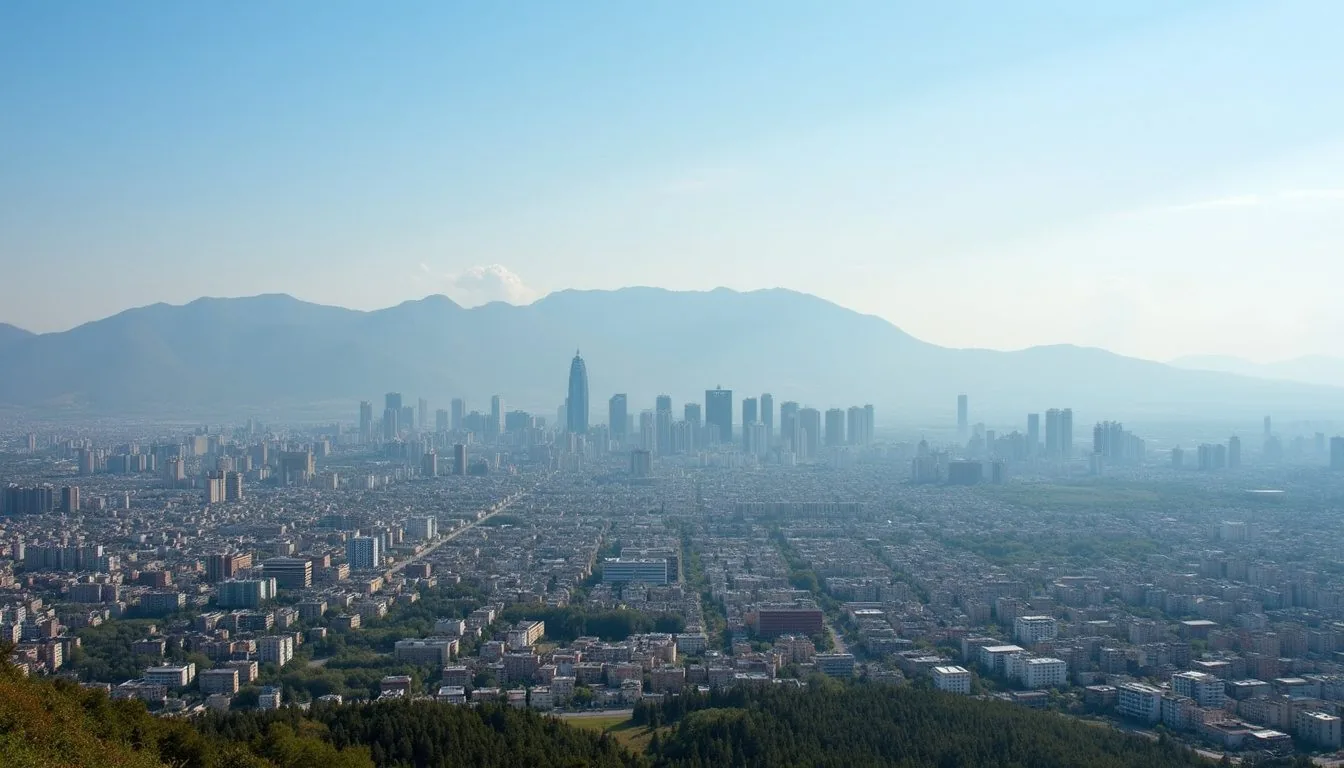
Kazakhstan has three cities with over one million people, more than a dozen significant regional centers, and approximately 87 cities in total across its vast 2.7-million-km² territory. As of 2026, the total urban population is approximately 11 million — about 55% of Kazakhstan’s 20 million residents. Here is a complete guide to Kazakhstan’s major cities: what they are like, what makes them worth visiting, and how they compare.
The Three Biggest Cities in Kazakhstan
1. Almaty — The Cultural Capital
Population: ~2.3 million (2026) Location: Far southeast, at the foot of the Tian Shan mountains Altitude: ~800–900m above sea level Airport code: ALA
Almaty (formerly Alma-Ata, from Kazakh алматы meaning “city of apple trees”) is Kazakhstan’s largest city, its main international gateway, and its undisputed cultural, commercial, and intellectual center. Despite losing official capital status to Astana in 1997, Almaty remains the economic heart of the country, generating roughly 20% of Kazakhstan’s GDP from about 10% of its population.
What defines Almaty:
- Mountains within 30 minutes. The Tian Shan mountains rise dramatically behind the city. Medeu high-altitude skating rink (1,691m), Shymbulak ski resort (2,500m), and Big Almaty Lake (2,510m) are all accessible on a half-day excursion
- Food and cafe culture. Kazakhstan’s best and most diverse restaurant scene, covering Russian, Korean, Uighur, Uzbek, European, Japanese, and contemporary Kazakh cuisine
- Zelyony (Green) Bazaar. The sensory heart of Almaty, a covered food market with dried fruits, horse meat, kurt (dried cheese), honey, and spices from across Central Asia
- Arts and nightlife. Museums, galleries, independent theaters, and a genuine live music scene
- Soviet and modern architecture. Neoclassical Soviet buildings alongside modern glass towers; Almaty’s tree-lined streets give it a distinctive, relatively leafy character
Best neighborhoods:
- Medeu district: Upmarket residential and restaurant area, closest to mountains
- Bostandyk: The main dining and cafe district
- Almaly: Central, the old Almaty core; Arbat pedestrian street
Best for: First-time visitors to Kazakhstan, food lovers, mountain trekkers, business travelers, anyone who wants a sophisticated urban base
For a complete visitor guide, see our Almaty city guide. If you are flying in, check our Almaty airport guide for transport options.
2. Astana — The Futuristic Capital
Population: ~1.3 million (2026) Location: North-central Kazakhstan, on the Ishim River Airport code: NQZ Note: Named Nur-Sultan 2019–2022; reverted to Astana in 2022
Astana is one of the most extraordinary cities in the world, a planned capital built essentially from nothing on the windswept Kazakh steppe since 1997. In under three decades, it has grown from a provincial Soviet city of 270,000 to a modern metropolis with a skyline of futuristic architecture commissioned from some of the world’s most celebrated architects: Norman Foster, Kisho Kurokawa, Manfredi Nicoletti, and others.
What defines Astana:
- The Left Bank: The planned government-and-showcase district across the Ishim River from the historic city. Wide boulevards, colossal buildings in bold geometric forms, and the iconic skyline that has become Kazakhstan’s international image
- Bayterek Tower. The city’s defining symbol, a 97m observation tower shaped like a tree holding a golden egg (a reference to a Kazakh folk legend). The observation deck has President Nazarbayev’s golden handprint, and visitors press their hand into it for good fortune
- Khan Shatyr. Norman Foster’s transparent tent structure, the world’s largest tent building. Inside you will find a full indoor beach resort with artificial sand, swimming facilities, a roller coaster, and countless restaurants. Used year-round as a refuge from Astana’s extreme winters (-35°C)
- Hazrat Sultan Mosque. The largest mosque in Central Asia, accommodating 10,000 worshippers
- National Museum of Kazakhstan. One of Central Asia’s largest museums at 74,000 m², with extraordinary Saka gold artifacts and comprehensive national history
Climate note. Astana has one of the most extreme urban climates in the world. Winters regularly hit -35°C to -40°C, and summers reach 35–40°C. The city functions throughout; it just requires serious winter gear.
Best for: Architecture enthusiasts, understanding modern Kazakhstan’s ambitions, the paradox of a planned city on a steppe
For complete information, see our Astana city guide. The Astana airport has modern facilities and easy transfers to the city center.
3. Shymkent — The Southern Gateway
Population: ~1.2 million (2026) Location: South Kazakhstan, 130km from the Uzbek border Airport code: CIT
Shymkent (Şymkent) is Kazakhstan’s third-largest city and the country’s southern hub. It has a distinctly different character from Almaty and Astana: warmer both climatically and culturally, more Kazakh-speaking, with a stronger Central Asian atmosphere that reflects its proximity to Uzbekistan and the ancient Silk Road corridor.
What defines Shymkent:
- Old Bazaar (Saraybazar). One of Kazakhstan’s most authentic and unspoiled markets, with produce, spices, household goods, textiles, and the street food of southern Kazakhstan
- Gateway to Turkestan. The UNESCO-listed Mausoleum of Khoja Ahmed Yasawi is 3 hours north; Shymkent is the usual base for this excursion
- Proximity to Uzbekistan. Tashkent is 130km away (about 2 hours by road). Samarkand, Bukhara, and the Silk Road cities are all reachable as part of a combined itinerary
- Warmer character. Shymkent’s population is predominantly ethnic Kazakh; Kazakh is the dominant language. The social culture is warmer and more traditional than northern cities
Best for: Silk Road itineraries, authentic market experiences, travelers combining Kazakhstan with Uzbekistan
Other Significant Cities of Kazakhstan
Karaganda (Qaraghandy)
Population: ~510,000 Location: Central Kazakhstan
Karaganda is Kazakhstan’s fourth-largest city, built on coal mining in the Soviet era and carrying a complex historical weight. The Karaganda region was one of the largest Soviet Gulag complexes; the Karlag (Karaganda Labor Camp) held up to 75,000 prisoners at its peak and processed approximately 1 million people between 1930 and 1959. The Dolinka memorial complex (45km south of the city) documents this history soberly and in detail. It is an important stop for anyone interested in Soviet history.
Modern Karaganda is a significant educational and industrial center, home to Karaganda Technical University and several research institutions. The city has an authentic, unpretentious character that showcase cities lack.
Notable: Birthplace of boxer Gennady Golovkin (GGG), two-time world middleweight champion.
Aktobe
Population: ~560,000 Location: Western Kazakhstan
The main city of western Kazakhstan, a petroleum industry services hub, chromium mining center, and transit point for travelers heading to or from Russia. Aktobe has limited tourist appeal but is the main urban service center for a vast western region. The surrounding steppe is genuinely empty. Driving north toward Russia or east toward Astana means hours of uninterrupted grassland.
Pavlodar
Population: ~340,000 Location: Northern Kazakhstan, on the Irtysh River
An industrial city on the Irtysh River with aluminum production, chemical manufacturing, and petroleum refining. The Irtysh riverfront has been developed as a pleasant urban space with promenades and parks. Pavlodar is the practical starting point for trips to Bayanaul National Park (100km south), a modest range of granite hills and lakes that feels dramatic after the surrounding flatness of the northern steppe.
Oskemen (Ust-Kamenogorsk)
Population: ~330,000 Location: Eastern Kazakhstan, at the edge of the Altai mountains
Oskemen is the gateway to East Kazakhstan: the Altai mountains, pine forests, and the most Siberian-character landscape in all of Kazakhstan. The city itself is industrial (titanium sponge, zinc, lead production), but the surrounding nature is exceptional. Lake Markakol (among Kazakhstan’s most pristine), Katon-Karagai National Park (the largest national park in Kazakhstan at 1.6 million hectares), and the Russian Altai border zone are among the finest wilderness areas in Central Asia.
Oskemen is also a cultural bridge point — the region has historical connections to both Kazakh nomadic culture and Siberian/Russian frontier culture.
Aktau
Population: ~200,000 Location: Caspian Sea coast, western Kazakhstan
Kazakhstan’s main Caspian Sea port and the base for exploring Mangystau, the most dramatic and least-visited region of Kazakhstan. The city itself was built as a Soviet planned settlement (buildings were numbered rather than given street names, a distinctive Soviet urban planning experiment) and sits on a bare limestone plateau above the Caspian.
Why visitors come to Aktau:
- Gateway to Mangystau desert landscapes: the Beket-Ata underground mosque, the Torysh Valley of Balls (naturally formed spherical concretions up to 4m diameter), Sherkala rock formation, the Ustyurt Plateau
- The Caspian promenade: Aktau has a pleasant beachfront
- Caspian ferry connections: Direct ferry services to Baku (Azerbaijan) and Turkmenbashi (Turkmenistan) — essential links on the Trans-Caspian International Transport Route for overland travelers
Turkestan
Population: ~200,000 Location: Southern Kazakhstan, in the Turkestan Oblast
Turkestan is Kazakhstan’s most historically significant city, a UNESCO World Heritage Site anchored by the Mausoleum of Khoja Ahmed Yasawi (1390s, commissioned by Timur/Tamerlane). The city has received massive state investment since 2018 and is being developed as a major Islamic pilgrimage and cultural tourism destination.
The Yasawi Mausoleum’s vast turquoise dome is one of the finest examples of Timurid architecture anywhere, in the same category as the Shah-i-Zinda in Samarkand. A new archaeological complex (Aziret Sultan) surrounding the mausoleum has been developed with museums, reconstructed ancient buildings, and visitor facilities.
Also worth visiting near Turkestan: The ruined cities of Sauran (12th–17th century city walls visible from a distance) and Otrar (where Genghis Khan besieged the city in 1218–1219, effectively launching the Mongol invasion of Central Asia).
Semey (Semipalatinsk)
Population: ~340,000 Location: East Kazakhstan, on the Irtysh River
Semey carries a dual legacy: birthplace of Abai Qunanbaiuly (1845–1904), Kazakhstan’s greatest poet and cultural philosopher, and location of the Soviet nuclear test site (the Polygon) where 456 nuclear tests were conducted between 1949 and 1989, including the first Soviet atomic bomb test.
The city has the Abai State University and cultural institutions dedicated to his work. The nuclear testing legacy is documented in a local museum and remains visible in the landscape 150km from the city: a moonscape of craters and contaminated zones. The legacy continues in elevated cancer rates and birth defects affecting communities near the test site for generations.
Atyrau
Population: ~280,000 Location: Western Kazakhstan, where the Ural River meets the Caspian Sea
Atyrau is the oil capital of Kazakhstan and the administrative center for the country’s petroleum industry. It is home to the offices of TengizChevroil, the operator of the massive Tengiz and Kashagan oil fields. Oil wealth is visible: Atyrau has a higher-than-average standard of living, with modern infrastructure and international business hotels.
The city is notable for straddling the Europe-Asia boundary. The Ural River runs through the city, with the east bank technically in Asia and the west bank in Europe. Locals joke that you can cross continents in five minutes.
City Comparison for Travelers
| City | Character | Best For | Skip If |
|---|---|---|---|
| Almaty | Cosmopolitan, mountain access | First visit, food, nature, nightlife | You want purely traditional |
| Astana | Futuristic, extreme climate | Architecture, modern Kazakhstan | You prefer organic, lived-in cities |
| Shymkent | Southern, traditional, warm | Silk Road access, authentic bazaar | You want mountain scenery |
| Karaganda | Industrial, historically heavy | Soviet/Gulag history, authentic | Tourism infrastructure is important |
| Turkestan | Historical, pilgrimage city | UNESCO architecture, Silk Road | You prefer nature to built heritage |
| Aktau | Remote, Caspian coast | Mangystau access, unusual travel | You want easy, comfortable tourism |
| Semey | Complex dual legacy | Abai heritage, nuclear history | You’re looking for conventional tourism |
| Oskemen | Altai gateway | East Kazakhstan nature | You stay in cities |
Kazakhstan Cities by Population (2026)
| Rank | City | Population |
|---|---|---|
| 1 | Almaty | ~2,300,000 |
| 2 | Astana | ~1,300,000 |
| 3 | Shymkent | ~1,200,000 |
| 4 | Aktobe | ~560,000 |
| 5 | Karaganda | ~510,000 |
| 6 | Taraz | ~420,000 |
| 7 | Pavlodar | ~340,000 |
| 8 | Semey | ~340,000 |
| 9 | Oskemen | ~330,000 |
| 10 | Atyrau | ~280,000 |
| 11 | Aktau | ~200,000 |
| 12 | Turkestan | ~200,000 |
Frequently Asked Questions
- What is the largest city in Kazakhstan?
- Almaty is Kazakhstan's largest city with a population of approximately 2.2 million. Located in the far southeast at the foot of the Tian Shan mountains, Almaty is Kazakhstan's commercial, cultural, and international hub. Despite Astana becoming the capital in 1997, Almaty generates roughly 20% of the country's GDP.
- What is the capital city of Kazakhstan?
- Astana is the capital of Kazakhstan. The capital was moved from Almaty to Astana (then called Akmola) in 1997. The city was renamed Nur-Sultan in 2019 after President Nazarbayev, then renamed back to Astana in 2022 after he resigned. As of 2026, Astana has a population of approximately 1.3 million and is known for its extraordinary futuristic architecture.
- How many cities are in Kazakhstan?
- Kazakhstan has approximately 87 officially designated cities. The three largest (over one million population) are Almaty, Astana, and Shymkent. Other significant cities include Karaganda, Aktobe, Taraz, Pavlodar, Semey, Oskemen, Atyrau, Aktau, and Turkestan. Many smaller cities are industrial centers with limited tourist infrastructure.
- Is Almaty worth visiting?
- Yes — Almaty is one of the best cities in Central Asia for visitors. It offers excellent food and café culture, mountains within 30 minutes (Medeu, Shymbulak ski resort, Big Almaty Lake), the extraordinary Zelyony Bazaar, good international hotel options, and access to Charyn Canyon and Kolsai Lakes for day trips. Three to four days is ideal; most visitors find Almaty significantly more rewarding for general travel than Astana.
- What is Shymkent known for?
- Shymkent is Kazakhstan's third-largest city and the southern gateway to the Silk Road. It is the usual base for visiting Turkestan (home to the UNESCO-listed Yasawi Mausoleum, 3 hours north), has one of Kazakhstan's most authentic traditional bazaars, and is close to the Uzbek border (Tashkent is 130km away). It has a warmer, more distinctly Central Asian character than northern Kazakhstan cities.
- Which Kazakhstan city is best for first-time visitors?
- Almaty is the best starting point for most first-time visitors. It has the best food scene, the most accessible mountain landscapes (Medeu, Shymbulak, Big Almaty Lake within 30 minutes), the widest range of accommodation, and the most international connections. A typical first trip includes 3–4 days in Almaty, a day trip to Charyn Canyon, and a flight to Astana for 1–2 days of futuristic architecture.
More Stories
travel
12 Best Day Trips from Almaty: Complete Guide 2026
Best Almaty day trips — Charyn Canyon, Big Almaty Lake, Kolsai Lakes, Tamgaly petroglyphs, Altyn-Emel. Distances, costs, and how to get there.
travel
Almaty Nightlife: Best Bars, Clubs & Live Music
Almaty nightlife guide — best bars, clubs, live music, karaoke, rooftop venues, costs, safety tips, and where locals actually go. Complete 2026 guide.
travel
Almaty, Kazakhstan: Complete Travel Guide (2026)
Almaty travel guide — top attractions, neighborhoods, restaurants, hotels, transport, day trips, nightlife, and a 3-day itinerary for visitors.