Is Kazakhstan in Russia? No — Here's Why People Get Confused
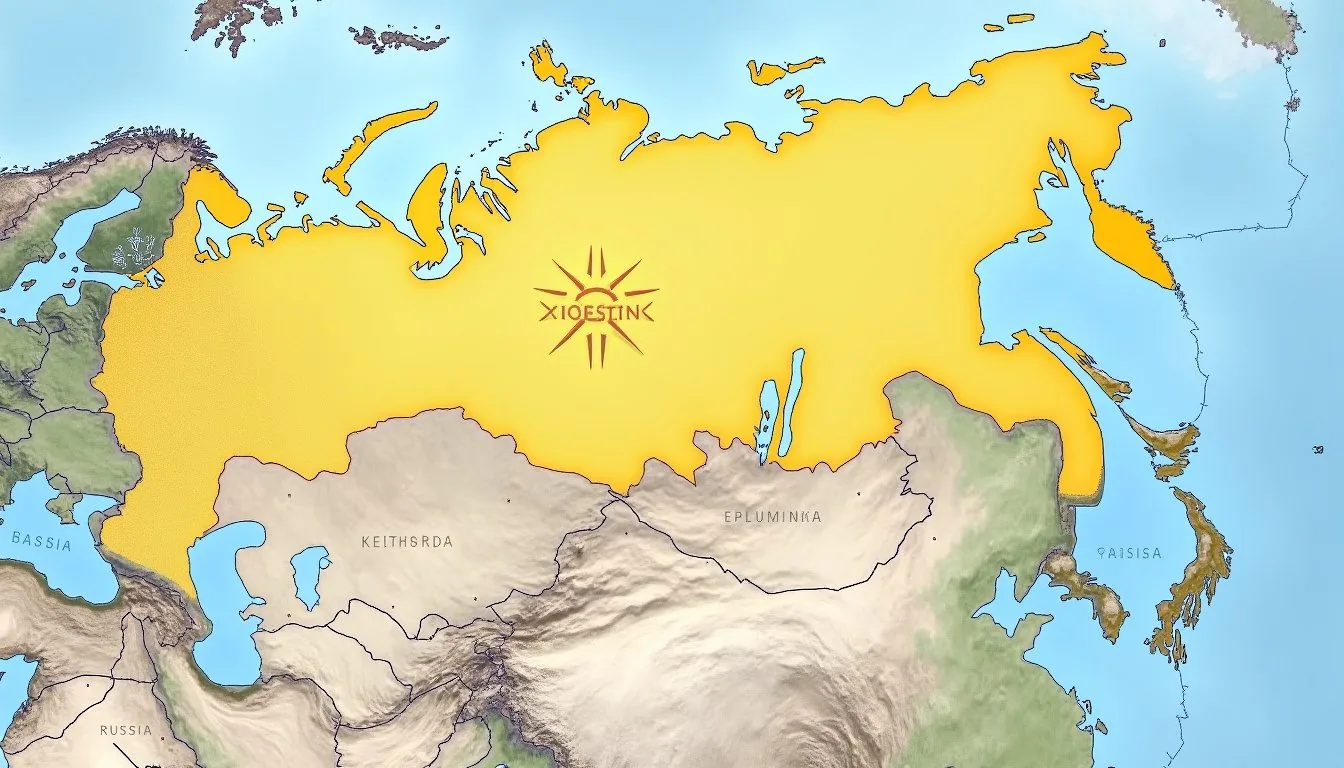
Kazakhstan is not in Russia. Kazakhstan is an independent country — a sovereign nation that has been separate from Russia since December 16, 1991, when the Soviet Union collapsed. It has its own government, its own currency, its own president, its own military, and its own foreign policy.
This is one of the most searched questions about Kazakhstan, and the confusion is completely understandable. Kazakhstan was part of the Soviet Union for 70 years, shares a 7,600 km border with Russia (the world’s longest land border between two countries), and Russian is still widely spoken there. But Kazakhstan is as independent as France is from Germany.
Kazakhstan Is a Separate Country: The Key Facts
| Detail | Kazakhstan | Russia |
|---|---|---|
| Status | Independent sovereign state | Independent sovereign state |
| Independence | December 16, 1991 | Successor state of Soviet Union |
| Capital | Astana | Moscow |
| President | Kassym-Jomart Tokayev | Vladimir Putin |
| Currency | Tenge (KZT) | Ruble (RUB) |
| Area | 2,724,900 km² | 17,098,242 km² |
| Population | 19.8 million | 144 million |
| UN Member | Since 1992 | Yes |
| Passport | Kazakh passport | Russian passport |
Kazakhstan and Russia are two different countries that share a border — in the same way that the United States and Canada are two different countries that share a border.
Why Do People Think Kazakhstan Is Part of Russia?
This confusion comes from several historical and cultural factors:
1. The Soviet Union (1920–1991)
Kazakhstan was a Soviet Socialist Republic (the Kazakh SSR) within the USSR from 1920 to 1991. During this 70-year period, Kazakhstan was governed from Moscow, and decisions about its economy, language policy, industry, and population were made centrally by the Soviet government.
During the Soviet era, millions of Russians and other Slavic peoples were resettled in Kazakhstan — particularly during Stalin’s collectivization campaigns (1930s) and Khrushchev’s Virgin Lands campaign (1950s–60s). This created a large Russian-speaking population in northern Kazakhstan that persists today.
2. Russian Language
Even after independence, Russian remained (and still is) an important language in Kazakhstan. In business, government, and daily life — especially in northern cities like Nur-Sultan (Astana) and Petropavlovsk — Russian is the primary working language for many people.
Visitors who speak Russian will have no trouble communicating throughout Kazakhstan. This can make Kazakhstan feel “like Russia” to visitors who don’t know the history.
3. Cultural Overlap
Decades of shared Soviet culture created overlap in food, architecture, bureaucratic style, and popular culture. Soviet-era apartment blocks look the same in Almaty and Moscow. Some Soviet-era holidays are celebrated in both countries. Soviet films and music remain popular in both.
4. Geographic Proximity
On many simplified world maps, Kazakhstan is shown in the same color as Russia, or the border between them is not clearly marked. The two countries are adjacent on the map, and Kazakhstan is sometimes placed in the “Russia and neighboring countries” category in textbooks.
5. Borat (The Movie)
Sacha Baron Cohen’s 2006 film “Borat” portrayed Kazakhstan as a bizarre, backward country — but many viewers had no frame of reference and assumed the descriptions were meant to be Russia or a Russian territory. The film was actually filmed in Romania and the US.
Kazakhstan’s Relationship With Russia: Complex, Not Simple
Although Kazakhstan is independent, its relationship with Russia is multidimensional and important to understand:
The Economy
Kazakhstan is a significant economic partner for Russia. Trade between the two countries is substantial. The Eurasian Economic Union (EAEU), which includes both Russia and Kazakhstan, creates a free trade zone between member states.
Language and Culture
The 2021 census showed that approximately 15–20% of Kazakhstan’s population is ethnic Russian, primarily in the northern regions. Russian is constitutionally recognized as a language of “inter-ethnic communication” in Kazakhstan.
Military and Security
Kazakhstan is a member of the Collective Security Treaty Organization (CSTO), a security alliance led by Russia. In January 2022, CSTO forces (including Russian troops) were deployed to Kazakhstan at the request of Kazakh President Tokayev during domestic unrest.
Kazakhstan’s Independent Foreign Policy
Despite close ties, Kazakhstan has consistently maintained an independent foreign policy. Kazakhstan:
- Abstained from UN votes condemning Russia’s 2022 invasion of Ukraine
- But also refused to recognize Russia’s annexation of Crimea and consistently stated it would not help Russia evade Western sanctions
- Has been expanding economic ties with the EU, China, Turkey, and the United States
- Has actively sought foreign investment from non-Russian sources
President Tokayev publicly stated in 2022 that Kazakhstan would not help Russia evade international sanctions and would not recognize the “quasi-state republics” in eastern Ukraine.
Kazakhstan’s Geography: Where Is It Actually?
Kazakhstan is located in Central Asia and parts of Eastern Europe (a small western portion of the country is west of the Ural River, which is traditionally considered the Europe-Asia boundary).
It is the 9th largest country in the world by area at 2,724,900 km² — roughly the size of Western Europe. It is the world’s largest landlocked country.
Kazakhstan borders:
- Russia — 7,644 km (north)
- China — 1,783 km (east)
- Kyrgyzstan — 1,212 km (southeast)
- Uzbekistan — 2,330 km (south)
- Turkmenistan — 413 km (south)
- Caspian Sea — 1,894 km (west)
The country stretches 3,000 km from west to east and 1,700 km from north to south. There are five time zones within Kazakhstan.
Kazakhstan’s Independence: A Brief History
1991: The Soviet Union collapses. On December 16, 1991 — the last of the Soviet republics to do so — Kazakhstan declares independence. Nursultan Nazarbayev becomes the first president.
1992: Kazakhstan joins the United Nations as a sovereign member state.
1993: Kazakhstan voluntarily gives up the nuclear weapons inherited from the Soviet Union — the third-largest nuclear arsenal in the world at the time. This is considered one of the most significant nuclear disarmament acts in history.
1995: A new constitution is adopted, establishing the framework for Kazakhstan’s presidential republic.
1997: The capital is moved from Almaty to Astana (then called Akmola, later Nur-Sultan from 2019 to 2022, then renamed back to Astana).
2005–2022: Kazakhstan experiences significant economic growth driven by oil exports, becoming the wealthiest economy in Central Asia.
2022: President Nazarbayev, who had held power since 1991, formally transfers full authority to Kassym-Jomart Tokayev, who had been president since 2019.
Is Kazakhstan Safe to Visit?
Yes. Kazakhstan is considered one of the safest countries in Central Asia for tourists. Violent crime targeting foreigners is extremely rare, cities are clean and orderly, and tourist infrastructure (hotels, transport, food) has improved significantly in the 2010s and 2020s.
The country is not involved in any active military conflict, and the 2022 unrest was quickly suppressed.
See our detailed guide: Is Kazakhstan safe for travel?
Do You Need a Visa to Visit Kazakhstan?
Citizens of many countries — including the US, UK, EU nations, Australia, and more — can visit Kazakhstan visa-free for up to 30 days. This is separate from Russia’s visa requirements, as the two countries have entirely independent visa policies.
See our complete Kazakhstan visa-free countries guide for the full list.
Frequently Asked Questions
- Is Kazakhstan part of Russia?
- No. Kazakhstan is an independent country that has been separate from Russia since December 16, 1991, when the Soviet Union collapsed. It has its own government, currency, military, and foreign policy. Kazakhstan and Russia are neighboring countries, not the same country.
- Was Kazakhstan ever part of Russia?
- Kazakhstan was part of the Russian Empire (absorbed in the 18th–19th centuries) and then the Soviet Union (1920–1991). Since 1991, it has been a fully independent sovereign state. It was never part of the modern Russian Federation.
- Do people in Kazakhstan speak Russian?
- Yes, Russian is widely spoken in Kazakhstan, especially in northern cities and in business and government contexts. It is constitutionally recognized as a language of inter-ethnic communication. However, Kazakh is the state language, and its use has been expanding since independence.
- What is the relationship between Kazakhstan and Russia?
- Kazakhstan and Russia are neighbors with close economic, cultural, and historical ties. They are both members of the Eurasian Economic Union (EAEU) and the Collective Security Treaty Organization (CSTO). However, Kazakhstan maintains an independent foreign policy and has distanced itself from Russia on key issues like the 2022 invasion of Ukraine.
- Is Kazakhstan in Europe or Asia?
- Kazakhstan is primarily in Asia, but a small western portion of the country (west of the Ural River) is geographically in Europe. Kazakhstan is most commonly classified as a Central Asian country. Its capital Astana is located in Asia.
- How big is Kazakhstan compared to Russia?
- Russia is about 6 times larger than Kazakhstan. Russia covers 17,098,242 km² — the largest country in the world. Kazakhstan covers 2,724,900 km² — the 9th largest country in the world. Kazakhstan is still enormous: larger than all of Western Europe.
More Stories
facts
Stan Countries: All 7 Nations Ending in -Stan Explained
Complete guide to all 7 stan countries — Kazakhstan, Uzbekistan, Tajikistan, Turkmenistan, Kyrgyzstan, Afghanistan, Pakistan with capitals and key facts.
facts
Kazakhstan History Timeline: From Steppe Empires to Independence
Explore Kazakhstan's history timeline from ancient nomads and the Silk Road to the Kazakh Khanate, Soviet rule, and modern independence.
facts
What Is Kazakhstan Famous For? 15 Things That Define the Country
What is Kazakhstan famous for? From the world's first spaceport and nomadic culture to horse meat cuisine and vast steppes — 15 defining features explained.