Traditional Kazakh Clothing: Complete Guide to National Dress
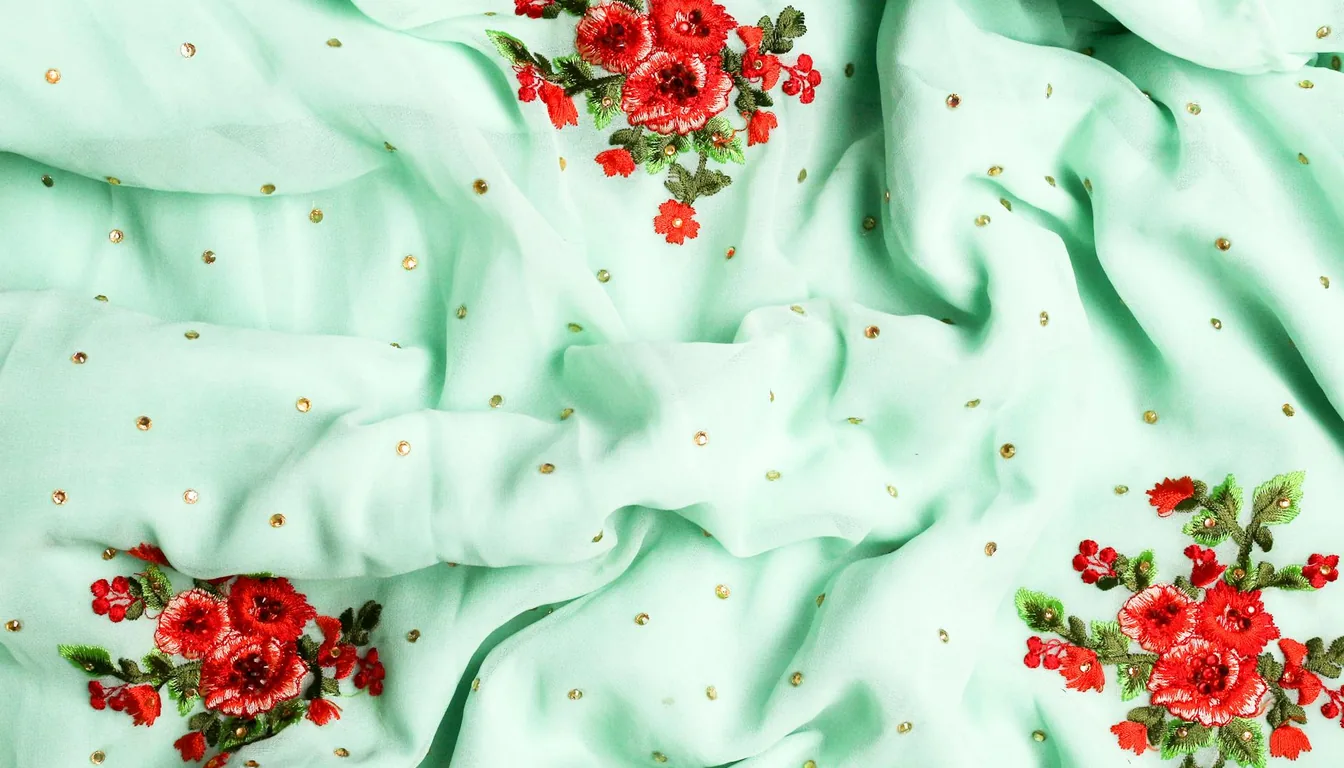
Traditional Kazakh clothing evolved over centuries of nomadic life on the Central Asian steppe. Every garment was designed for the climate and lifestyle of nomadic herders: warm enough for harsh winters, durable enough for life on horseback, and portable enough to pack into a yurt. Today traditional Kazakh dress is worn at weddings, national holidays like Nauryz, and cultural events — and has seen a significant revival since independence in 1991.
Core Elements of Traditional Kazakh Men’s Clothing
Chapan (Шапан) — The National Robe
The chapan is the most iconic piece of Kazakh men’s clothing. It is a long, loose-fitting robe worn over regular clothes, fastened at the waist with a belt or left open. The chapan:
- Length: Reaches the knees or mid-calf
- Material: Traditionally made from wool felt, silk, or velvet; lined with cotton or fur for winter versions
- Decoration: Embroidered at the collar, cuffs, and hem with traditional Kazakh patterns — typically swirling ram’s horn motifs (koshkar muiz) and geometric designs in contrasting colors
- Colors: Historically, dark blue, dark green, brown, and black for everyday use; brighter colors (red, burgundy, gold) for celebrations
- Significance: Gifting a chapan is a major gesture of respect in Kazakh culture — it is given to honored guests, elders, and at important ceremonies
A high-quality embroidered chapan for a wedding or ceremony costs $200–500+ in Kazakhstan. Mass-produced tourist versions start at $50–80.
Tymak (Тымақ) — Winter Hat
The tymak is the traditional Kazakh winter hat for men. It has a distinctive four-pointed shape with flaps that can be worn up or folded down to cover the ears and neck. Construction:
- Outer material: Wool felt or sheepskin
- Inner lining: Fur (fox, rabbit, or lambskin)
- Color: Usually dark (black, dark brown, dark blue) with decorative trim
- Function: Designed for -30°C to -40°C steppe winters — genuinely effective cold-weather gear, not just decorative
The tymak was the everyday winter hat of steppe nomads. Today it is primarily ceremonial, though in northern Kazakhstan (Kostanay, Petropavl) older men still wear versions of it in winter.
Kalpak (Қалпақ) — Felt Hat
The kalpak is a tall, conical felt hat worn across Central Asia by Kazakh, Kyrgyz, and other Turkic peoples. The Kazakh kalpak is typically:
- White or off-white felt
- Tall and slightly tapered at the top
- Sometimes with a black rim or decorative trim
- Lighter and more breathable than the tymak — worn in warmer seasons
The white kalpak appears on the Kyrgyz national flag and is more associated with Kyrgyz culture today, but was historically common across Kazakhstan.
Beshmet (Бешмет) — Inner Robe
The beshmet is a fitted inner garment worn under the chapan. It is lighter than the chapan and more tailored, with a straight collar and buttons or loops at the front. In warmer months, the beshmet alone (without the chapan) was appropriate dress.
Belt (Белдік, Beldik)
The Kazakh warrior’s belt was a significant status symbol. Traditional belts were made from leather and decorated with silver plaques, sometimes studded with semi-precious stones. The quality and decoration of a man’s belt indicated his wealth and social standing. Ornamental belts are still made by craftspeople in Kazakhstan today.
Core Elements of Traditional Kazakh Women’s Clothing
Koylek (Көйлек) — Base Dress
The koylek is a long, loose-fitting dress worn as the base garment. Traditional versions were made from cotton, silk, or fine wool and fell to the ankles. They featured:
- Long sleeves
- A slight flare at the hem
- Embroidered cuffs and collar
- Colors varied by age and occasion — bright red and orange for young women, more muted tones for older women
Kamshat Bork / Saukele — Bridal Headdress
The saukele (сәукеле) is the most spectacular piece of Kazakh women’s clothing — a tall, conical headdress worn by brides on their wedding day. It is:
- Height: 60–75 cm tall
- Construction: A stiff conical frame covered in red or white velvet, decorated with gold embroidery, silver coins, corals, and semi-precious stones
- Hanging elements: Long strands of beads, coins, and decorative pendants (jeleke) hang down from the sides to the waist
- Weight: A full ceremonial saukele can weigh 3–5 kg
- Cost: A high-quality traditional saukele costs $500–3,000+
The saukele was one of the most expensive items a family could own. Its quality signaled the bride’s family status. After the wedding, it was kept as a family heirloom.
Kimeshek (Кимешек) — Married Woman’s Headdress
The kimeshek is the head covering worn by married Kazakh women — essentially a hood-like garment that covers the head, neck, and shoulders. It was mandatory for married women in traditional society. The kimeshek:
- Material: White cotton or linen (base) with embroidered edges
- Shape: A hood that drapes over the shoulders
- Embroidery: The visible border was richly embroidered in red, black, and gold thread
- Significance: The style and quality of embroidery identified the woman’s tribal affiliation and regional origin
Zhegde (Жегде) — Women’s Outer Robe
Similar in concept to the male chapan, the zhegde is a women’s outer robe, typically more fitted and decorated with more intricate embroidery. Women’s zhegde featured:
- More elaborate color combinations
- Fitted bodice with a flared skirt section
- Embroidery patterns that varied by region and tribal group
- Fur trim at the hem and cuffs for winter versions
Traditional Kazakh Embroidery (Ою-Орнек)
Kazakh embroidery is a defining visual element of traditional dress. Patterns are not purely decorative — each motif carries meaning rooted in nomadic life:
| Pattern | Kazakh Name | Meaning |
|---|---|---|
| Ram’s horns | Koshkar muiz | Strength, prosperity |
| Curved horns | Muiiz | Protection, connection to nature |
| Water | Su | Life, flow, continuity |
| Fire | Ot | Hearth, family warmth |
| Birds in flight | Kus | Freedom |
| Lattice | Kerege koz | Yurt structure, home |
Colors also carry meaning: red = joy and celebration; blue = sky and freedom; white = purity; gold = prosperity.
Traditional embroidery was done by women and was a core skill passed from mother to daughter. A woman’s needlework was a measure of her character and capability.
Regional Variations in Kazakh Clothing
Kazakhstan’s three main historic regions — the Great Zhuz (south), Middle Zhuz (center/east), and Little Zhuz (west) — had distinct embroidery styles, hat shapes, and garment cuts:
Southern Kazakhstan (Great Zhuz): More Uzbek and Persian influence — greater use of silk, more intricate embroidery, brighter colors
Central and Eastern Kazakhstan (Middle Zhuz): More conservative nomadic aesthetic — emphasis on wool, felt, and functionality; muted colors
Western Kazakhstan (Little Zhuz): Some influence from Bashkir and Tatar traditions; distinct hat styles with specific trim patterns
Modern Kazakh Fashion and National Dress Revival
Since the 1990s, there has been a sustained revival of interest in Kazakh traditional clothing, driven by:
- National identity — Post-Soviet nations across Central Asia have actively promoted traditional dress as a symbol of cultural independence
- Nauryz — The spring festival (March 22) has become a massive occasion for wearing traditional dress, driving annual demand for chapans and traditional outfits
- Designer interpretations — Almaty-based designers like Yerlan Abenov and Dana Zhaksybekova have created modern luxury collections that incorporate Kazakh embroidery motifs into contemporary fashion
- School and state functions — Traditional dress is commonly worn at school performances, state events, and official ceremonies
You can buy traditional Kazakh clothing at:
- Green Bazaar, Almaty — Mass market chapans, hats, and souvenirs. Prices: $30–150
- Keruen Shopping Center, Almaty — Mix of traditional and designer pieces
- Artisans and craft fairs — Higher quality handmade pieces at Nauryz fairs and cultural markets
- Online (Kaspi.kz) — Wide range of machine-made traditional pieces with nationwide delivery
Frequently Asked Questions
- What is the traditional Kazakh clothing called?
- The main traditional Kazakh garments are: the chapan (long embroidered robe for men), tymak (fur-lined winter hat), koylek (women's base dress), saukele (tall conical bridal headdress), and kimeshek (married women's head covering). The chapan is the most iconic and widely recognized piece of Kazakh national dress.
- What does a Kazakh chapan look like?
- A Kazakh chapan is a long, loose-fitting robe that reaches the knees or mid-calf. It is typically made from wool, silk, or velvet and decorated with embroidery at the collar, cuffs, and hem using traditional patterns — most commonly the ram's horn (koshkar muiz) motif. Ceremonial chapans use bright colors like red, burgundy, and gold. It is the most important garment in Kazakh culture and is given as a mark of honor.
- When do Kazakhs wear traditional clothing?
- Traditional Kazakh clothing is worn at Nauryz (spring festival on March 22), national holidays, weddings, cultural performances, and state ceremonies. It is not common everyday street dress in cities. In rural areas and during major festivals, you will see chapans and traditional women's dress much more frequently.
- What is the Kazakh bridal headdress?
- The saukele is the Kazakh bridal headdress — a tall conical hat (60–75 cm high) covered in velvet and decorated with gold embroidery, silver coins, corals, and gemstones. Long decorative pendants (jeleke) hang from the sides. A high-quality saukele is one of the most valuable items in Kazakh traditional culture and can cost $500–3,000 or more.
- Where can I buy traditional Kazakh clothing?
- Traditional Kazakh clothing is available at the Green Bazaar in Almaty (budget range, $30–150), Keruen Shopping Center (mid-range), artisan fairs during Nauryz, and online at Kaspi.kz. For high-quality handmade embroidered pieces, look for artisans at cultural markets or contact Almaty-based traditional clothing workshops directly.
More Stories
culture
Kazakh Wedding Traditions: Complete Guide to Kazakh Marriages
Kazakh wedding traditions — bride price (qalyn mal), matchmaking, the wedding ceremony, kelin saluu, traditional games, food, and what to expect as a guest.
culture
Culture of Kazakhstan: How Nomadic Heritage Still Shapes the Country
Explore the culture of Kazakhstan through hospitality, language, music, religion, nomadic heritage, Soviet influence, and modern national identity.
culture
Kazakhstan Traditions: 12 Customs That Still Shape Daily Life
Discover the most important Kazakhstan traditions, from hospitality and tea customs to Nauryz, wedding rituals, horse culture, and respect for elders.