Kazakh Wedding Traditions: Complete Guide to Kazakh Marriages
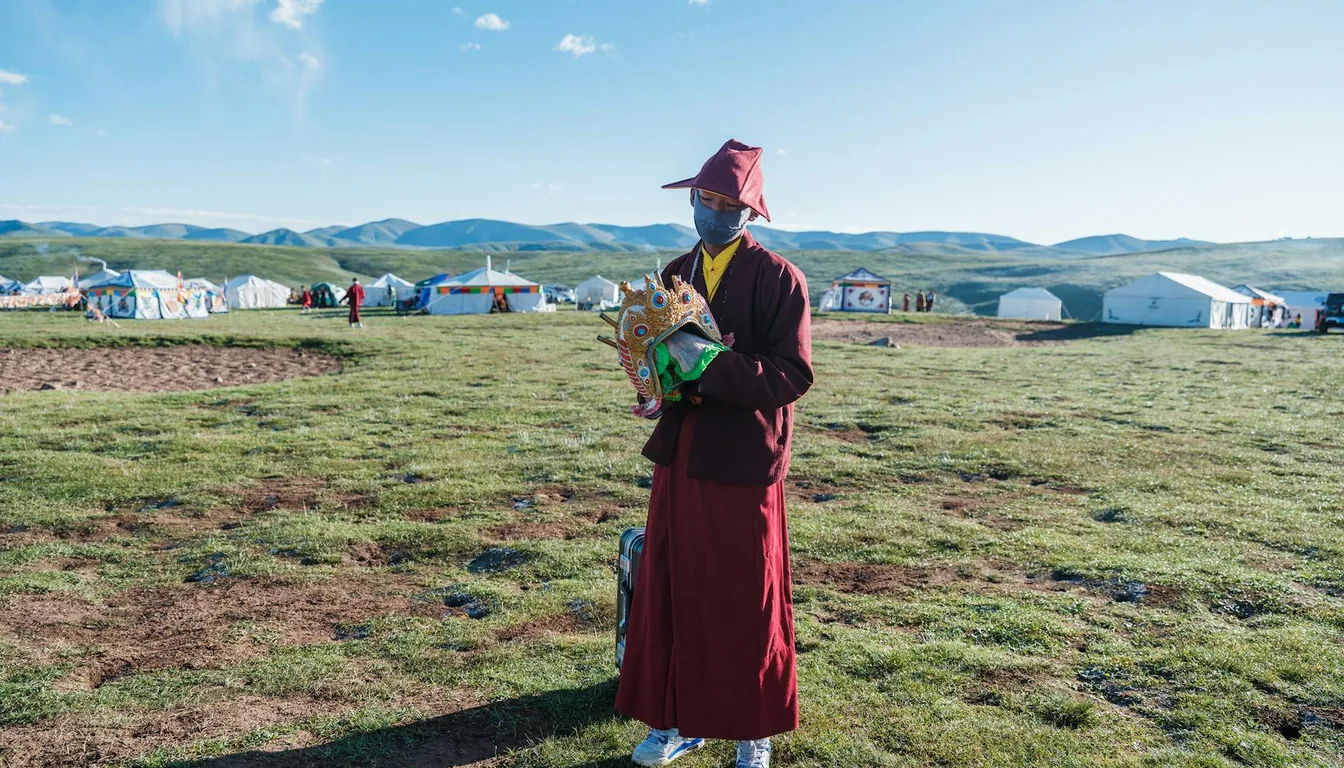
A Kazakh wedding is one of the most elaborate and meaningful celebrations in Central Asian culture — a multi-day series of rituals, ceremonies, and celebrations involving both families, the entire extended community, and traditions that stretch back centuries. Modern Kazakh weddings blend nomadic customs with contemporary elements, but the core ritual structure remains recognizable from medieval accounts of Kazakh steppe life.
The Wedding Is Two Events
A traditional Kazakh wedding has two separate ceremonies:
-
Nikah (Неке қию): The religious ceremony, performed by a mullah (Islamic clergyman), formalizing the marriage religiously and legally. Typically a smaller, family-only event.
-
Toy (той): The wedding celebration — the big party. This is what most people mean by “Kazakh wedding.” It can last 2–3 days and involve hundreds of guests.
Both are preceded by weeks or months of pre-wedding ceremonies and negotiations.
Before the Wedding: Key Pre-Wedding Rituals
Matchmaking (Құда түсу, Quda tusu)
Traditional Kazakh marriage began not with the couple but with the families. The groom’s family sent representatives (qudalar, envoys) to the bride’s family home to propose. This was a formal diplomatic visit with specific protocols:
- The lead envoy (typically an elder) formally presented the proposal
- The bride’s family consulted among themselves
- Multiple visits might be required before agreement was reached
- If accepted, the two families became quda (related through marriage) — a lasting bond with its own obligations and respect
The quda relationship was one of the most important social bonds in nomadic society — qudalar had mutual responsibilities for generations.
Bride Price (Қалың мал, Qalyn Mal)
Once families agreed to the marriage, the groom’s family paid qalyn mal — bride price. Traditionally this was livestock: horses, cattle, and sheep in numbers that reflected both family wealth and the value placed on the bride.
Qalyn mal was not “buying” the bride — it was a gift to the bride’s family acknowledging the loss of their daughter and establishing the social and economic relationship between families. The bride’s family would provide a comparable dowry (жасау, jasau) including household goods, clothing, and often livestock.
Modern qalyn mal continues symbolically — amounts negotiated between families in cash or goods. The tradition persists in rural areas more than in cities.
Betrothal Ceremony (Сырға салу, Syrga salu)
The formal engagement. The groom’s family brought gifts to the bride’s home. The bride received earrings from the groom’s mother — symbolizing acceptance into the future family. The word “syrga salу” literally means “placing earrings.”
A celebration followed, with food, music, and toasts establishing the families’ relationship.
Girl’s Farewell Party (Qyz Uzatu / Kelin Shygaruu)
The day before or day of the wedding, the bride’s family holds a farewell ceremony. The bride says goodbye to her family home, parents, and girlhood. Traditionally accompanied by:
- The bride’s lament song (жоқтау, joqtau) — the bride’s expression of sadness at leaving her family
- Female relatives and friends accompanying the bride with gifts
- Emotional family farewells that can involve genuine tears
- Music and food in the bride’s family home
The Wedding Day: Ceremony and Rituals
Kelin Saluu (Bringing the Bride Into the New Home)
The central ritual of the Kazakh wedding — the formal introduction of the kelin (bride/daughter-in-law) to the groom’s household.
Key elements:
- The bride arrives at the groom’s home (or wedding venue) veiled
- She is formally welcomed by the groom’s mother with a white cloth (aq zhaulyk)
- Bet ашар (Betashar): The veil-lifting ceremony — the most important single ritual. A respected community elder or musician performs the “betashar” song, introducing the bride to each member of the groom’s family in order of seniority. The bride bows to each person named. At the end, the veil is lifted.
The betashar song is both instruction and introduction — it explains the bride’s new responsibilities and relationships. It can be a deeply emotional moment.
The Feast (Dastarkhan)
Kazakh weddings are famous for their food:
Traditional wedding foods:
- Besbarmak: The centerpiece dish — boiled meat (traditionally horse, sometimes lamb) over flat noodles, served from a large shared platter. The name means “five fingers” — traditionally eaten by hand.
- Kazy and Karta: Horse sausage and horse intestine sausage — prestigious dishes reserved for celebrations
- Baursak: Deep-fried bread puffs — essential at every celebration
- Shelpek: Flat fried breads
- Samsa: Savory pastries
- Pilaf (Pilav): Central Asian rice dish
- Koumiss: Fermented mare’s milk — traditional at summer weddings
- Shubat: Fermented camel’s milk
Modern wedding menus include a full spread of salads, hot dishes, desserts, and often non-Kazakh dishes alongside traditional ones.
Wedding Entertainment
Live music: Traditional Kazakh weddings feature live musicians — typically dombra players and folk singers. The toy basy (feast conductor) manages the flow of the celebration, calling speakers, announcing music, and managing toasts.
Toasts: Guests offer elaborate toasts (batalar — blessings) to the couple, their families, their future children. Senior guests and elders are expected to speak; their words carry weight.
Aitys (improvisational poetry duel): At elaborate weddings, professional akyns may compete in verbal sparring — improvising clever, witty, sometimes pointed verses to each other. Crowds respond to the best lines.
Traditional games: At outdoor celebrations, kures (wrestling), baiga (horse racing), and kokpar (horseback goat-carcass game) may be organized.
Music and dancing: Modern Kazakh weddings combine traditional folk music with contemporary pop. Dancing is universal.
Modern Kazakh Weddings
Contemporary Kazakh weddings, especially in Almaty and Astana, look different from village celebrations:
- Venues: Dedicated wedding halls (toygana) designed specifically for large celebrations
- Guest counts: 200–500+ guests is normal for middle-class families; prestigious families may host 1,000+
- Duration: Typically one very long evening event (6 hours+) rather than 3 days
- Dress: Groom in suit; bride in white Western-style dress for the main event, traditional Kazakh dress for the betashar portion
- Photography: Elaborate wedding photography and video packages
- Cost: A wedding for 300 guests in Almaty costs roughly 3–5 million KZT ($6,000–10,000) — a significant expense in a country with ~$700 average monthly salary
The core rituals (betashar, besbarmak, family blessings) persist even in urban weddings, embedded within a more contemporary format.
Attending a Kazakh Wedding as a Guest
If you’re fortunate enough to receive an invitation to a Kazakh wedding:
Dress: Smart formal — suit for men, dress or formal outfit for women. Bright colors are fine and welcome. Avoid all-black (associated with mourning).
Gift: Cash gifts are standard in modern Kazakhstan. The amount varies by relationship; for a friend of a friend, 20,000–50,000 KZT ($40–100) is typical.
Food: You will be expected to eat — refusing food is impolite. Try everything; portions of honor like besbarmak are offered to guests.
Toasts: If called to toast, stand, address the couple and their families warmly, and keep it genuine. Long, elaborate toasts are respected.
Duration: Be prepared for a long evening — Kazakh celebrations run late.
Frequently Asked Questions
- What is a traditional Kazakh wedding like?
- A traditional Kazakh wedding involves multiple ceremonies over several days. Key elements: matchmaking visits between families (quda tusu), bride price (qalyn mal) paid by the groom's family, a farewell party from the bride's family (qyz uzatu), the betashar veil-lifting ceremony (most important ritual, introducing the bride to the groom's family), a massive feast (dastarkhan) with besbarmak, baursak, and horse meat dishes, live dombra music, traditional games, and elaborate blessings from elders. Modern urban weddings condense this into one long evening but retain the core rituals.
- What is betashar in Kazakh culture?
- Betashar (bet asharu, meaning "opening the face") is the veil-lifting ceremony at a Kazakh wedding — the central ritual. A respected elder or musician performs a special song introducing the bride to each member of the groom's family in order of seniority. The bride bows to each person named. At the end, the bride's veil is lifted, formally presenting her to her new family. The betashar song explains the bride's new responsibilities and relationships. It is often deeply emotional for the bride and her family.
- What is qalyn mal (Kazakh bride price)?
- Qalyn mal is the traditional Kazakh bride price — gifts from the groom's family to the bride's family upon agreeing to the marriage. Traditionally livestock (horses, cattle, sheep reflecting family wealth); modern qalyn mal is negotiated in cash or goods. It is not "purchasing" the bride — it acknowledges the bride's family's loss and establishes the social bond between the two families. The bride's family provides a comparable dowry (jasau) of household goods. The tradition persists, especially in rural Kazakhstan.
- How long does a Kazakh wedding last?
- Traditional Kazakh weddings in rural areas can last 2–3 days with multiple ceremonies across both families' homes. Modern urban weddings in Almaty and Astana typically take the form of one very long evening event (6–8 hours) at a dedicated wedding venue, with 200–500+ guests. The core rituals (betashar, besbarmak, blessings) are preserved within the modern format. Pre-wedding ceremonies (betrothal, bride farewell) are separate events on preceding days.
More Stories
culture
Traditional Kazakh Clothing: Complete Guide to National Dress
Deep dive into traditional Kazakh clothing — the chapan robe, tymak hat, women's saukele headdress, embroidery patterns, and where to buy authentic pieces.
culture
Culture of Kazakhstan: How Nomadic Heritage Still Shapes the Country
Explore the culture of Kazakhstan through hospitality, language, music, religion, nomadic heritage, Soviet influence, and modern national identity.
culture
Kazakhstan Traditions: 12 Customs That Still Shape Daily Life
Discover the most important Kazakhstan traditions, from hospitality and tea customs to Nauryz, wedding rituals, horse culture, and respect for elders.