Kazakhstan Culture and Traditions: A Complete Guide
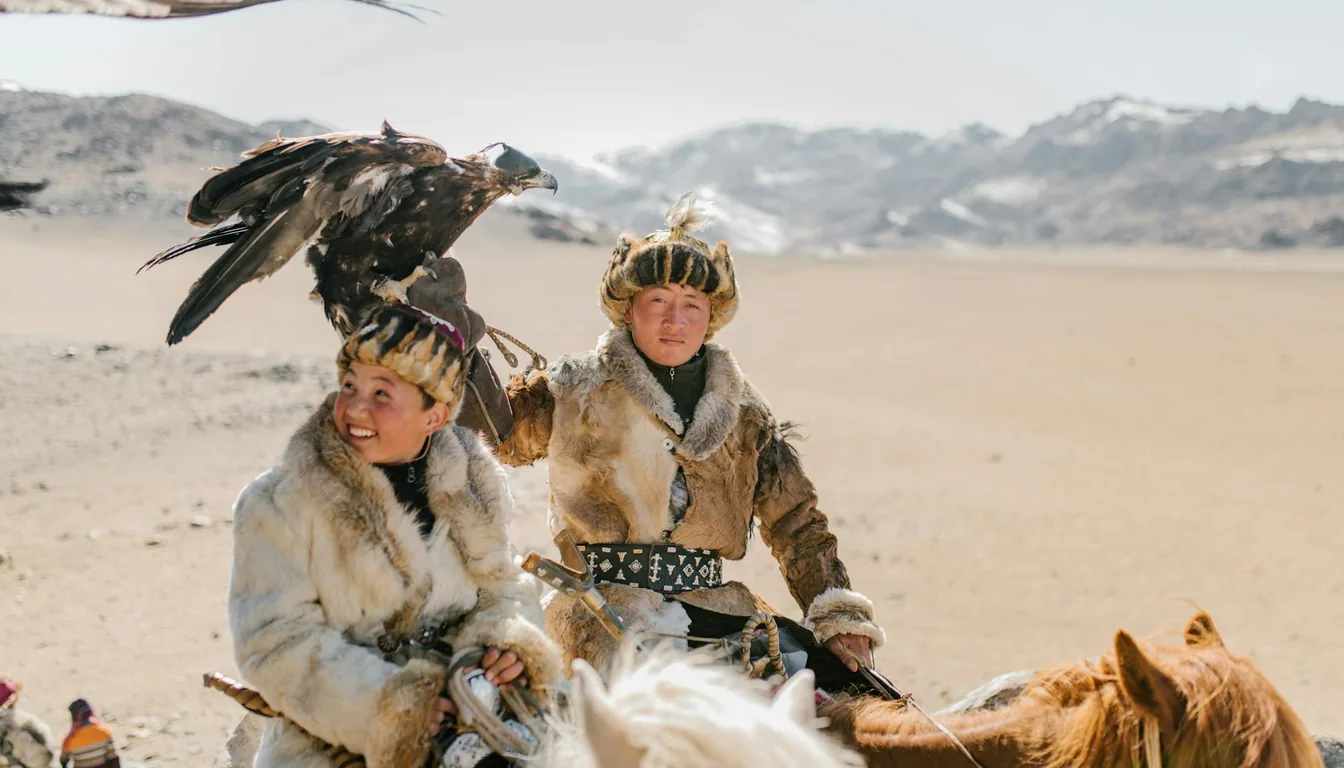
Kazakhstan’s culture is shaped by centuries of nomadic life on the Eurasian steppe, where hospitality, horsemanship, oral tradition, and communal values defined everyday existence. Today those roots blend with Russian, Islamic, and global influences to form a national identity that is distinct within Central Asia.
What Defines Kazakhstan’s Culture?
Kazakh culture sits at the intersection of Turkic nomadic heritage, Islamic practice, Soviet-era legacies, and post-independence nation-building. Understanding these layers is key to making sense of modern Kazakhstan.
The nomadic past is the deepest layer. Kazakhs were pastoral nomads for centuries, moving with their herds across the steppe. That lifestyle produced specific values — hospitality toward strangers, respect for elders, communal decision-making, and a practical relationship with the natural environment — that remain visible in everyday life today.
For a broader introduction to the country, see our 14 facts about Kazakhstan.
Kazakh Hospitality: The Core Tradition
Hospitality (qonaqasy) is the single most important cultural value in Kazakhstan. A guest — even an unexpected one — is treated with deep respect.
Key customs include:
- Offering tea immediately when someone enters a home. Refusing is considered impolite.
- Dastarkhan: a spread of food laid out for guests, often far more than anyone can eat. The abundance signals respect.
- Serving the eldest first: food and drink are always offered to the oldest person at the table before anyone else.
- Offering the best cuts of meat: at formal gatherings, specific parts of a boiled sheep are offered to specific guests according to their status and age.
This tradition is not performative. It is practiced daily across urban and rural Kazakhstan and is one of the first things visitors notice.
Nomadic Heritage: Yurts, Horses, and the Steppe
The Yurt (Kiiz Uy)
The yurt is the most recognized symbol of Kazakh nomadic culture. A portable, circular dwelling covered in felt, it was designed for easy assembly, insulation in extreme temperatures, and transport on horseback.
Today, yurts are used ceremonially (weddings, holidays, Nauryz celebrations) and for tourism. The yurt’s circular wooden frame and felt panels represent Kazakh craftsmanship and are recognized as UNESCO Intangible Cultural Heritage.
Horses
Horses are central to Kazakh identity. Historically, they provided transportation, food (horse meat and kumis), and military advantage. Traditional equestrian sports remain popular:
| Sport | Description |
|---|---|
| Kokpar | A mounted team game where riders compete for a goat carcass |
| Bayga | Long-distance horse racing across the steppe |
| Kyz Kuu | ”Catch the girl” — a courtship game on horseback |
| Tenge Ilu | Picking up coins from the ground while riding at speed |
These sports are featured at national holidays and festivals, particularly during Nauryz.
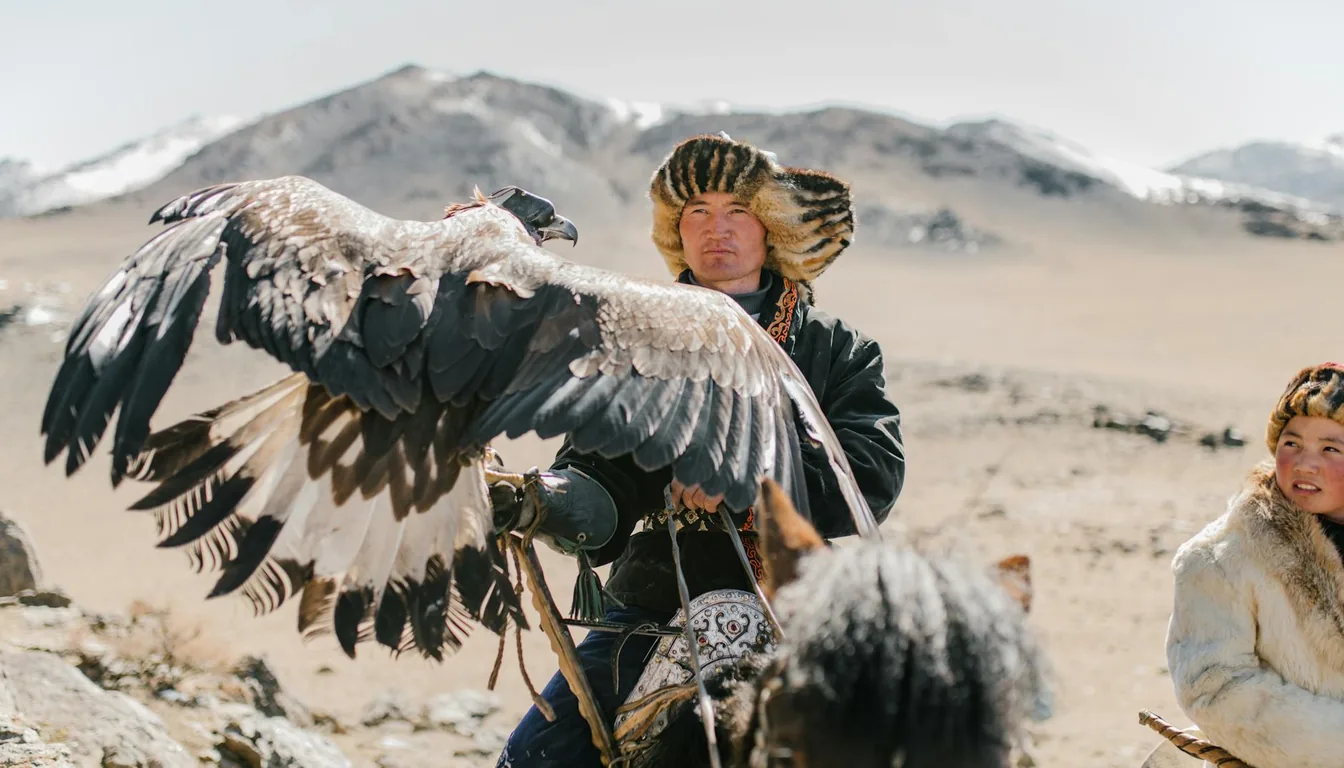
Eagle Hunting (Berkutchi)
Eagle hunting is an ancient Kazakh tradition where trained golden eagles are used to hunt foxes and hares. The practice is over 1,000 years old and is still maintained in western Kazakhstan. For a deeper look, see our hunting in Kazakhstan guide.
Nauryz: Kazakhstan’s Most Important Holiday
Nauryz (March 22) is the Kazakh New Year, celebrated at the spring equinox. It is the most important cultural holiday in Kazakhstan and marks the beginning of a new year in the traditional calendar.
Celebrations include:
- Preparing Nauryz kozhe, a traditional soup made from seven ingredients symbolizing prosperity
- Setting up yurts in public spaces
- Traditional music, dancing, and equestrian games
- Communal feasting and visiting family and neighbors
Nauryz was suppressed during the Soviet period but was revived after independence in 1991 and is now a national holiday celebrated across the country.
Kazakh Music and Oral Tradition
The Dombra
The dombra is a two-stringed instrument and the most important musical instrument in Kazakh culture. Nearly every Kazakh family owns one. It accompanies singing, storytelling, and the performance of epics (zhyr).
Aitys
Aitys is a traditional form of improvisational poetic contest where two performers compete in verse, often addressing social or political themes. It combines humor, wit, and musical skill. Aitys competitions are still held nationally and draw large audiences, including Kazakh women who have historically participated as skilled performers.
Oral Epic Tradition
Before written literature, Kazakh culture was preserved through oral epics performed by zhyrau (bards). Stories like Koblandy Batyr and Er Targyn conveyed history, values, and identity across generations.
Traditional Kazakh Clothing
Traditional Kazakh clothing reflects both practical needs and social status:
| Item | Description |
|---|---|
| Chapan | A long quilted robe, often given as a gift of honor |
| Saukele | A tall bridal headdress worn during weddings |
| Tymak | A fur hat with ear flaps for winter |
| Kebis | Leather boots, often elaborately decorated |
| Kamzol | An embroidered vest worn over a dress |
Traditional clothing is worn during holidays, weddings, and official ceremonies. For more, see our piece on Kazakh rugs and textiles, which explores another dimension of Kazakh material culture.
Islam in Kazakhstan
Kazakhstan is a predominantly Muslim country (approximately 70% of the population), but it practices a moderate, syncretic form of Islam influenced by pre-Islamic Turkic shamanism and Sufi traditions.
Key points:
- Most Kazakhs identify as Muslim but mosque attendance is relatively low compared to other Muslim-majority countries
- Alcohol is widely consumed and pork is available in some restaurants (though not part of Kazakh cuisine)
- Religious holidays like Ramadan and Eid al-Adha are observed, but Nauryz (a pre-Islamic holiday) is culturally more prominent
- The Mausoleum of Khoja Ahmed Yasawi in Turkistan is the most important Islamic pilgrimage site in Kazakhstan
Soviet Influence on Kazakh Culture
The Soviet period (1920-1991) had a profound impact on Kazakh culture:
- Sedentarization: Forced settlement of nomadic Kazakhs in the 1920s-1930s, ending centuries of mobile pastoralism
- Famine: The Kazakh famine of 1930-1933 killed an estimated 38% of the ethnic Kazakh population
- Language shift: Russian became the dominant language in education and government
- Cultural suppression: Traditional practices like Nauryz were banned or restricted
- Industrialization and urbanization: Transformed Kazakhstan’s economy and settlement patterns
Understanding the Soviet legacy is essential for grasping why post-independence cultural revival — including the debate over the country’s name and the founding history of the Kazakh Khanate — carries such significance.
Modern Kazakh Identity
Since independence in 1991, Kazakhstan has been actively reconstructing its national identity. Key developments include:
- Revival of the Kazakh language (ongoing transition from Cyrillic to Latin script, target completion by 2031)
- Celebration of historical milestones like the 550th anniversary of the Kazakh Khanate (2015)
- Investment in cultural infrastructure (museums, concert halls, the EXPO 2017 site in Astana)
- A growing contemporary art, film, and music scene, particularly in Almaty
Modern Kazakh identity is not a rejection of the Soviet or Russian past, but a rebalancing toward Kazakh-language, Turkic, and nomadic heritage within a multi-ethnic, secular state.
Frequently Asked Questions
- What is the most important tradition in Kazakhstan?
- Hospitality (qonaqasy) is the most important tradition. Guests are always offered tea and food, and refusing is considered impolite. This custom has deep roots in nomadic life, where welcoming travelers was both a social obligation and a survival necessity.
- What religion is practiced in Kazakhstan?
- Approximately 70% of Kazakhstan's population is Muslim (predominantly Sunni Hanafi). However, Kazakhstan practices a moderate, syncretic form of Islam influenced by pre-Islamic Turkic traditions. The country is constitutionally secular and home to over 100 ethnic groups with diverse religious practices.
- What is Nauryz in Kazakhstan?
- Nauryz is the Kazakh New Year, celebrated on March 22 at the spring equinox. It is the country's most important cultural holiday, marked by traditional food (Nauryz kozhe), yurt celebrations, equestrian games, and communal gatherings.
- What is a dombra?
- The dombra is a two-stringed instrument central to Kazakh music and storytelling. Nearly every Kazakh family owns one. It accompanies songs, epic poetry, and aitys (improvisational poetic contests).
- What is the traditional Kazakh dwelling called?
- The traditional Kazakh dwelling is the yurt (kiiz uy in Kazakh) — a portable, circular structure covered in felt. It was designed for nomadic life and is now used ceremonially and in tourism. UNESCO recognizes Kazakh-Kyrgyz yurt-making as Intangible Cultural Heritage.
More Stories

culture
Traditional Kazakh Clothing: Complete Guide to National Dress
Deep dive into traditional Kazakh clothing — the chapan robe, tymak hat, women's saukele headdress, embroidery patterns, and where to buy authentic pieces.
culture
Kazakh Wedding Traditions: Complete Guide to Kazakh Marriages
Kazakh wedding traditions — bride price (qalyn mal), matchmaking, the wedding ceremony, kelin saluu, traditional games, food, and what to expect as a guest.
culture
Culture of Kazakhstan: How Nomadic Heritage Still Shapes the Country
Explore the culture of Kazakhstan through hospitality, language, music, religion, nomadic heritage, Soviet influence, and modern national identity.