Kazakhstan Football: Clubs, National Team & League Guide
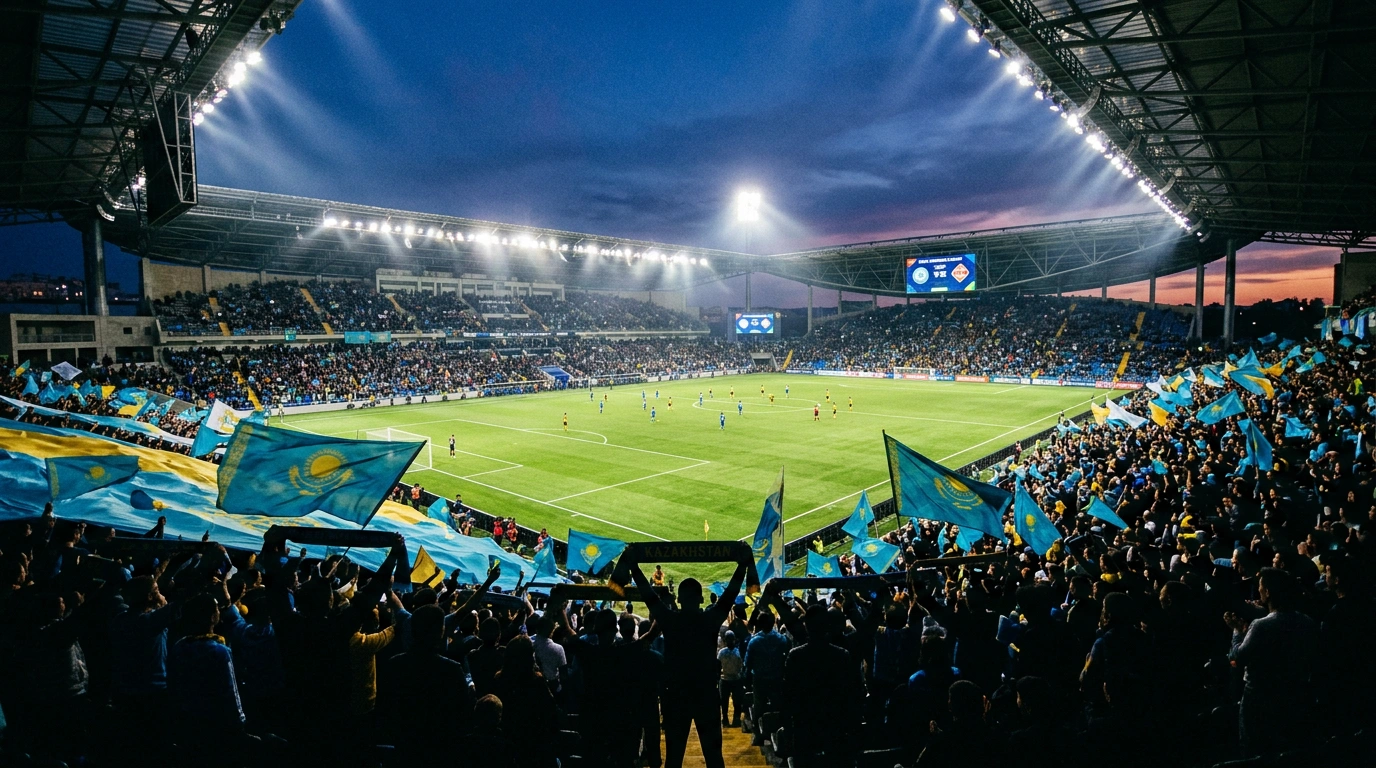
Kazakhstan football has been on a remarkable trajectory since the country joined UEFA in 2002. According to FIFA’s official rankings, the Kazakhstan national football team has competed in every European Championship and World Cup qualifying cycle since then, facing opponents like France, Belgium, and Germany on the continental stage. With a domestic league featuring 14 clubs, modern stadiums, and a growing fan culture, football in Kazakhstan is Central Asia’s most developed football ecosystem.
How Kazakhstan Became a UEFA Member
Kazakhstan’s football journey is unique in world football. The country initially competed under the Asian Football Confederation (AFC) after independence in 1991. According to the Football Federation of Kazakhstan (KFF), the pivotal decision to switch to UEFA came in 2002, making Kazakhstan the first Central Asian nation to join European football governance.
This was not just a bureaucratic move - it transformed the entire football landscape:
- Club competitions: Kazakh clubs gained access to the UEFA Champions League and Europa League qualifiers
- National team: Kazakhstan began competing in European Championship and World Cup qualifying groups
- Development: UEFA development programs brought coaching education, youth academy standards, and infrastructure funding
- Visibility: Matches against European powerhouses put Kazakh football on the global map
The KFF, founded in 1914 as one of the oldest football organizations in Central Asia, oversees all professional and amateur football in the country.
Kazakhstan National Football Team
The Kazakhstan national football team represents the country in international competitions under UEFA. According to FIFA’s database, the team has played over 200 official matches since independence.
Key Facts About the National Team
| Detail | Information |
|---|---|
| FIFA code | KAZ |
| Confederation | UEFA (since 2002) |
| Nickname | Барыстар (Snow Leopards) |
| Home stadium | Astana Arena (30,000 capacity) |
| Head federation | KFF (founded 1914) |
| Best FIFA ranking | 107th (2014) |
| Most caps | Samat Smakov (74 appearances) |
| Top scorer | Ruslan Baltiyev (13 goals) |
Notable Results
Kazakhstan has produced several memorable results in European qualifying campaigns:
- Drew 0-0 with Portugal in 2008 World Cup qualifying - a result that shocked European football
- Beat Andorra, San Marino, and Gibraltar in various campaigns - establishing themselves above the micro-nations
- Competitive matches against Belgium and Wales in recent qualifying cycles, with the Kazakhstan national football team showing significant tactical improvement
- Regularly draws crowds of 25,000+ for home qualifiers at Astana Arena
Kazakhstan National Football Team Players
Several Kazakh players have made their mark in European club football:
- Islambek Kuat - played for Portuguese club Benfica’s youth system
- Georgi Zhukov - competed in the Polish Ekstraklasa
- Abat Aimbetov - one of the top scorers in Kazakh football history
- Bauyrzhan Islamkhan - technical midfielder who attracted interest from clubs across Asia and Eastern Europe
The national team draws primarily from the domestic Kazakhstan football league, with occasional contributions from players based in Russia, Turkey, and Eastern Europe.
Kazakhstan Football League (QFL)
The Qazaqstan Football League (QFL) is the top division of professional football in Kazakhstan. According to the KFF, the league was restructured in its current format in 2015 and features 14 teams competing in a season that runs from March to November.
How the QFL Works
The Kazakhstan football league follows a standard round-robin format:
- 14 teams play home and away (26 matches per team per season)
- Season: March–November (winter break due to extreme cold)
- Champion qualifies for UEFA Champions League preliminary rounds
- 2nd and 3rd place enter UEFA Conference League qualifiers
- Bottom two teams are relegated to the First Division
2025 Season Overview
The QFL has become increasingly competitive, with multiple clubs challenging for the title in recent seasons. Average attendance across the league has grown steadily, with top matches attracting 15,000–25,000 spectators.
Top Kazakhstan Football Clubs
FC Astana
FC Astana is the most successful Kazakh club in European competition. Founded in 2009, the club has dominated the domestic league and made history internationally:
- 7 QFL titles - the most of any active Kazakh club
- First Kazakh club to reach the UEFA Champions League group stage (2015-16), where they faced Benfica, Atlético Madrid, and Galatasaray
- Regular UEFA Europa League and Conference League participant
- Home: Astana Arena (30,000) - the largest football stadium in Kazakhstan
- Colors: Sky blue and yellow, representing the capital city
FC Astana’s Champions League campaign in 2015 was a watershed moment for Kazakhstan football clubs, proving that domestic teams could compete at the highest European level.
FC Kairat Almaty
FC Kairat is the oldest and most storied club in Kazakhstan football, founded in 1954 during the Soviet era:
- One of the founding members of the Kazakh football pyramid
- Rich Soviet-era history - competed in the Soviet Top League
- Multiple QFL titles and regular contenders for the championship
- Home: Almaty Central Stadium (24,000)
- Passionate fanbase - the largest in Kazakh football, with organized supporter groups
Kairat represents Almaty, Kazakhstan’s largest city, and carries the weight of Soviet-era football tradition into the modern game.
FC Aktobe
FC Aktobe experienced a golden era in the late 2000s and early 2010s:
- 5 Premier League titles (2005–2013) - the dominant force of that era
- First Kazakh club to advance past the qualifying rounds in European competition
- Home: Aktobe Central Stadium (13,000)
- Based in Aktobe (western Kazakhstan), the club draws support from the entire Aktibinsk region
- Development academy has produced several national team players
FC Tobol Kostanay
FC Tobol from Kostanay in northern Kazakhstan has emerged as a consistent contender:
- QFL champion in recent seasons
- UEFA Conference League participant - representing Kazakhstan in European football
- Known for developing young Kazakh talent through their academy system
- Home: Kostanay Central Stadium (8,000)
Other Notable Clubs
| Club | City | Stadium | Notable Achievement |
|---|---|---|---|
| FC Ordabasy | Shymkent | Kazhymukan Munaitpasov (20,000) | Regular top-4 finisher |
| FC Shakhter | Karagandy | Shakhter Stadium (19,000) | UEFA Champions League playoff round (2013) |
| FC Irtysh | Pavlodar | Pavlodar Central (15,000) | Multiple league titles in early independence era |
| FC Kaisar | Kyzylorda | Gani Muratbayev (10,000) | Survived financial crises to remain competitive |
| FC Atyrau | Atyrau | Munaishy Stadium (8,500) | Western Kazakhstan’s football representative |
Stadiums and Infrastructure
Kazakhstan has invested heavily in football infrastructure, particularly ahead of major international hosting bids. According to the KFF, the country now has several modern stadiums meeting UEFA Category 3 and 4 standards:
- Astana Arena (30,000) - opened in 2009, hosted UEFA Super Cup in 2023, retractable roof for harsh winters
- Almaty Central Stadium (24,000) - renovated multiple times, Kairat’s fortress
- Kazhymukan Munaitpasov Stadium (20,000) - Shymkent’s main venue, one of the newest in the league
- Shakhter Stadium (19,000) - Karagandy’s industrial heartland venue
The Astana Arena is particularly notable - its retractable roof and heated pitch allow matches to be played even when outside temperatures drop below -20°C, solving one of the biggest challenges for Kazakhstan football.
Fan Culture in Kazakhstan
Football fan culture in Kazakhstan blends Soviet-era loyalty with modern ultras movements:
- Kairat fans are the most organized, with multiple supporter groups and choreographed displays
- FC Astana draws more casual fans due to the capital city effect, but their Champions League run created a new generation of supporters
- Derby matches - particularly Kairat vs. FC Astana - attract sell-out crowds and intense rivalry
- Away travel is challenging due to Kazakhstan’s vast distances - an away trip from Aktobe to Almaty is over 2,500 km
Match day traditions include chanting in both Kazakh and Russian, scarves and flags in club colors, and post-match gatherings at local cafes and restaurants near the stadiums.
Women’s Football in Kazakhstan
The Kazakhstan women’s national football team competes in UEFA women’s qualifying competitions. The women’s football league has been growing, with several clubs fielding women’s teams. The KFF has invested in women’s football development programs aligned with UEFA’s women’s football strategy.
Youth Development
Kazakhstan’s youth football infrastructure includes:
- KFF Academy system - centralized talent identification across all regions
- Club academies - FC Astana, Kairat, and Aktobe all run residential academies
- UEFA coaching programs - licensed coaching courses available across the country
- U-17, U-19, and U-21 national teams competing in UEFA youth tournaments
Several graduates of Kazakh youth programs have gone on to represent the senior national team and play professionally in Europe.
How to Watch Kazakhstan Football
For fans outside Kazakhstan who want to follow Kazakhstan football clubs and the national team:
- QFL matches are broadcast on Qazsport (national sports channel) and streamed online
- UEFA qualifiers featuring the Kazakhstan national football team are available through UEFA’s broadcast partners in each country
- Social media - most QFL clubs maintain active accounts on Instagram, YouTube, and Telegram
- Kazakhstan football league table and live scores are available on Flashscore, Transfermarkt, and the official QFL website at qfl.kz
Challenges Facing Kazakh Football
Despite progress, Kazakhstan football faces several ongoing challenges:
- Climate - the season is compressed into 8 months due to extreme winters, limiting player development time
- Geography - vast distances between cities make away travel expensive and exhausting for teams
- Financial instability - several clubs have faced financial difficulties, with some folding or restructuring
- Player retention - top talent often moves to Russian, Turkish, or Middle Eastern leagues
- Competitive gap - while improving, the gap between Kazakh clubs and top European sides remains significant
Despite these challenges, the trajectory is positive. UEFA membership has brought professionalization, better infrastructure, and international exposure that continues to develop the sport.
The Future of Kazakhstan Football
Looking ahead, Kazakhstan football is positioned for continued growth:
- 2026 and beyond: continued investment in stadiums and training facilities
- Growing academy system producing more technically skilled players
- Increased European exposure through club competitions
- Digital engagement - QFL clubs are expanding their online presence to attract younger fans
- Potential hosting bids for UEFA youth tournaments and women’s competitions
The Kazakhstan Football Federation aims to reach the top 80 in FIFA rankings within the next decade, a target that would represent a significant achievement for a Central Asian nation competing in European football.
Frequently Asked Questions
- Is Kazakhstan in UEFA or AFC?
- Kazakhstan has been a member of UEFA since 2002. The country switched from the Asian Football Confederation (AFC) to UEFA, making it the first Central Asian nation in European football governance. This means Kazakh clubs compete in the Champions League and Europa League, and the national team plays in European World Cup and Euro qualifying.
- What is the best football club in Kazakhstan?
- FC Astana is the most decorated active club, with 7 league titles and the distinction of being the first Kazakh club to reach the UEFA Champions League group stage in 2015-16. FC Kairat Almaty is the most historic club, founded in 1954, while FC Aktobe dominated in the late 2000s.
- What is the Kazakhstan football league called?
- The top division is called the Qazaqstan Football League, or QFL. It features 14 teams playing a March-to-November season. The champion qualifies for the UEFA Champions League qualifiers, and the 2nd and 3rd place teams enter the UEFA Conference League qualifiers.
- Has a Kazakh club ever played in the Champions League?
- Yes. FC Astana became the first Kazakh club to reach the UEFA Champions League group stage in the 2015-16 season. They were drawn into a group with Benfica, Atlético Madrid, and Galatasaray. FC Shakhter Karagandy also reached the Champions League playoff round in 2013.
- Where does the Kazakhstan national football team play home matches?
- The national team plays most home matches at Astana Arena in the capital city of Astana. The stadium holds 30,000 spectators and features a retractable roof, which is essential for matches during Kazakhstan's harsh winters when temperatures can drop below -20°C.
- Can I watch Kazakhstan football league matches online?
- Yes. QFL matches are broadcast on Qazsport, Kazakhstan's national sports channel, and many are streamed online. For international viewers, scores and highlights are available on the official QFL website (qfl.kz), Flashscore, and Transfermarkt. UEFA national team qualifiers are broadcast through UEFA's official broadcast partners.
More Stories

culture
Eagle Hunting in Kazakhstan: Berkutchi Tradition
Eagle hunting in Kazakhstan is a 4,000-year-old UNESCO tradition with only 250 berkutchi left. How it works, where to watch, and how to book a tour.

culture
Famous People from Kazakhstan: Top Icons & Stars
Famous people from Kazakhstan: GGG, Dimash Kudaibergen, Abai, and 30+ icons across sports, music, science and politics. Full bios and achievements.

culture
Kazakh Language Basics: 40+ Essential Phrases
Kazakh language basics for travelers — 40+ essential phrases for greetings, food, directions, emergencies, pronunciation, and when to use Kazakh vs Russian.