Kazakhstan Traditions: 12 Customs That Still Shape Daily Life
Kazakhstan traditions still shape daily life through hospitality, family hierarchy, tea rituals, holiday celebrations, and strong respect for community. While cities like Almaty and Astana are modern and fast-changing, many customs rooted in nomadic life remain active both in private homes and public celebrations.
12 Important Traditions in Kazakhstan
1. Welcoming Guests with Tea
Offering tea immediately to a guest is one of the strongest social expectations in Kazakhstan. Refusing can be seen as impolite unless there is a clear reason.
2. Dastarkhan Hospitality
The dastarkhan — a spread of food laid out for guests — symbolizes generosity, honor, and abundance. It is central to family gatherings, holidays, and celebrations.
3. Respect for Elders
Age hierarchy matters. Elders are greeted first, served first, and listened to carefully during family decisions and public events.
4. Nauryz Celebration
Nauryz, celebrated on March 22, marks the spring equinox and the Kazakh New Year. It includes yurt displays, communal food, horse games, and music.
5. Betashar at Weddings
The unveiling of the bride before the groom’s family remains one of the most meaningful wedding rituals. For more, see our guide on Kazakhstan wedding traditions.
6. Chapan Kigizu
Giving a chapan (traditional robe) to an honored guest is a sign of respect and gratitude. The garment itself is one of the most recognizable parts of Kazakhstan traditional clothing.
7. Horse Games and Equestrian Culture
Traditional games like kokpar, bayga, and kyz kuu reflect the central place of horses in Kazakh history.
8. Communal Meat Serving
At formal meals, meat is often served according to age and status. Specific cuts may be offered to particular guests as a sign of honor.
9. Oral Poetry and Music
Improvised contests like aitys and performances on the dombra remain important forms of cultural expression.
10. Family-Centered Celebrations
Large gatherings with extended family are common for birthdays, weddings, funerals, and state holidays.
11. Seasonal Dairy Traditions
Kumis and shubat are still consumed seasonally and remain tied to pastoral rhythms and spring-summer life.
12. Ritual Gift Exchange
Whether at weddings, matchmaking ceremonies, or official events, gifts remain a core way of expressing respect and mutual obligation.
Traditions at a Glance
| Tradition | What It Shows |
|---|---|
| Tea for guests | Hospitality |
| Dastarkhan | Abundance and family honor |
| Respect for elders | Social hierarchy and continuity |
| Nauryz | Seasonal renewal and identity |
| Betashar | Family integration and wedding symbolism |
| Chapan gift | Respect and recognition |
| Horse games | Nomadic heritage |
Why These Traditions Still Matter
Kazakhstan traditions survive because they are not just staged folklore. They still organize social life. A guest is still expected to be welcomed. Elders still carry weight. Nauryz still structures public cultural memory. Weddings still connect families rather than just individuals.
If you want the broader historical background behind these customs, start with Kazakhstan culture and traditions.
Frequently Asked Questions
- What is the most important tradition in Kazakhstan?
- Hospitality is often considered the most important tradition in Kazakhstan. Welcoming guests with tea and a full dastarkhan is a core social expectation rooted in nomadic life.
- What is Nauryz in Kazakhstan?
- Nauryz is the spring equinox holiday celebrated on March 22. It marks the Kazakh New Year and includes communal meals, yurts, music, horse games, and public festivities.
- Do Kazakhstan traditions still exist in modern cities?
- Yes. Even in modern cities like Almaty and Astana, traditions such as tea hospitality, family-centered celebrations, respect for elders, and wedding rituals remain very visible.
- Why are horses important in Kazakh traditions?
- Horses were central to nomadic survival, transport, warfare, food, and status. That is why horse games, horse meat dishes, and equestrian symbolism remain important in Kazakh culture.
- What is a dastarkhan?
- A dastarkhan is the traditional spread of food prepared for guests. It represents hospitality, abundance, and respect, and remains one of the strongest symbols of Kazakh social life.
More Stories
culture
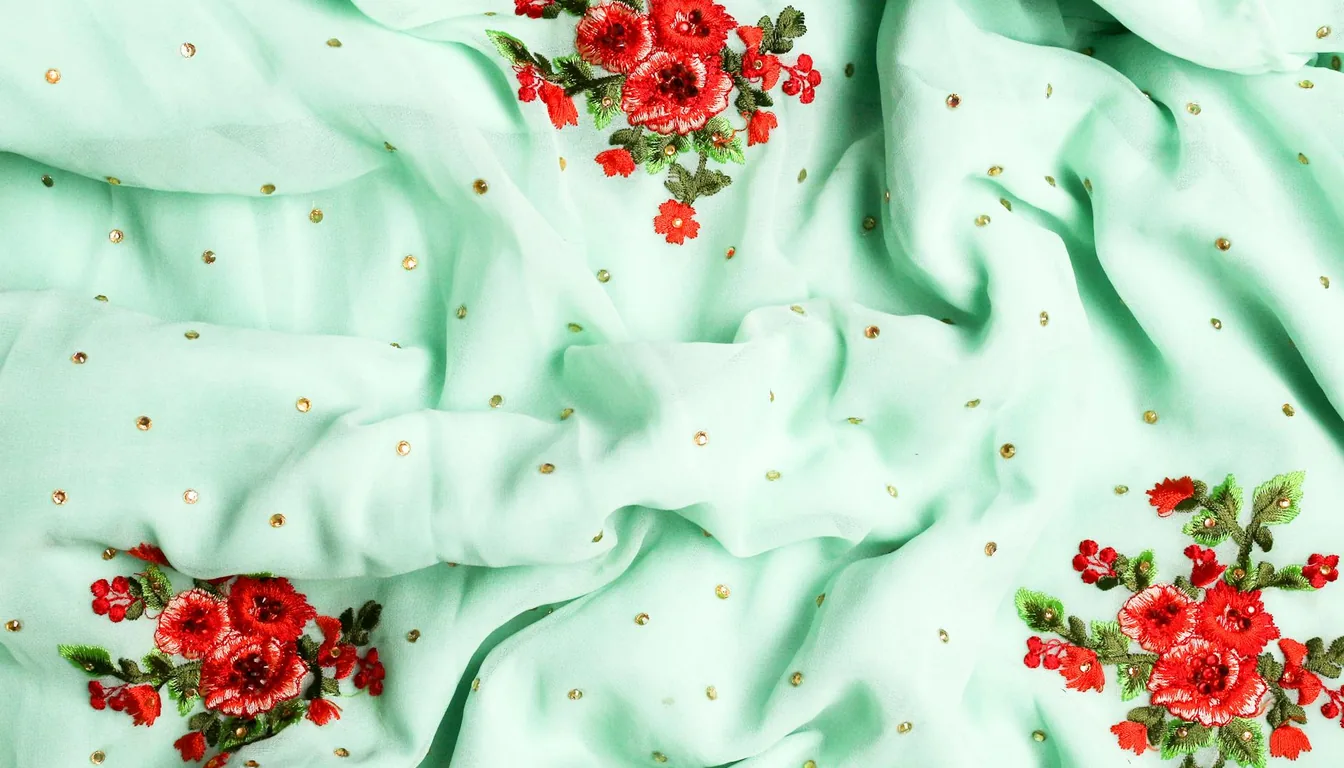
Traditional Kazakh Clothing: Complete Guide to National Dress
Deep dive into traditional Kazakh clothing — the chapan robe, tymak hat, women's saukele headdress, embroidery patterns, and where to buy authentic pieces.
culture
Kazakh Wedding Traditions: Complete Guide to Kazakh Marriages
Kazakh wedding traditions — bride price (qalyn mal), matchmaking, the wedding ceremony, kelin saluu, traditional games, food, and what to expect as a guest.
culture
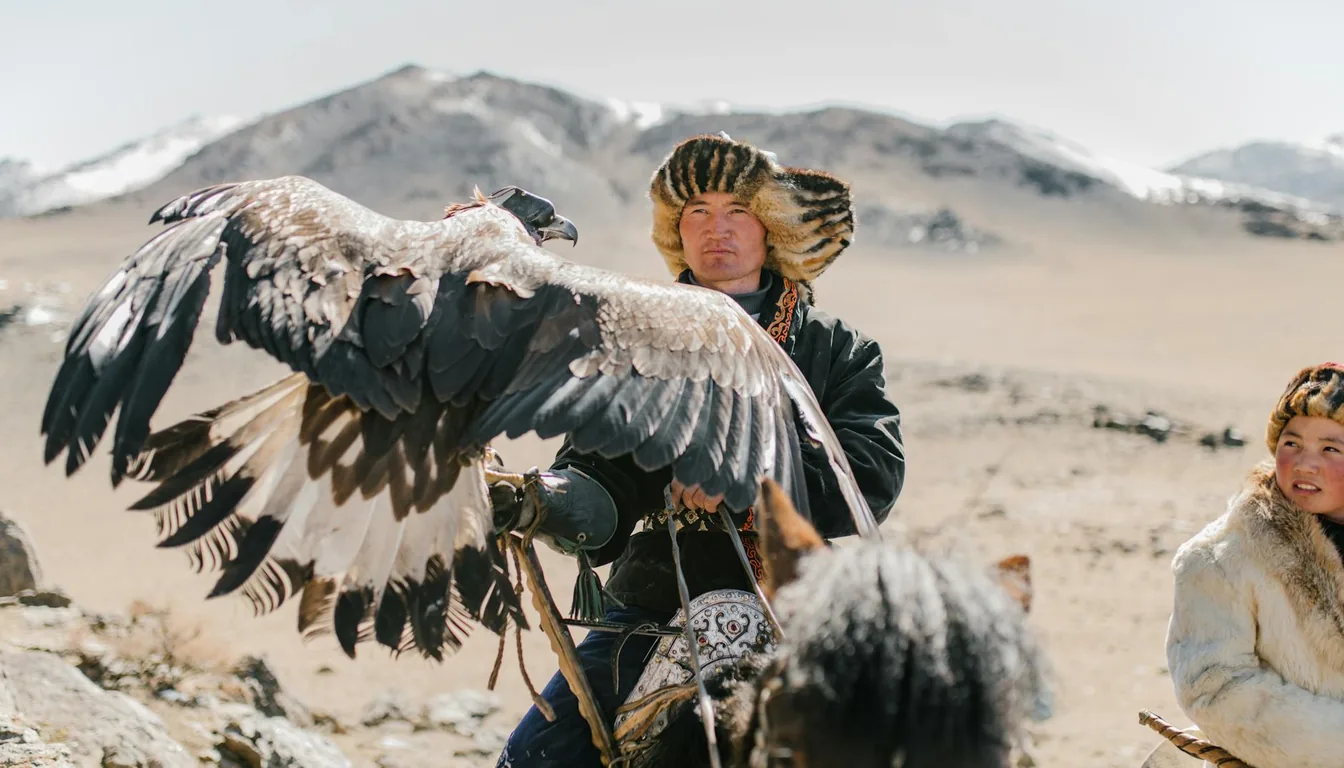
Culture of Kazakhstan: How Nomadic Heritage Still Shapes the Country
Explore the culture of Kazakhstan through hospitality, language, music, religion, nomadic heritage, Soviet influence, and modern national identity.