Almaty vs Astana: Which City Should You Visit in Kazakhstan?
Kazakhstan has two cities that represent entirely different visions of the country. Almaty is the original heart — a lively, mountain-backed metropolis with 130 years of history, vibrant culture, and the best food scene in Central Asia. Astana (formerly Nur-Sultan) is the bold, futuristic capital built almost from scratch since 1997 — a city of glass towers, monumental architecture, and governmental ambition that has no equivalent anywhere in the post-Soviet world.
Both cities are worth visiting. But they offer completely different experiences, and understanding that difference will help you choose — or decide to visit both.
Quick Comparison
| Category | Almaty | Astana |
|---|---|---|
| Population | ~2.3 million | ~1.5 million |
| Status | Largest city, cultural capital | Political capital |
| Founded | 1854 | 1830s (renamed capital 1997) |
| Climate | Continental, milder winters | Extreme continental, harsh winters |
| Mountains | ✅ Tian Shan 30 min away | ❌ Flat steppe |
| Nightlife | ✅ Best in Kazakhstan | ⚠️ Limited |
| Architecture | Soviet-era + modern mix | Futuristic, unique |
| Food scene | ✅ Excellent, diverse | ⚠️ Good but smaller |
| International flights | ✅ More options | ✅ Growing hub |
| Budget-friendliness | ⚠️ More expensive | ✅ Slightly cheaper |
| English spoken | Moderate | Low |
| Best for | Culture, nature, food, nightlife | Architecture, modernity, business |
Almaty: Kazakhstan’s Cultural Capital
Almaty was Kazakhstan’s capital until 1997 and remains the country’s economic, cultural, and intellectual centre. The city sits in the southeast at the foot of the Zailiysky Alatau range — a sub-range of the Tian Shan — at an elevation of 700–900 metres above sea level.
What Makes Almaty Special
The mountains are everything. Within 30 minutes of the city centre, you can be at 2,200m at the Shymbulak ski resort, hiking in Ile-Alatau National Park, or swimming at Big Almaty Lake (a turquoise glacier lake at 2,500m). No other major Central Asian city has this combination of urban life and immediate mountain access.
The food and cafe culture is exceptional. Almaty has hundreds of restaurants covering Kazakh, Russian, Korean, Georgian, Japanese, and international cuisine. The Green Bazaar is the best food market in Kazakhstan. Coffee culture is strong — there are specialty coffee shops in almost every neighbourhood.
The arts scene is alive. Almaty has Kazakhstan’s best museums (including the Central State Museum and the Kasteyev Art Museum), the National Theatre, international festivals, and a growing contemporary art scene. Most of Kazakhstan’s creative class lives here.
Soviet architecture done right. The city’s street grid, green boulevards, and Soviet-era buildings are well-maintained and often beautiful — particularly around Panfilov Park and the Ascension Cathedral, one of the few remaining wooden churches built without a single nail.
Almaty Downsides
- Air pollution in winter and autumn (mountain geography traps smog)
- Traffic is consistently bad
- More expensive than Astana for accommodation and dining
- Summer heat (July–August averages 30°C+) combined with pollution
Best time to visit Almaty
April–June and September–October are ideal — comfortable temperatures, clear skies, and the mountains are accessible without extreme heat or cold.
Astana: The Capital That Shouldn’t Exist
Astana is one of the most extraordinary cities in the world — not because it’s beautiful in the conventional sense, but because of what it represents. A new capital city built almost entirely from 1997 onwards on flat, windy steppe, in one of the harshest climates on earth, is an act of political will that borders on the surreal.
The result is a city of glass pyramids, giant tents, golden spheres, and perfectly straight boulevards that feel like a vision of the future that hasn’t quite arrived yet. It’s fascinating, strange, and utterly unlike anywhere else.
What Makes Astana Special
The architecture is unmissable. Astana has buildings designed by Norman Foster (Khan Shatyr entertainment centre, Palace of Peace and Reconciliation pyramid), Foster + Partners, and dozens of other international architects. The Left Bank — built entirely from scratch — is a parade of government buildings, hotels, and cultural centres unlike anything in Central Asia.
The Baiterek Tower. The 105-metre observation tower with a golden sphere is Astana’s defining landmark. The sphere contains a golden handprint of Kazakhstan’s first president and offers 360° views over the city and steppe. It is genuinely iconic.
The museums are world-class. The National Museum of Kazakhstan (opened 2014) is the best museum in the country — 74,000 exhibits covering everything from the Golden Man artefacts to Soviet-era history to contemporary Kazakhstan. Entry is inexpensive.
EXPO 2017 site. The international exposition grounds have been converted into a technology and innovation hub called Expo City. The giant sphere (originally the Kazakhstan Pavilion) contains an interactive energy and future-of-the-world museum.
Less crowded than Almaty. Astana feels spacious. The boulevards are wide, the parks are large, and there’s none of Almaty’s traffic congestion.
Astana Downsides
- The winters are brutal. Astana is one of the coldest capital cities on earth — January average is -14°C, with regular lows of -30°C or below and extreme windchill. If you’re visiting November through March, prepare seriously.
- Flat as a table. There are no mountains, no dramatic nature nearby. The city sits on open steppe.
- Feels unfinished. Some areas of the Left Bank are still under construction or feel underpopulated. The ambition is bigger than the current reality.
- Nightlife is thin. Astana has restaurants and some bars, but nothing approaching Almaty’s scene.
Best time to visit Astana
May–September — summers are warm (25–30°C) with long days and clear skies. Avoid November through March unless you have a specific reason.
Cost Comparison
Both cities use the Kazakhstani tenge (KZT). As of 2025, 1 USD ≈ 525 KZT.
| Expense | Almaty | Astana |
|---|---|---|
| Budget hotel (per night) | $30–60 | $25–50 |
| Mid-range hotel | $80–150 | $60–120 |
| Lunch at local cafe | $5–10 | $4–8 |
| Dinner at restaurant | $15–30 | $12–25 |
| Coffee | $2–4 | $2–3 |
| Metro / public transport | $0.30 | $0.25 |
| Taxi across city | $5–10 | $4–8 |
Almaty is consistently 10–20% more expensive than Astana for accommodation and food, but has more variety at every price point.
Getting Between Almaty and Astana
The two cities are 1,200 km apart. Your options:
By air (fastest): Flights take 1.5–2 hours and run multiple times daily with Air Astana and SCAT. Prices range from $40–100 depending on advance booking. This is the most practical choice.
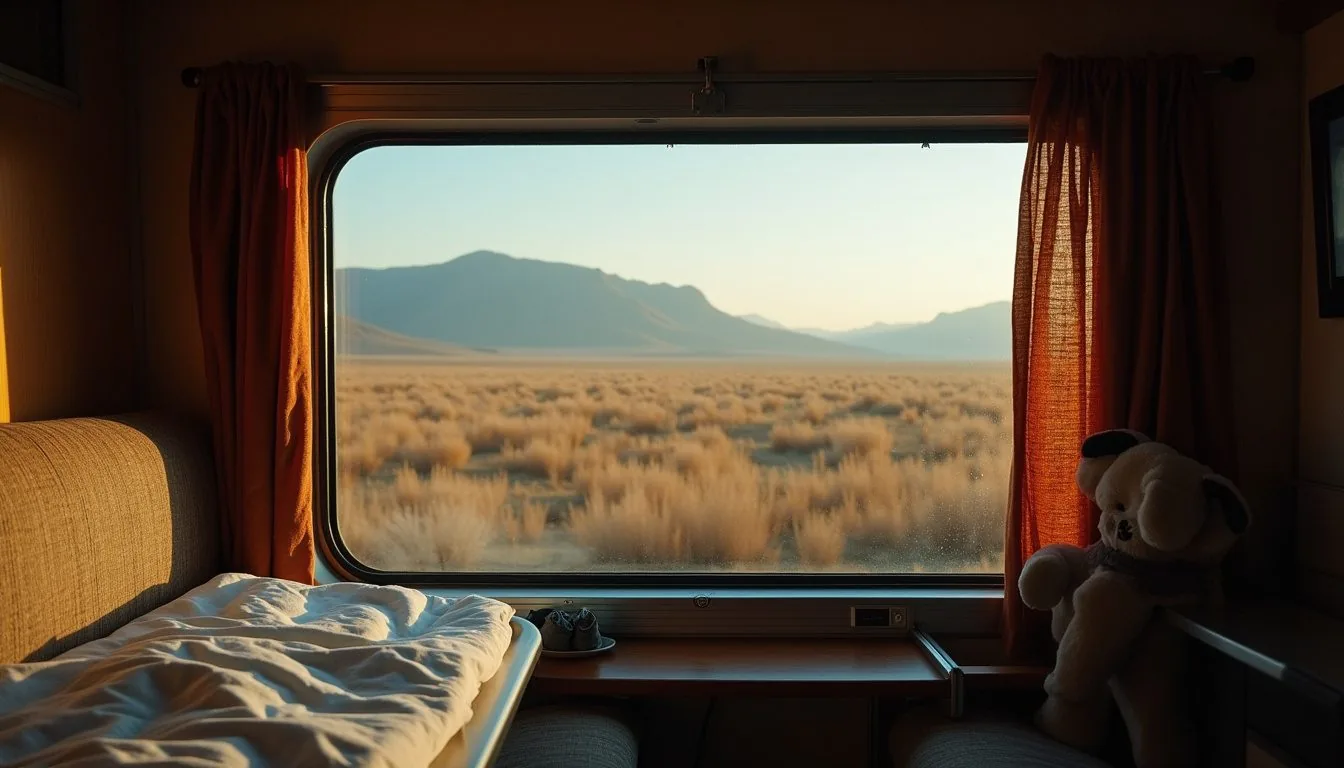
By train (overnight): The Talgo train takes 12–14 hours overnight. A comfortable compartment (kupe) costs $30–60. The train is comfortable, punctual, and gives you a real sense of the steppe distances. A genuine travel experience.
By bus/shared taxi: Takes 12–16 hours. Cheaper but more tiring. Not recommended when the train is available.
Which City Should You Choose?
Choose Almaty if you:
- Want mountains, hiking, and outdoor adventure
- Care about food, cafes, and nightlife
- Are interested in culture, arts, and museums in a lived-in city
- Are visiting in winter (Almaty’s climate is far more manageable)
- Want the most “complete” Kazakhstan city experience
Choose Astana if you:
- Are specifically interested in futuristic architecture and urban design
- Are visiting on business or for a government-related purpose
- Have already seen Almaty and want to compare
- Are visiting in summer (May–September)
- Want to understand Kazakhstan’s political ambition and self-image
Visit both if you:
- Have 7+ days in Kazakhstan
- Are doing a longer Central Asia trip
- Want to understand the contrast between old and new Kazakhstan
The two cities are complementary. Almaty shows you what Kazakhstan grew from; Astana shows you what it is trying to become. The contrast between them is one of the most interesting things about Kazakhstan as a country.
Our Recommendation
Start in Almaty, end in Astana. Fly into Almaty, spend 3–4 days exploring the city and making day trips to Charyn Canyon, Kolsai Lakes, or the mountains. Then take the overnight train to Astana for 2 days of architectural tourism. Fly home from Astana.
This route gives you the best of both cities and avoids backtracking.
Frequently Asked Questions
- Is Almaty or Astana better for tourists?
- Almaty is generally better for tourists — it has more attractions, better food, more nightlife, immediate access to mountains, and a more cosmopolitan atmosphere. Astana is worth visiting for its extraordinary futuristic architecture and the National Museum, but Almaty has more to offer across a longer stay.
- How far is Almaty from Astana?
- Almaty and Astana are approximately 1,200 km apart. The fastest connection is by air (1.5–2 hours, multiple daily flights). The overnight train takes 12–14 hours and is a comfortable, affordable option. By road takes 14–16 hours.
- Which city is the capital of Kazakhstan?
- Astana is the capital of Kazakhstan since 1997, when President Nursultan Nazarbayev moved the capital from Almaty. The city was renamed Nur-Sultan in 2019 and then renamed back to Astana in 2022. Almaty remains the largest city and economic centre.
- Is Almaty safe for tourists?
- Yes, Almaty is safe for tourists. It is a modern city with good infrastructure, low violent crime rates, and a tourist-friendly atmosphere. Standard city precautions apply — watch your belongings in crowded areas and use licensed taxis. Kazakhstan overall has a low crime rate compared to regional peers.
- What is the best time to visit Kazakhstan?
- The best time to visit Kazakhstan overall is May–June or September. These shoulder seasons offer mild weather in both Almaty and Astana, comfortable temperatures for outdoor activities, and fewer crowds than peak summer. Almaty's mountains are accessible from April through October.
- Can I visit both Almaty and Astana on one trip?
- Yes — the recommended route is to fly into Almaty, spend 3–4 days there, then take the overnight train to Astana for 2 days before flying home. This covers both cities without backtracking and is one of the most satisfying Kazakhstan itineraries for first-time visitors.
More Stories
travel
Kazakhstan Nature: Steppes, Mountains, Deserts & National Parks
Kazakhstan's nature spans steppe, mountains, desert, and lakes. Guide to national parks, Charyn Canyon, Altyn Emel, saiga antelopes, and snow leopards.
travel
Best Time to Visit Almaty: Month-by-Month Guide
When to visit Almaty — complete month-by-month breakdown covering weather, crowds, mountain conditions, festivals, and practical travel tips for every season.
travel
Kazakhstan 7-Day Itinerary: The Perfect First Trip
The best 7-day Kazakhstan itinerary covering Almaty, Charyn Canyon, Kolsai Lakes, and Astana. Day-by-day plan with transport, costs, and practical tips.