Best Time to Visit Almaty: A Month-by-Month Planner
Reported from the ground: Tugelbay Konabayev is a Kazakh native (born in Aktobe) who has lived 7 years in Almaty and 4 in Astana. About the author.
In this article10 sections
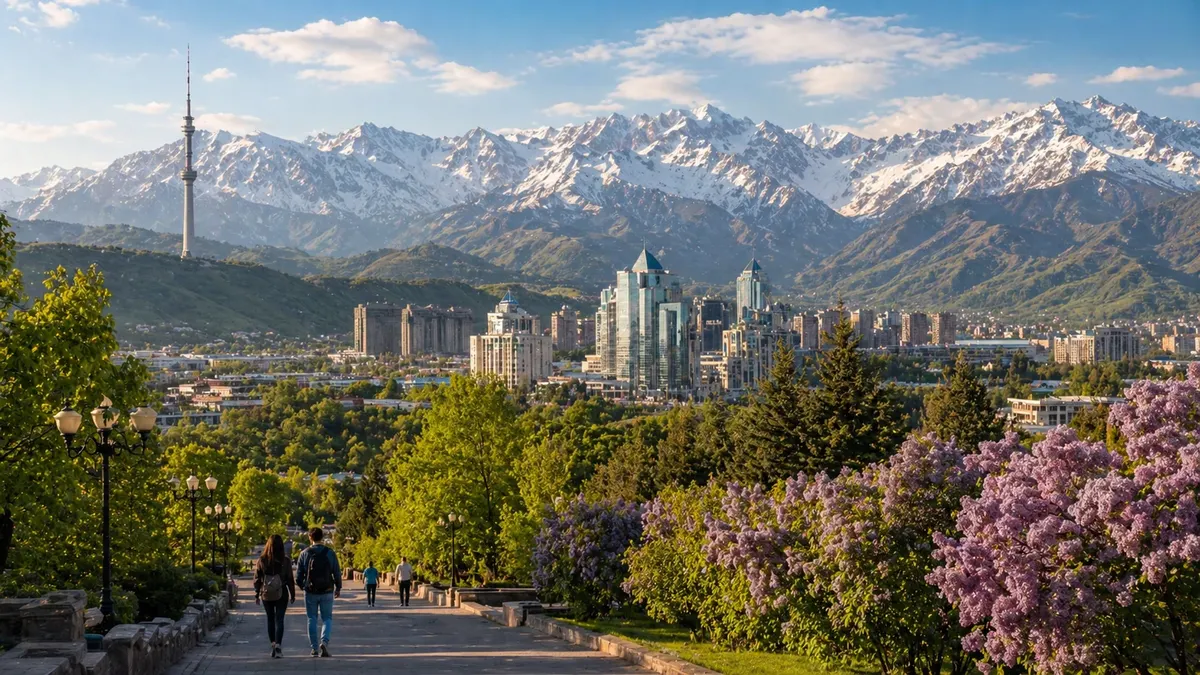
For a first trip that combines the city and nearby mountains, the best time to visit Almaty is usually late May through June or the first half of September. Kazhydromet’s Almaty table puts the 1991–2020 city-station mean at 16.5 °C in May, 21.1 °C in June and 17.3 °C in September. Choose winter instead if skiing is the purpose of the trip, then verify the current resort operation rather than booking from a historical opening date.
That is a planning answer, not a weather guarantee. Almaty sits below the Trans-Ili Alatau, and conditions can differ sharply between the city, Medeu and the upper lifts at Shymbulak on the same day. Use this page to choose a month; use the official forecast and mountain operator pages to make the final call.
The short answer by trip type
Choose the month from the activity that would make or break the trip. A ski holiday needs confirmed winter operations; a city break can tolerate more weather; a high-route hiking trip needs the narrowest and most flexible window.
| Your main reason for visiting | Start with | Main trade-off |
|---|---|---|
| First visit: city plus mountains | Late May–June or early September | Rain or a sudden mountain weather change is still possible |
| City walks, cafés and museums | April–May or September–October | April and October are more variable |
| Higher-elevation hiking | June–September | Snow, storms and trail closures depend on altitude |
| Skiing at Shymbulak | Winter, often January–March | The operating calendar and snow conditions change each season |
| Early-spring city break | March–April | The city normal changes quickly; keep the mountain day flexible |
| Indoor-focused city break | November or late winter weekdays | Shorter days and cold make museums and food the safer anchors |
If your itinerary extends far beyond Almaty, use the country-wide best-time guide. Kazakhstan is too large for one Almaty forecast to describe Astana, the Caspian coast and the southern desert at once.
There is no honest “best month” without that constraint. June may be a better answer for a traveler who wants long outdoor days, September for someone who dislikes heat, and February for someone who would cancel the trip without skiing. Start with the purpose, then compare the seasonal risk you are willing to accept.
Almaty month by month
Monthly climate is useful for choosing a season, but it cannot open a trail or a ski lift. The official Kazhydromet page publishes 1991–2020 normals from the Almaty station at 851 m above sea level. The planner below uses those exact city values without pretending they describe Medeu, upper Shymbulak or your travel week.
| Month | City mean | Normal precipitation | Planning use and required live check |
|---|---|---|---|
| January | -6.1 °C | 35 mm | Ski-focused trip; confirm lifts, runs, access and city conditions |
| February | -4.3 °C | 43 mm | Winter trip; do not assume the whole ski area is operating |
| March | 2.7 °C | 72 mm | Mixed city days; keep the mountain plan flexible |
| April | 11.2 °C | 112 mm | City break; verify ground and access conditions above the city |
| May | 16.5 °C | 99 mm | Green-season city trip; check warnings and the exact mountain route |
| June | 21.1 °C | 59 mm | Strong all-round starting point; recheck mountain weather |
| July | 23.7 °C | 43 mm | Start exposed activities early and plan around city heat |
| August | 22.6 °C | 34 mm | Similar heat planning; verify current access and weather |
| September | 17.3 °C | 28 mm | Strong city-and-mountain starting point; watch daylight and altitude |
| October | 9.8 °C | 50 mm | City-first trip; make high routes optional |
| November | 1.5 °C | 55 mm | Indoor-led visit; do not assume the ski season has opened |
| December | -4.0 °C | 44 mm | Winter atmosphere; confirm every ski-dependent booking |
The temperature and precipitation columns are Kazhydromet city-station normals, not a forecast. September has the lowest precipitation normal in the official table, but that does not guarantee a dry day or safe conditions at altitude.
This is deliberately not a table of hotel-price labels or promised trail openings. Rates react to weekends, conferences and holidays; mountain access reacts to current conditions. Check the thing you intend to buy or visit.
Read the table as a risk map. January and February are not “bad” months if your plan is built around snow. July and August are not automatically too hot if you move exposed activities to the morning. April and October are not cheap guarantees; they are flexible city-break months in which the mountain part of the itinerary needs a backup.
Also separate three elevation bands in your planning:
- Central Almaty: streets, museums, markets, restaurants and parks can remain usable when a mountain plan changes.
- Foothills and Medeu area: cooler than the city and more exposed to local rain, ice or snow.
- Upper Shymbulak and high routes: a different operating and safety decision from the weather outside your hotel.
One forecast icon for “Almaty” does not describe all three.
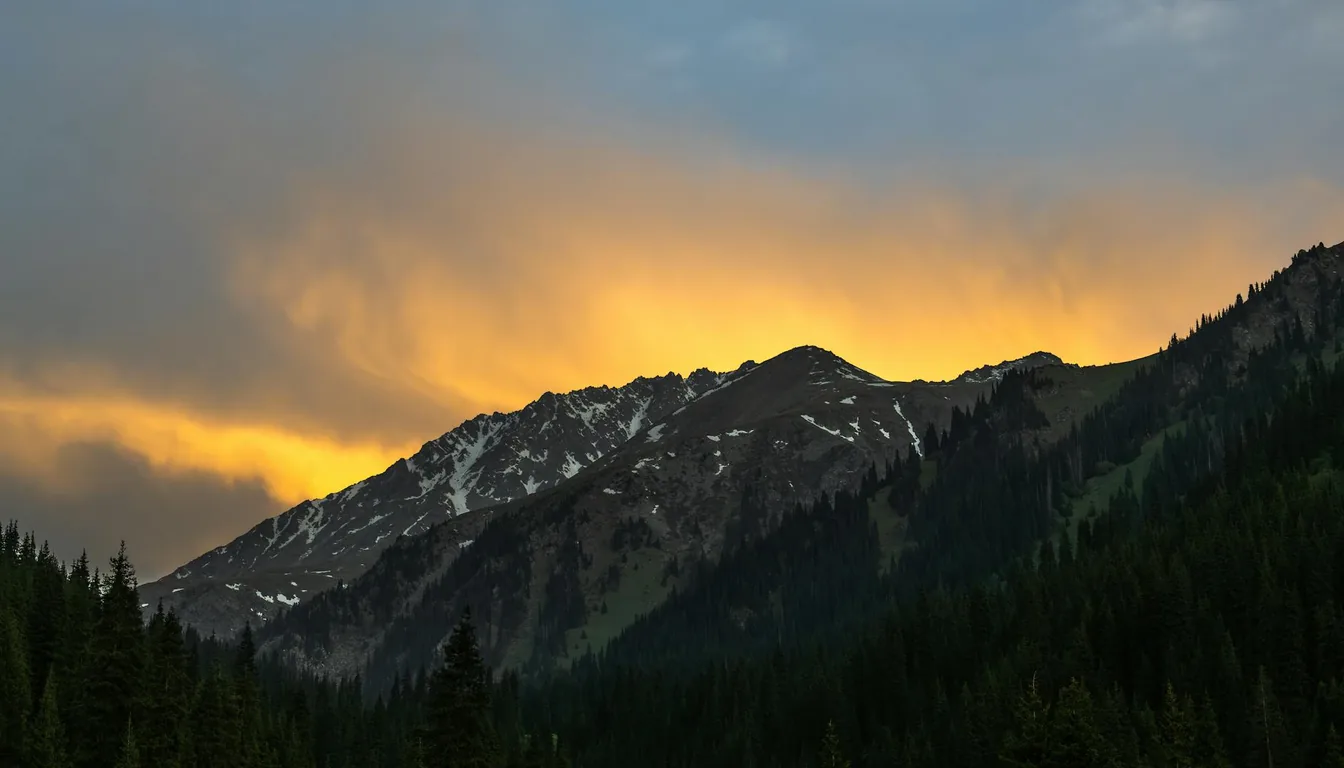
Kazhydromet’s city station is at 851 m, so its monthly normals should not be reused as a high-mountain forecast.
Late May and June: the best all-round window
Late May and June give a first-time visitor a useful balance of mild city conditions and itinerary flexibility. The city-station mean is 16.5 °C in May and 21.1 °C in June. Normal precipitation falls from 99 mm in May to 59 mm in June, which is why late May is a more cautious recommendation than treating the whole month as equally dependable.
The limitation is variability in the mountains. A warm city afternoon does not prove that a high trail is snow-free, and a route described as “open” in an old blog post may be affected by weather or maintenance. For serious hiking, check current notices and use the Kazakhstan hiking guide to separate easy sightseeing stops from backcountry routes.
A sensible five-day version uses two city days, two weather-dependent outdoor days and one movable day. Put the hardest-to-rebook mountain plan on the best forecast, then move markets, museums or neighborhood walks into the weaker slot. This is more reliable than fixing every day months in advance.
May and June are not interchangeable at altitude. Late May can still feel like spring higher up, while June generally gives more daylight and a wider set of plausible routes. If one specific lake or trail is the entire purpose of the trip, ask the responsible operator or guide about that route instead of relying on this city-level recommendation.
September: the best alternative for a first visit
September is the strongest alternative when you want a cooler city base without making the mountain plan automatic. The Kazhydromet city-station mean is 17.3 °C and the precipitation normal is 28 mm, the lowest monthly value in its table. Those numbers support the seasonal choice, not a promise about an individual trail or canyon day.
Do not turn “September is good” into “every September day is clear.” Build one flexible city day into the itinerary so a poor mountain forecast does not waste the trip.
Early and late September can feel different. Daylight shortens through the month, nights cool, and a high route can turn before the city does. For a trip centered on long hikes, earlier September gives more margin. For food, architecture and ordinary sightseeing, the entire month can remain attractive if the schedule is adaptable.
September also deserves early booking when a specific weekend or event matters. That does not mean the whole month has one “peak” price. Compare the exact dates and keep a cancellable option until the major transport pieces are fixed.
Winter: go for skiing, not for a generic city-and-mountain promise
Winter is the right season only when cold and snow fit the trip you actually want. January and February city-station means are -6.1 °C and -4.3 °C. Shymbulak is the key operator to check: its official access update shows why road access and gondola operation must be verified separately. Season dates, individual lifts and runs can change, so confirm the pieces your trip requires close to departure.
For a city-only winter break, pack for cold and keep an indoor plan. Consult Kazhydromet’s live warnings and air-quality tools instead of applying a permanent “good” or “bad” label to an entire month.
Do not book a non-refundable ski package from a historical opening date. Confirm at least the operating calendar, the lifts serving the terrain you need and whether equipment or lessons require separate reservation. A resort being “open” can mean something narrower than the full experience pictured in an advertisement.
In the city, footwear and layering matter more than chasing one average temperature. Pavements can be wet or icy, heated interiors can feel much warmer than the street, and the cable-car journey changes exposure quickly. A compact winter plan works best when it pairs one confirmed mountain day with indoor city options.
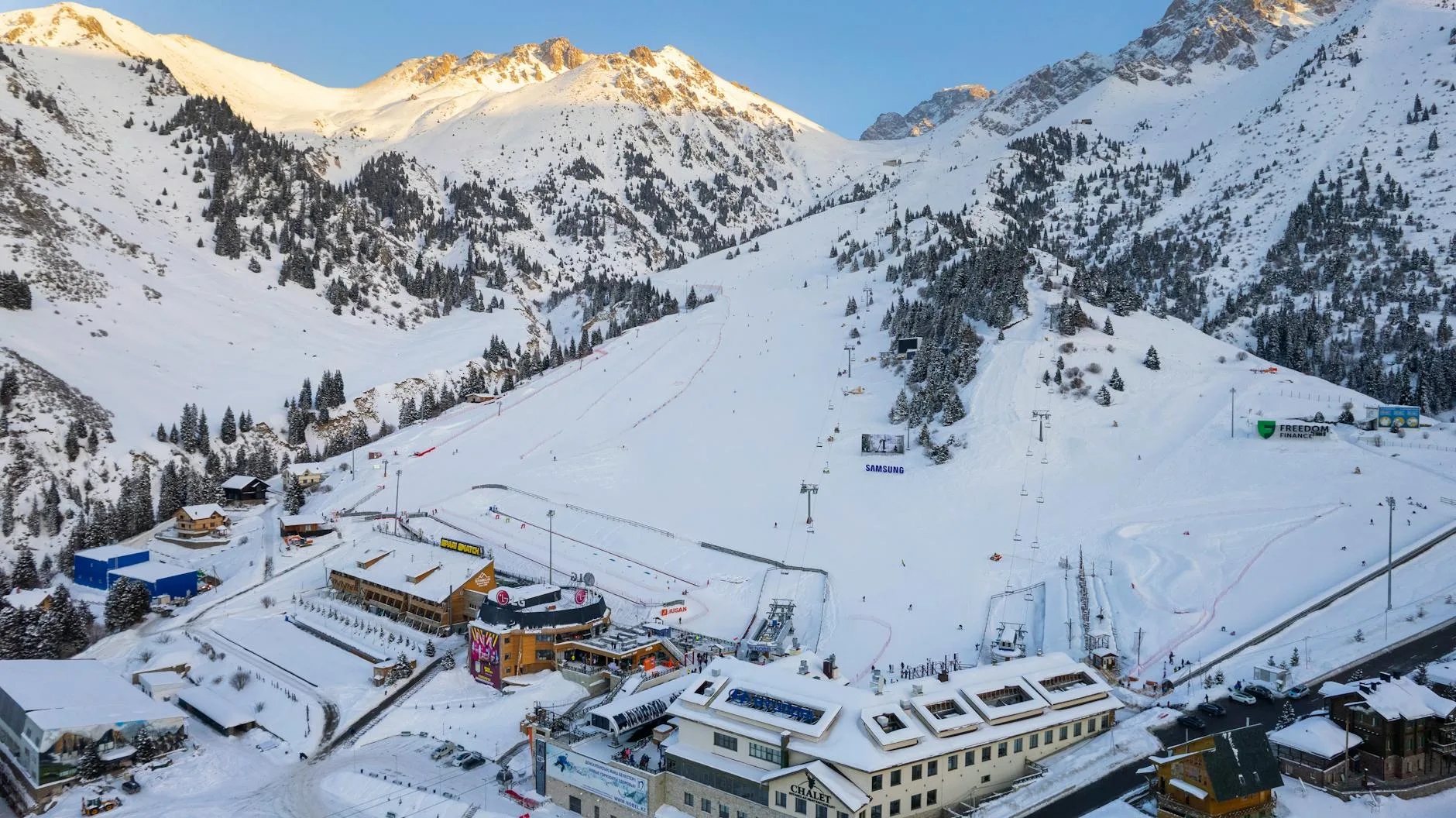
A winter month is only the starting point; verify access, lifts and runs with Shymbulak before paying for a ski-dependent trip.
July and August: workable, but plan around heat
July and August work when you design the day around heat rather than fight it. Their city-station means are 23.7 °C and 22.6 °C. Start exposed walks and canyon excursions early, reserve hotter hours for lunch or indoor sights, and use the evening for city neighborhoods.
Altitude helps in the mountains but also increases sun exposure and can bring abrupt weather. Carry water, sun protection and a light outer layer even when central Almaty is hot.
The canyon and the mountains solve different summer problems. Higher ground can be cooler, while an exposed canyon may intensify heat and sun. Do not group every “day trip from Almaty” under the same packing list or departure time. Read the route description, driving time and shade situation before choosing the day.
April and October: good shoulder-season city trips
April and October work best when the city is enough to make the trip worthwhile. Their city-station means are 11.2 °C and 9.8 °C, but April’s precipitation normal is 112 mm compared with 50 mm in October. Book a trip you would still enjoy if a mountain day becomes a museum, food or architecture day.
For either month, verify the actual ground and access conditions for unpaved or high routes. A city average cannot tell you whether a particular trail is muddy, icy or clear.
These months suit repeat visitors particularly well. Someone who has already seen the headline mountain stops can use a changeable day for galleries, markets, bathhouses, cafés or a neighborhood walk without feeling that the trip failed. A first-time visitor with one non-negotiable alpine objective should usually choose a window with more margin.
Why city weather and mountain weather diverge
Almaty’s elevation change is the reason a single monthly average can mislead. The official city station is at 851 m; your hotel, the Medeu area and the upper mountain stations are not interchangeable weather points. Temperature, wind, precipitation and ground conditions can differ because the vertical gain is large.
This has three practical consequences. First, pack a layer for the mountain even when the city forecast looks warm. Second, do not use a clear view from central Almaty as a safety check for a high route. Third, look for the forecast closest to the activity rather than the most convenient city widget.
The same distinction applies to access. A cable car, road and hiking trail can have separate restrictions. One can operate while another is limited. The relevant source is the agency or operator responsible for that specific piece of infrastructure.
For independent walking, tell someone the route, carry offline mapping and turn around when conditions deteriorate. The current FCDO safety advice says not to trek alone and warns that weather can change quickly while communications and rescue can be difficult in remote areas.
Choose the season from city normals, then make the route decision from the current mountain forecast and access notice.
Pick dates in four steps
A reliable Almaty date choice moves from purpose to season to live checks. Do not reverse the order by buying a cheap flight first and trying to force a weather-sensitive activity into it.
- Name the non-negotiable activity. Skiing, high hiking and city sightseeing have different calendars.
- Choose a flexible window. Late May–June and early September are the best starting points for a mixed first trip.
- Check live conditions before the cancellation deadline and again on the day. Use Kazhydromet and the operator responsible for the lift, road or attraction.
- Keep one swap day. Almaty has enough indoor and city options to move a mountain plan without losing a day.
For a short trip, rank activities as “must do,” “would like” and “weather backup.” For a longer trip, avoid placing two weather-sensitive day trips back to back; that gives you fewer ways to swap them. If a guided excursion has a cancellation window, put the recheck reminder before that deadline.
Once the dates are realistic, run the visa checker and trip cost calculator, then choose a base with the Almaty travel guide.
Frequently Asked Questions
What are the best months to visit Almaty?
Late May through June and early September are the strongest all-round windows for city walking and many mountain day trips. No month guarantees clear trails or mountain weather, so check live conditions before the trip.
When is the best time to ski in Almaty?
Plan a winter trip, commonly between January and March, then confirm the current season, lift and run status on Shymbulak's official site before booking around skiing.
Is summer too hot for Almaty?
No, but July and August reward an early-start itinerary. Put exposed walks and day trips in the morning, use indoor sights during the hottest hours and keep mountain weather and sun exposure in mind.
Can I hike near Almaty in May?
Many lower routes may be practical, but conditions vary by altitude and year. Do not infer that a high trail is clear from city weather; check current local notices before setting out.
How far ahead should I trust an Almaty forecast?
Use climate normals to choose a season, then make route decisions from the latest official forecast. Recheck mountain plans before the relevant cancellation deadline and again on the day.
Sources and scope
The source layer separates long-term climate context from live operating and safety decisions. Kazhydromet supports the city seasonal frame; Shymbulak supports current resort planning; FCDO supports the mountain-safety controls.
- Kazhydromet: Almaty climate observations and 1991–2020 normals
- Shymbulak: official 2026 access and gondola update
- UK FCDO: Kazakhstan safety and security
The recommendation is editorial guidance based on Almaty’s climate pattern and the practical difference between city and mountain conditions. It is not a forecast, trail-opening notice or ski-season guarantee.
Last verified: August 21, 2026
Google Preferred Sources
See more Kazakhstan stories in Google
Add About Kazakhstan as a preferred source to find more of our fresh, relevant stories in Google Search.
More Stories
travel
Best Time to Visit Kazakhstan: Month-by-Month Guide (2026)
Choose when to visit Kazakhstan with a 12-month route planner, regional season advice, mountain-access checks, and sourced public holiday dates.
travel
Things to Do in Almaty: 22 Best Activities
Things to do in Almaty, Kazakhstan: 22 best activities from Medeu skating and Big Almaty Lake to Green Bazaar food tours. 2026 prices and local tips.
travel
Almaty vs Astana: Which City Should You Visit?
Compare Almaty and Astana by trip style, weather, attractions, cost and transport. Choose one city or plan both without rushing the route.
travel
12 Best Day Trips from Almaty: Complete Guide 2026
Best Almaty day trips — Charyn Canyon, Big Almaty Lake, Kolsai Lakes, Tamgaly petroglyphs, Altyn-Emel. Distances, costs, and how to get there.
Plan the Next Step
travel
Kazakhstan Tourist Attractions: Choose the Right First-Trip Route
Compare Kazakhstan tourist attractions by base and logistics: Almaty nature, Turkestan heritage, Mangystau, Astana, Baikonur, and more.
food
Beshbarmak Recipe: How Kazakh Et Is Served
A source-checked guide to Kazakh et, widely called beshbarmak: what is on the platter, a practical home recipe, regional differences, and guest etiquette.
culture
Women in Kazakhstan: Rights, Work and Daily Life in 2026
Source-checked guide to women in Kazakhstan: current legal rights, dated work and wage data, marriage statistics, safety, and respectful language.
travel
Things to Do in Kazakhstan: 13 Places Worth Your Time
Choose the best things to do in Kazakhstan by trip length: Almaty, Charyn, Kolsai, Astana, Turkestan, Tamgaly, Altyn-Emel, food, and Nauryz.
travel
12 Best Day Trips from Almaty: Complete Guide 2026
Best Almaty day trips — Charyn Canyon, Big Almaty Lake, Kolsai Lakes, Tamgaly petroglyphs, Altyn-Emel. Distances, costs, and how to get there.
travel
Shymkent Travel Guide: City Sights, Food & Day Trips
Plan a Shymkent visit with reliable city clusters, food choices, Turkestan and Sayram options, live transport checks, and heat-aware itineraries.

Travel Writer & Local Expert · Almaty, Kazakhstan
Tugelbay Konabayev is a Kazakhstan-based travel writer who has lived in Almaty for 7+ years and Astana for 4+ years. He grew up in Aktobe, Kazakhstan and has covered Kazakh travel, food, culture, and visa policy with first-hand reporting since 2023.