Kazakhstan Tourist Attractions: Choose the Right First-Trip Route
Published by About Kazakhstan. Read about our sources, author, and corrections. About the author.
In this article12 sections
For a first trip, the best Kazakhstan tourist attractions are the ones that fit one base and one deliberate extension. Choose Almaty for the broadest city-and-mountain mix, Turkestan for a heritage-led route, Astana for the capital plus a northern extension, Aktau for a remote Mangystau expedition, or Kyzylorda only when a legal Baikonur visit is already confirmed.
Kazakhstan is too large for a useful national checklist. A place can be important and still be wrong for your dates, transport or tolerance for long remote drives. This guide therefore ranks route fit, not beauty. Use things to do in Kazakhstan for activity ideas, the Kazakhstan tourism guide for the country-level decision and the seven-day itinerary when you need a day-by-day shape.
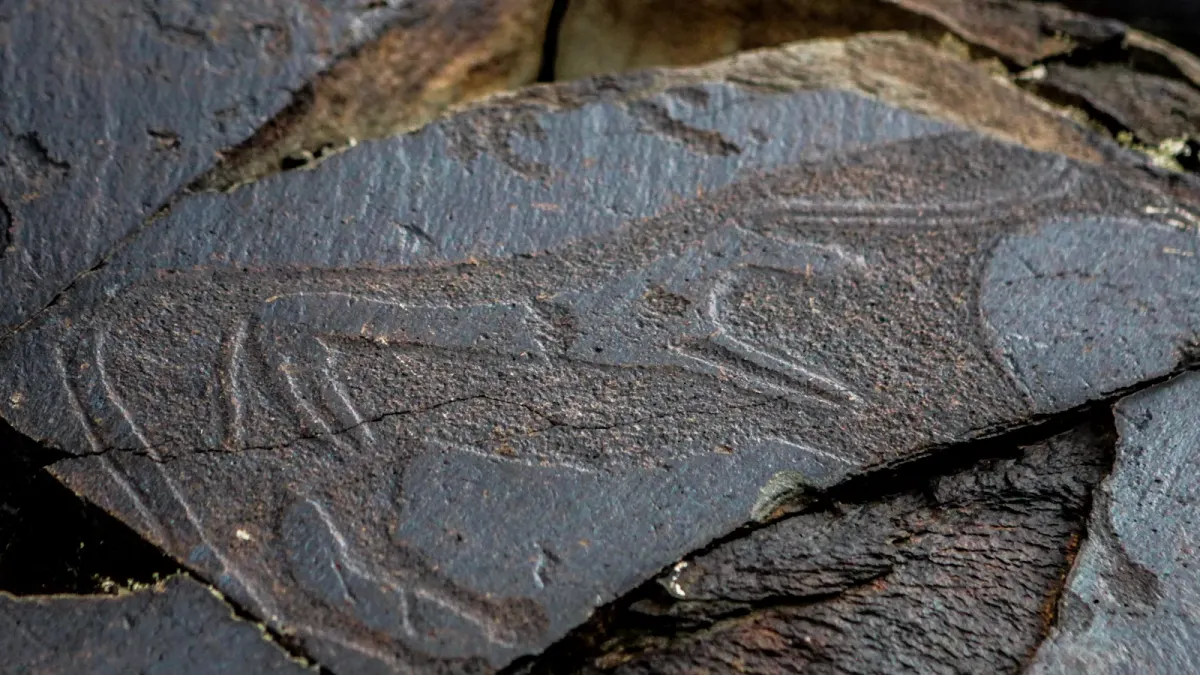
Cover: Petroglyphs at Tanbaly, photographed by Ninaras, CC BY-SA 4.0. Adapted for this page: cropped to a wide frame and lightly contrast-adjusted. This adapted image is shared under CC BY-SA 4.0.

Which Kazakhstan attractions fit a first trip?
Most first-time visitors should choose one of five route families and treat every other attraction as a future trip. The minimum shapes below are planning allowances, not promised transport times.
| Base or gateway | Best fit | Strong first choices | Minimum useful shape | Verify before payment |
|---|---|---|---|---|
| Almaty | First visit with varied nature | City sights, Ile-Alatau foothills, Charyn, Kolsai and Kaindy | City plus one or two separate outings | Park access, transfer endpoint, walking distance, weather |
| Turkestan / Shymkent | Architecture and Silk Road context | Yasawi complex, city museums, a separately arranged southern nature extension | Heritage city plus an optional regional add-on | Museum hours, site restrictions, intercity transport |
| Astana | Capital architecture and northern Kazakhstan | Central city sights, then Burabay if the extra transfer is worthwhile | City stay plus a distinct park extension | Live train or road plan, lodging, seasonal park conditions |
| Aktau | Remote desert and sacred landscapes | Mangystau rock mosques and operator-selected landscape stops | Multi-day expedition, not a casual day trip | Vehicle, water, route, access, communications, sleeping setup |
| Kyzylorda | Space-history priority | Legally arranged Baikonur facilities named in the written program | Dedicated, pre-authorized extension | Written access confirmation, included sites, passport deadline, refunds |
Do not combine bases because a map thumbnail makes them look close. Price the gateway transfer and the last mile separately. If either depends on one weekly departure, a permit or a weather-sensitive road, build the trip around that constraint.
Why does the Almaty route work for a first visit?
Almaty works because a visitor can keep city days flexible while choosing one mountain, lake or canyon commitment at a time. It is not evidence that every famous southeastern attraction belongs in one day.
The official Kazakh-language Ile-Alatau National Park site identifies Big Almaty Lake as one of the park’s locations and describes a protected landscape extending from steppe through alpine terrain. That supports the park and lake relationship. It does not tell you that an old road approach, checkpoint rule or vehicle drop-off remains available today.
Use the Big Almaty Lake guide for a dedicated access checklist. Keep Medeu and Shymbulak in the city-and-foothill category, and treat Charyn Canyon as its own drive commitment. A saved social-media itinerary is not current access evidence.
A practical sequence is:
- Keep the arrival day urban and recover from the flight.
- Put the most weather-sensitive outing on the first viable day.
- Hold a city or foothill option as the replacement plan.
- Add a second long outing only after checking the return time and next transfer.
This protects the trip from a common failure: paying for several distant departures that cannot move when weather, maintenance or park rules change.
Should you choose Kolsai, Kaindy or Big Almaty Lake?
Choose Kolsai Lakes and Lake Kaindy for a village-based park extension; choose Big Almaty Lake only after confirming the current permitted approach from Almaty. They are not interchangeable photo stops.
The official Kolsai Kolderi National Park site names three Kolsai lakes, Kaindy Lake, Saty Gorge and several marked routes. Its Kaindy route begins from Saty, includes dirt-road and checkpoint context, and continues on foot near the lake. The page also provides a current ticket link. Those details support an overnight-style local base and a last-mile check, not a guaranteed vehicle ride to the water.
Kaindy is described by the park as a young lake formed after ground movement associated with the 1911 Kemin earthquake. The dedicated Lake Kaindy access guide explains its mixed route from Saty. Kolsai is a chain rather than one viewpoint. Big Almaty Lake belongs to a different national park and has different access questions. Ask the operator to name the exact destination, walking section, park payment and pickup point instead of accepting “three lakes” as a complete itinerary.
If you want one easy comparison:
| Decision | Better starting choice |
|---|---|
| Sleep in Almaty and preserve flexibility | Ile-Alatau foothills or another confirmed near-city option |
| Accept a local overnight and longer last mile | Kolsai and Kaindy through Saty |
| Avoid uncertain walking or rough-road sections | A city or foothill day with a confirmed operating status |
When is Turkestan the better attraction choice?
Choose Turkestan when the trip should center on architecture, religious history and a coherent heritage city rather than maximum landscape variety. The Mausoleum of Khoja Ahmed Yasawi is the anchor.
The current UNESCO list for Kazakhstan records the mausoleum as a World Heritage property inscribed in 2003. It also records the Petroglyphs of the Archaeological Landscape of Tanbaly in 2004 and the transnational Silk Roads corridor in 2014. Inscription confirms heritage status; it does not supply today’s museum hours, prayer or event restrictions, ticket price or transport.
Plan Turkestan as a destination, not a hurried stop between unrelated regions. Pair it with Shymkent when the live rail or road plan works. Add Aksu-Zhabagly only as a separately verified reserve visit with its own guide and access arrangement. The Turkestan guide should resolve the city stay; the national attraction list should not pretend the reserve and mausoleum share one operating system.
Does Astana belong in every Kazakhstan itinerary?
Astana belongs when capital architecture, museums or a planned Burabay extension matter more than another southern nature day. It is optional on a short Almaty trip.
The current GOV.KZ Kazakh-language tourism overview presents Kazakhstan through modern cities, Silk Road sites, Baikonur, mountains, lakes, parks and reserves. That diversity is the reason to choose, not a reason to collect every region.
Use the Astana city guide to select two or three city anchors. If Burabay is the priority, price the northern transfer, park stay and return separately. Do not add Astana solely for one photograph of Baiterek when the domestic flight, airport transfer and lost half-days weaken the rest of the route.
This is also where rankings mislead. A capital landmark may be accessible and culturally useful without replacing a national park, and a park may be memorable without justifying a cross-country detour.
What makes Mangystau a different kind of attraction route?
Mangystau is a remote expedition with sacred-site responsibilities, not an unstructured drive between dramatic formations. Aktau is the gateway, but the core decision is the operator, vehicle and field plan.
UNESCO’s current Kazakhstan page lists Rock Mosques and Associated Sacred Sites of Mangystau as a cultural World Heritage property inscribed in 2026. That status supports the importance of the sacred landscape. It does not turn every online viewpoint, cliff edge or desert track into part of the inscribed property.
Before booking, require a written route that distinguishes sacred-site visits from landscape stops. It should name the vehicle, driver-rest plan, water, fuel, sleeping and bathroom setup, communication method, weather alternative and refund terms. Ask how the group will behave at active pilgrimage sites. A “4WD tour” label alone does not answer any of those questions.
See the Mangystau travel guide for the regional decision. If the route cannot explain how it handles a breakdown, extreme heat, wind or an access change, choose another operator or another region.
Can tourists visit Baikonur independently?
Treat Baikonur as a legal, pre-arranged visit and do not enter restricted or abandoned-looking infrastructure independently. Access confirmation must come before non-refundable transport.
The Kazakhstan Aerospace Committee’s 2024 page on how to enter Baikonur legally directs tourists toward an authorized route through the Baiterek joint venture and partner tour firms. It explicitly warns against illegal entry through dangerous areas.
The same page described a mobile access application as being in testing with a planned release later in 2024. That is historical development context, not evidence that the app is a working booking channel in August 2026. Use the current official contact path or an authorized operator and obtain a dated written confirmation.
The program should name the facilities you may actually enter. Launch access, a famous pad, a museum, a hotel and a general cosmodrome tour are different products. Verify the passport-data deadline, cancellation rule, launch-change policy and responsibility for permits. The Baikonur guide covers the dedicated planning questions.
Which UNESCO labels are current, and what do they not mean?
UNESCO currently lists seven World Heritage properties for Kazakhstan, but the list is not a ranking of the country’s seven best tourist attractions. Four are cultural and three are natural.
| Current inscription group | Properties on UNESCO’s Kazakhstan page |
|---|---|
| Cultural | Yasawi Mausoleum; Tanbaly petroglyphs; Mangystau rock mosques and sacred sites; Silk Roads corridor |
| Natural | Cold Winter Deserts of Turan; Saryarka steppe and lakes; Western Tien-Shan |
The same UNESCO page separates the Tentative List from inscribed properties. For example, Northern Tyan-Shan in Ile-Alatau National Park and the Medeu mudflow-protection engineering complex appear on that tentative list, not in the seven inscribed properties. “Tentative” should not be rewritten as “World Heritage Site.”
The old version of this guide linked a Kolsai tentative-list page as if it resolved current status. The current Kazakhstan state-party page does not include Kolsai among the displayed tentative properties, so this guide does not repeat that label. Check the live UNESCO page when inscription status matters.
How many regions fit into three, seven or fourteen days?
A short trip fits one base; a week fits one base plus one extension; two weeks can support two bases and one remote commitment. Flight and train dates can still make a simpler route better.
- Three to four days: stay with one base. Almaty offers the widest replacement options, while Turkestan works for a focused heritage visit.
- Seven to ten days: combine Almaty with one of Kolsai and Kaindy, Astana or Turkestan. Count transfer days honestly.
- Twelve to fourteen days: combine two bases, or one base with Mangystau or a confirmed Baikonur extension. Do not add both remote routes unless their fixed dates align before purchase.
Build the budget in KZT from dated inputs: gateway transport, last-mile transfer, access charge, guide or permit, remote lodging, meals and water, plus one changeable day. For live operational advice, use Kazakhstan travel tips, weather by month and the eSIM guide.
What should you verify before booking an attraction?
Verify the exact date, access point, walking section, inclusions and cancellation terms on the current official or operator page. A valid place name is not a complete product description.
Use this five-part check:
- Identity: exact park, entrance, route, museum room or cosmodrome facility.
- Last mile: paved road, dirt road, 4WD section, checkpoint, walking distance and pickup endpoint.
- Operating state: date-specific hours, weather, maintenance, trail or road closure and event restrictions.
- Responsibility: who handles permits, park payment, water, safety equipment and emergency contact.
- Commercial terms: KZT amount, deposit, minimum group, cancellation, substitution and refund rule.
For remote trips, confirm seat belts, vehicle condition, driver rest, fuel, water and communications. For mountain days, carry layers and set a turnaround time. These checks do more for a real itinerary than an unsupported list of exact drive minutes.
Sources
Five exact sources define the retained facts and their limits. Every Firecrawl evidence gate for these pages is complete, unread 0 and integrity-valid.
- GOV.KZ: Tourism in Kazakhstan
- Ile-Alatau National Park
- Kolsai Kolderi National Park
- UNESCO World Heritage Centre: Kazakhstan
- Kazakhstan Aerospace Committee: Legal access to Baikonur
Search previews were used only to discover exact pages. Promotional superlatives, old ticket prices, fixed bus and drive times, wildlife guarantees, stale access assumptions and generic international travel articles were not retained as evidence.
FAQ: Kazakhstan tourist attractions
The short answers keep attraction choice separate from current access, transport and permit checks.
Frequently Asked Questions
What are five strong attractions for a first Kazakhstan trip?
A balanced shortlist is Almaty and its foothills, Charyn Canyon, Kolsai and Kaindy, the Yasawi Mausoleum in Turkestan, and either Astana or a carefully planned Mangystau route. They do not fit one short circuit, so choose by base and available days.
How many UNESCO World Heritage properties does Kazakhstan have?
UNESCO's current Kazakhstan page lists seven: four cultural and three natural properties. A tentative-list entry is not an inscription, and World Heritage status is not a national attraction ranking.
Is Kolsai a UNESCO World Heritage Site?
The current UNESCO Kazakhstan page does not list Kolsai among the country's seven inscribed properties or the tentative properties displayed there. Kolsai remains a national-park destination regardless of that label.
Can I visit Baikonur without a tour?
Treat access as pre-arranged and authorized. Kazakhstan's Aerospace Committee warns against illegal entry and directs visitors toward authorized arrangements. Confirm the exact facilities and permit status before buying non-refundable transport.
How many days do I need for Kazakhstan's main attractions?
Use three to four days for one base, seven to ten days for one base plus one extension, and roughly two weeks for two bases or one remote expedition. Live transport dates can require a simpler route.
When should I visit Kazakhstan attractions?
There is no single best month for every region. Check the exact week's temperature, precipitation, road, trail and operating status, then keep a city or foothill replacement for the most weather-sensitive day.
Last verified: 22 August 2026. Prices, schedules, park access, permits, road conditions and weather still require a date-specific check.
Google Preferred Sources
See more Kazakhstan stories in Google
Add About Kazakhstan as a preferred source to find more of our fresh, relevant stories in Google Search.
More Stories
travel
Kazakhstan Airports: Choose ALA, NQZ or a Regional Gateway
Choose the right Kazakhstan airport for your itinerary. Compare Almaty ALA, Astana NQZ and regional gateways, terminal transfers and official live checks.
travel
Almaty Restaurants: 3 Current Picks and How to Choose
Choose an Almaty restaurant by intent: Sandyq for Kazakh cuisine, NAVAT for a multi-branch chaikhana, or AUYL for a Medeu destination meal.
travel
Atyrau, Kazakhstan: Things to Do & Saraishyq Guide
Plan a short Atyrau stay around the Zhayyk riverfront and Saraishyq, with honest sightseeing scope, live transport checks, hotels, weather, and local sources.
travel
Cities in Kazakhstan: 90 Cities and Major City Guide
Cities in Kazakhstan ranked by size and travel value: Almaty, Astana, Shymkent, Karaganda and more, with May 2026 stat.gov.kz population data.
Plan the Next Step
food
Beshbarmak Recipe: How Kazakh Et Is Served
A source-checked guide to Kazakh et, widely called beshbarmak: what is on the platter, a practical home recipe, regional differences, and guest etiquette.
food
Popular Food in Kazakhstan: 15 Foods and Drinks to Try
Popular food in Kazakhstan explained: 15 Kazakh dishes and drinks, what each contains, how meals are served, and what to ask before ordering.
travel
Things to Do in Kazakhstan: 13 Places Worth Your Time
Choose the best things to do in Kazakhstan by trip length: Almaty, Charyn, Kolsai, Astana, Turkestan, Tamgaly, Altyn-Emel, food, and Nauryz.
travel
12 Best Day Trips from Almaty: Complete Guide 2026
Best Almaty day trips — Charyn Canyon, Big Almaty Lake, Kolsai Lakes, Tamgaly petroglyphs, Altyn-Emel. Distances, costs, and how to get there.
travel
Kazakhstan Travel Cost Index 2026: Prices in 20 Cities
Compare official 2026 hotel, bus, cinema, fuel and grocery prices across 20 Kazakhstan cities. Use the city comparison tool and download the CSV/JSON dataset.
travel
Shymbulak Ski Resort: Tickets, Lessons and Day-Trip Planning
Plan a Shymbulak ski or sightseeing day from Almaty: choose lift access, lessons, rental, transport and current operating checks.

Creator of About Kazakhstan
Tugelbay Konabayev is a digital marketer and content strategist from Aktobe, Kazakhstan, and the creator of About Kazakhstan. The site's research guides bring together local-language and primary sources for English-speaking readers. Sources and review dates identify what each article can support.