Things to Do in Kazakhstan: 13 Places Worth Your Time
Reported from the ground: Tugelbay Konabayev is a Kazakh native (born in Aktobe) who has lived 7 years in Almaty and 4 in Astana. About the author.
In this article17 sections
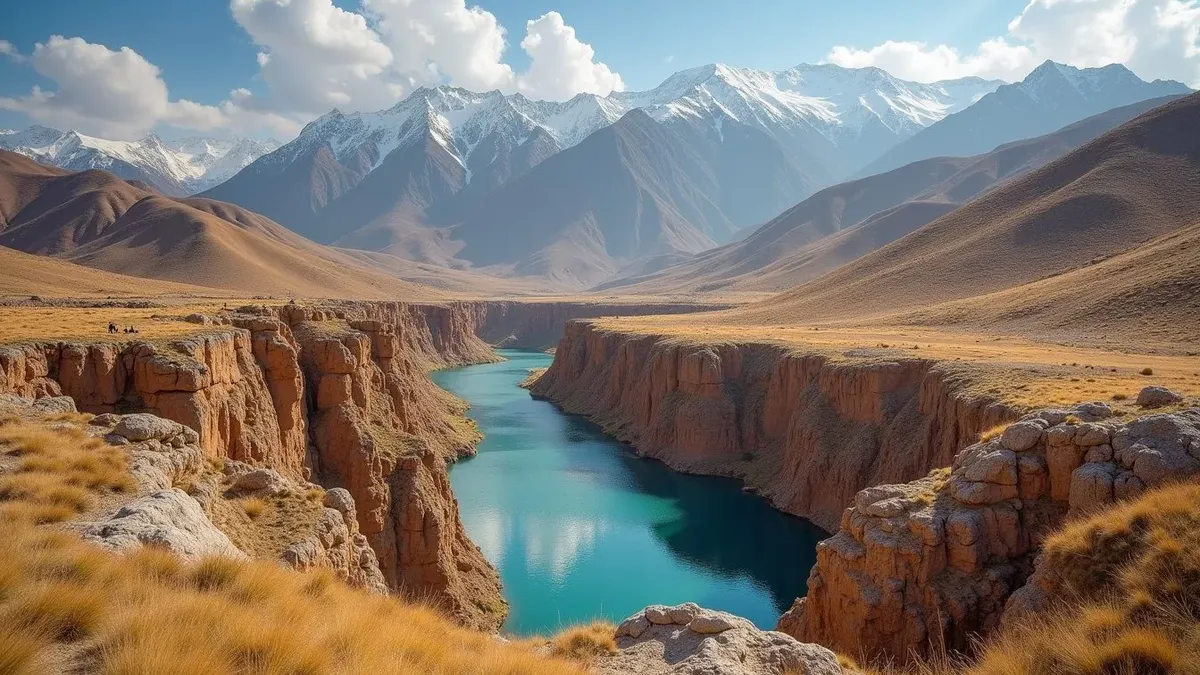
For a first trip, the best things to do in Kazakhstan are to spend two days in Almaty, take one day trip to Charyn Canyon, stay overnight near Kolsai and Kaindy lakes, then add Astana or Turkestan. That is a better introduction than trying to collect distant landmarks on one rushed route. Kazakhstan’s distances are the main planning constraint: choose one regional cluster first, then add another only if your calendar allows it.
This guide was rebuilt around current official Kazakh and Russian sources, UNESCO records, and live operator portals checked on August 21, 2026. Prices are not frozen into the article because park fees, train fares, lifts, and tours change. Each section tells you where to make the final live check.
The Shortlist
| Experience | Best for | Time to allow | Check before leaving |
|---|---|---|---|
| 1. Almaty city | Food, parks, museums, an easy first day | 1 day | Opening hours for the places you choose |
| 2. Medeu and Shymbulak | Mountain access close to Almaty | Half to full day | Lift status, weather, and tickets on the official Shymbulak site |
| 3. Charyn Canyon | A direct landscape day trip | Full day | Park alerts and road conditions |
| 4. Kolsai and Kaindy lakes | Lakes, forest, hiking, village stay | 2 days | Park rules, tickets, trail and road status |
| 5. Altyn-Emel National Park | Desert, geology, archaeology | 2 days | Visitor rules, route access, accommodation |
| 6. Astana | Contemporary architecture and museums | 2 days | Current events and attraction hours |
| 7. An intercity train | Seeing the scale between regions | 1 travel night or day | Exact train, station, and timetable on KTZ |
| 8. Burabay National Park | Lakes and low mountains near the capital region | 1–2 days | Fire, weather, and temporary route closures |
| 9. Turkestan | Timurid architecture and Silk Road history | 1–2 days | Museum and complex hours |
| 10. Tamgaly | Archaeology and rock art | Full day | Site access and heat conditions |
| 11. Falconry culture | Living heritage, when presented responsibly | Half to full day | Animal welfare, format, and what the visit actually includes |
| 12. Kazakh food | Everyday culture without extra travel | One meal or market visit | Dietary needs and menu language |
| 13. Nauryz | Public culture at the start of spring | At least 1 festival day | The city’s official event program |
What Fits Your Trip Length?
Three days
Stay in Almaty. Use one day for the city, one for Medeu and Shymbulak, and one for Charyn Canyon. Do not add Kolsai as a hurried same-day extra unless you are comfortable spending most of the day in a vehicle.
Seven days
Start with the three-day Almaty plan, then spend two days around Kolsai and Kaindy. Use the remaining time for Altyn-Emel or travel to Astana. Our seven-day Kazakhstan itinerary shows the route logic in detail.
Ten days
Combine southeast Kazakhstan with Astana, or fly south for Turkestan and Shymkent. This is enough time for two regional clusters without turning every day into a transfer.
Two weeks or longer
Add one remote region, not every remote region. Mangystau, Baikonur, eastern Kazakhstan, and the Altai each need separate research, transport planning, and weather checks. A useful two-week trip has depth; a country-wide checklist usually has airport lounges and long drives.
1. Start in Almaty
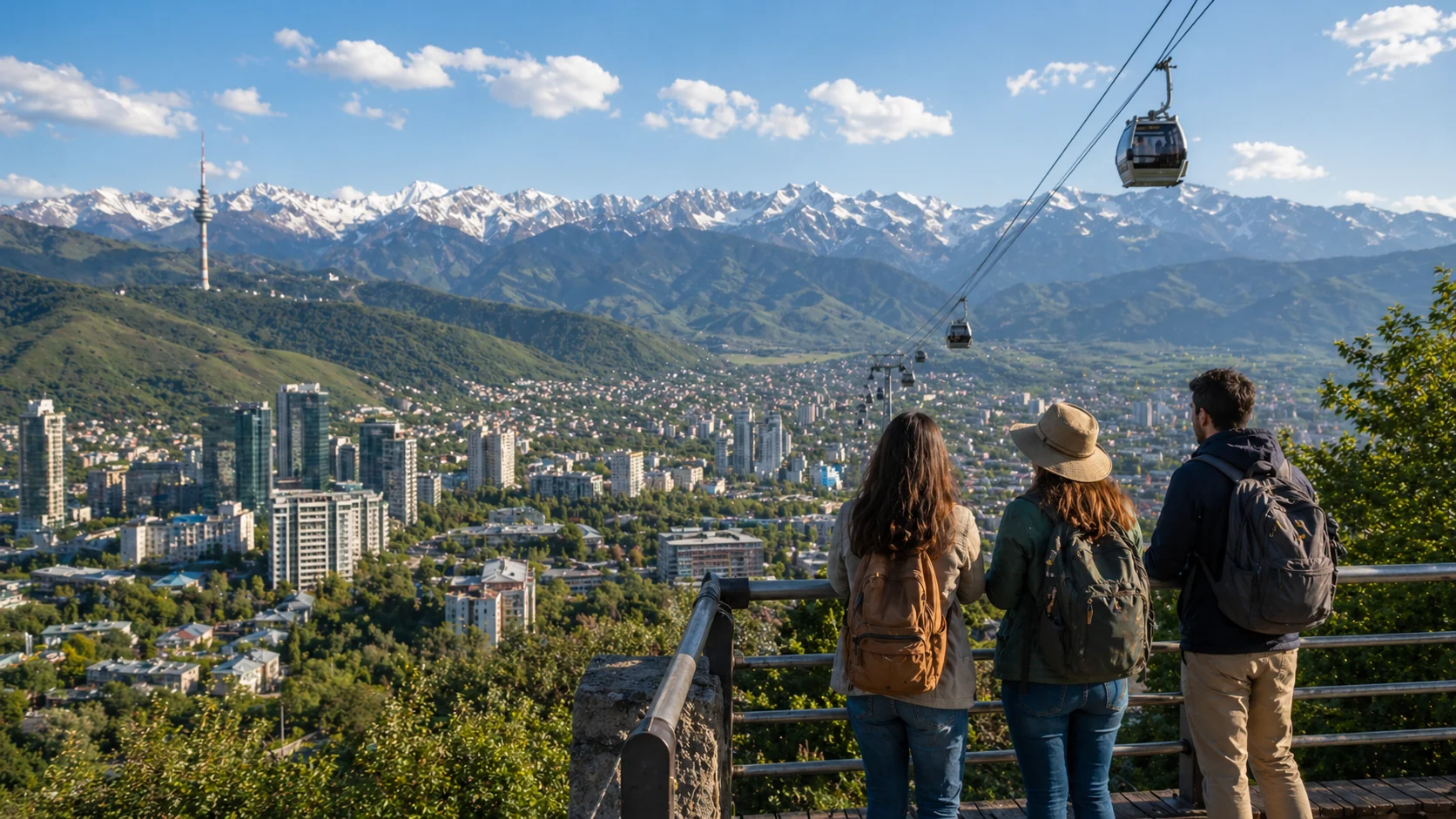
Almaty is the most practical first base for a short Kazakhstan trip. A city day and a mountain day require little route planning. In the center, pair Panfilov Park and the Ascension Cathedral with the Green Bazaar, then choose one museum or neighborhood rather than racing across the city.
The food stop matters. A market or a restaurant serving Kazakh dishes gives context for ingredients that recur throughout the trip: horse meat, lamb, dairy, dough, broth, tea, and dried fruit. Our Kazakh food guide explains dishes and ordering terms without pretending that one restaurant represents the whole country.
For a more detailed urban plan, use things to do in Almaty.
2. Go Up to Medeu and Shymbulak
Medeu and Shymbulak are the simplest way to add mountain scenery without leaving the Almaty area. Treat them as one flexible outing: check the weather and lift operation first, then decide how high and how long to stay.
The official Shymbulak website is the correct place for current tickets and operating information. During this review its public page did not expose reliable text to the research crawler, so this article does not repeat an elevation, lift price, ski-pass price, or opening time from an old snapshot. Check the live page on the day you go.
Summer and winter are different products. In snow season the focus is skiing and lifts; in warmer months it is views, walking, and access to higher terrain. Clothing and turnaround decisions should follow the forecast, not the temperature in central Almaty.
3. Give Charyn Canyon a Full Day
Charyn is the strongest single landscape trip from Almaty for a short itinerary. The commonly visited Valley of Castles is only one part of the park, so a tour marketed as “Charyn” may cover a short walk or a much longer program. Read the itinerary before comparing prices.
The Kazakhstan Forest and Wildlife Committee links to the official Charyn National Park site. Use the park source for current notices. Heat, wind, fire risk, road work, and conservation rules can change access even when a booking platform still sells the trip.
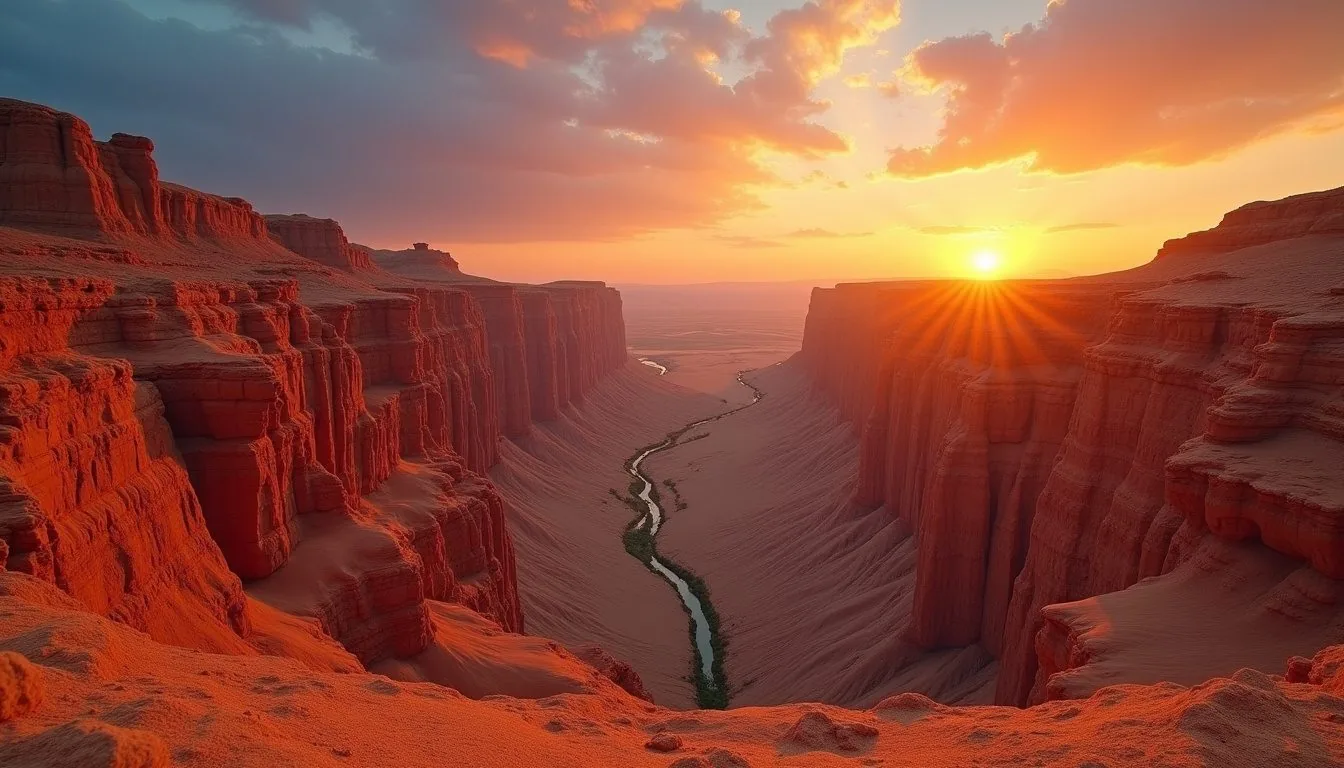
For routes and practical tradeoffs, see the full Charyn Canyon guide.
4. Stay Overnight for Kolsai and Kaindy
Kolsai Lakes and Lake Kaindy deserve an overnight stay rather than a rushed photo stop. The official Kolsai Lakes National Park site describes three Kolsai lakes and provides route, ticket, and visitor-rule sections. It also identifies Kaindy as a young lake formed after the 1911 earthquake and landslide, the event associated with its standing submerged trees.
A sensible visit uses Saty or nearby accommodation as a base. Day one can cover Kaindy and the lower Kolsai area; day two leaves room for a longer walk or a slower return. Trail difficulty, horse access, and road conditions should be checked locally because rain and seasonal damage change the trip.
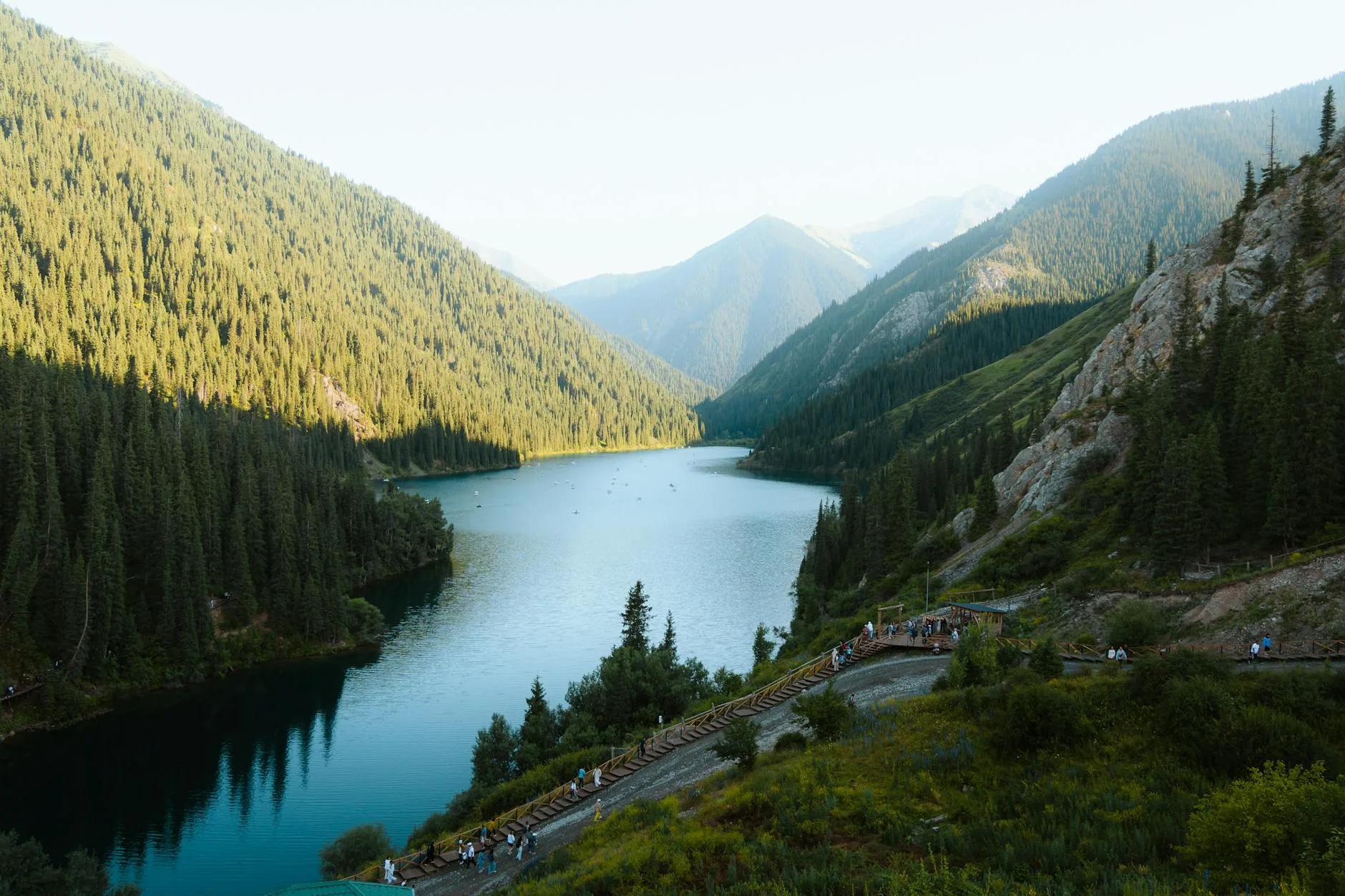
Use the separate Kolsai and Kaindy guides for their different route choices. The park’s own website should remain the final authority for current access.
5. Choose Altyn-Emel for Desert and Archaeology
Choose Altyn-Emel when you want desert, geology, and archaeology instead of another lake day. Start with the dedicated Altyn-Emel National Park guide to separate the Basshi and Shengeldy approaches. The official national park site remains the live source for services and accommodation.
Those places are spread across a protected area. Ask a driver or tour company exactly which route is included and whether the vehicle is appropriate for it. A one-day program may cover only one side of the park; two days give more useful time on site.
Avoid copying a generic “park permit included” line from a reseller. Confirm the entry arrangement, route, meals, water, accommodation, and return point in writing.
6. Spend Two Days in Astana
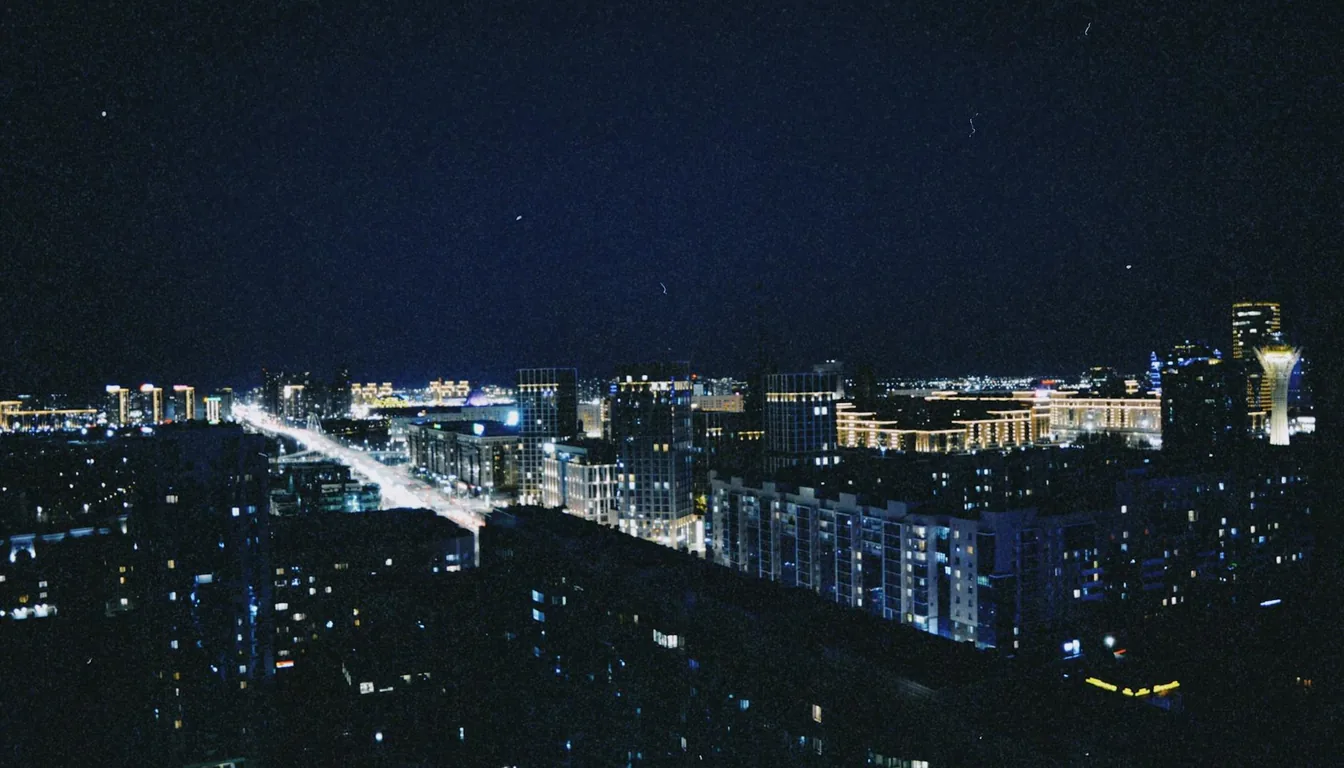
Astana is worth two days when you want a clear contrast with Almaty. The capital combines planned avenues, monumental civic architecture, museums, riverfront space, restaurants, and an active event calendar.
The official Visit Astana portal maintains attraction listings, an interactive map, transport and visa information, city and weekend tours, free programs, gastronomy, and dated events. Use it to build the current version of the trip rather than relying on a landmark list copied years ago.
A balanced two-day plan uses one day for the central architectural cluster and one for museums, food, or a current exhibition. Our Astana guide provides a neighborhood-based plan.
7. Take a Train When the Route Makes Sense
Take an intercity train when its live timetable fits the route, not because an old guide calls it an overnight journey. The official Kazakhstan Railways ticket portal provides ticket search, schedules, routes, boarding documents, returns, carriage information, and passenger guidance.
Do not trust a fixed “12-hour overnight train” claim. Different services use different stations and running times. On August 21, 2026, the KTZ portal was also carrying a notice that passenger boarding and alighting at Almaty-1 had been temporarily suspended during modernization work. That is exactly why the station and train number must be checked again before departure.
Choose rail when it saves a hotel night or provides a convenient city-to-city transfer. Fly when the train would consume a large share of a short trip. The Almaty-to-Astana guide compares the options, but KTZ remains the source for the live journey.
8. Use Burabay as the Nature Add-On to Astana
Burabay is the most convenient nature add-on to an Astana segment. It combines lakes, forest, and low mountain terrain in Akmola Region. Choose one shoreline or marked-route cluster, then use the park’s current rules and contacts rather than an old attraction list.
Check current access immediately before a hike. A trail mentioned in a timeless travel guide may still be closed or unsuitable on the day of your visit.
Burabay can be a long day from Astana, but an overnight stay is better if hiking or time by the lake is the point of the trip.
9. Go to Turkestan for the Yasawi Mausoleum
The Mausoleum of Khoja Ahmed Yasawi is the clearest reason to include Turkestan in a first southern route. UNESCO’s World Heritage record dates the building campaign to 1389–1405, initiated under Timur. UNESCO describes it as a large, well-preserved Timurid construction that remained unfinished and records its inscription in 2003 under criteria (i), (iii), and (iv).
The monument deserves time beyond an exterior photograph. Allow for the complex and museum interpretation, then decide whether to add Sauran, Otrar, or Shymkent based on transport rather than stacking all three automatically.
Turkestan works best as its own southern segment. Combining it with Almaty is possible, but it is not an Almaty day trip.
10. Read the Landscape at Tamgaly
Tamgaly is an archaeological landscape, not a decorative rock-art stop. UNESCO records about 5,000 petroglyphs, associated settlements and burials, and 48 complexes within a core area of roughly 900 hectares. The material ranges from the second half of the second millennium BCE to the early twentieth century. The site was inscribed in 2004 under criterion (iii).
A guide is useful because the value lies in sequence, placement, and ritual landscape, not just spotting individual figures. Carry water, protect yourself from sun, and avoid touching or tracing the carvings.
Tamgaly is often confused with other places called Tamgaly-Tas. Confirm the exact archaeological site before booking transport.
11. Approach Falconry as Living Heritage
Treat falconry as living heritage and an animal-welfare decision, not as a guaranteed hunting spectacle. UNESCO’s current falconry record includes Kazakhstan in a multinational inscription updated in 2021. UNESCO defines falconry as the traditional practice of training and flying falcons and sometimes other birds of prey, notes a history of more than 4,000 years, and emphasizes transmission, care for birds, habitats, and supporting conservation institutions.
That framing is more useful than selling an “authentic eagle hunt.” Before booking, ask:
- Is this an educational meeting, a staged demonstration, or an actual hunt?
- How is the bird housed, transported, and handled?
- Who is the practitioner, and what will they explain?
- Is photography with the bird optional?
- What happens if weather or animal welfare makes flying unsuitable?
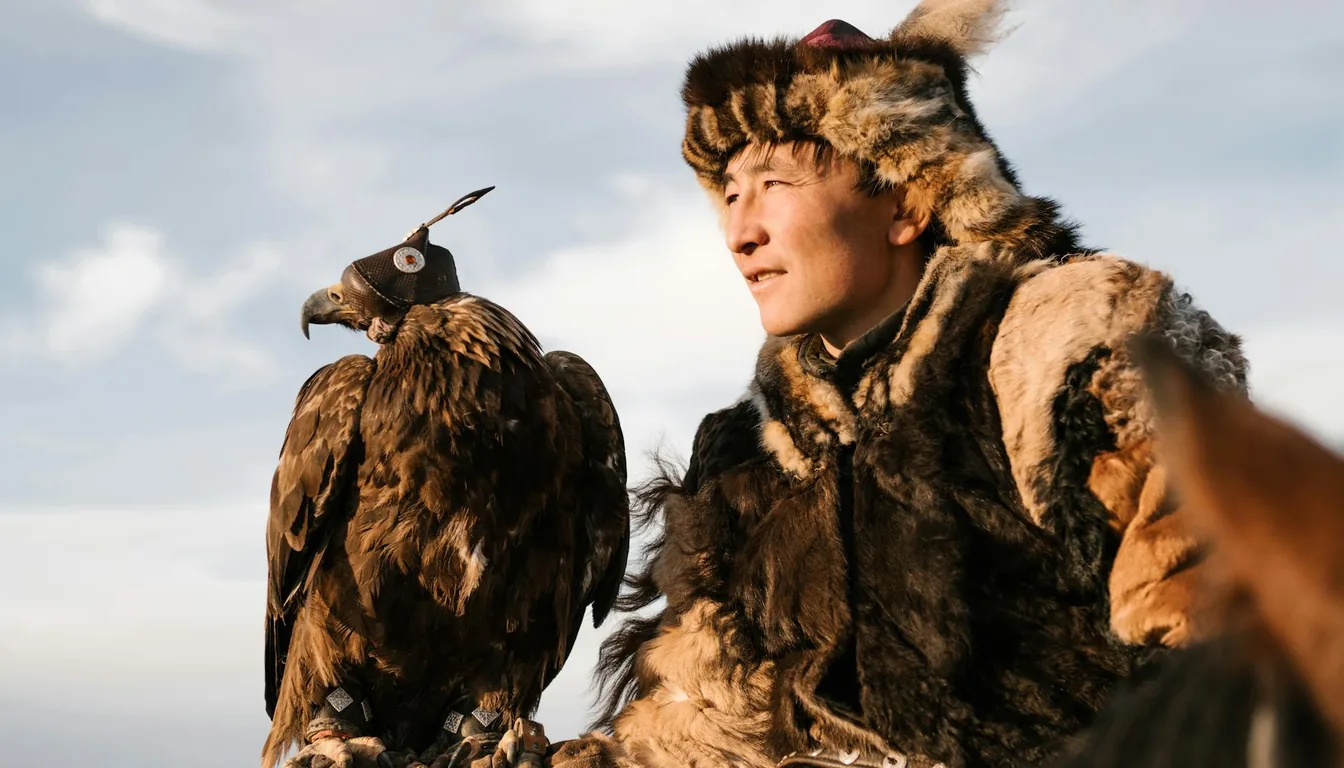
Our eagle hunting guide explains the cultural vocabulary and ethical questions in more depth.
12. Make Time for Kazakh Food
A focused Kazakh meal is one of the easiest cultural experiences to add to any itinerary. Try a sequence instead of ordering every famous dish at once: a broth or soup, one main dish, tea, and a sweet or fried-dough accompaniment.
Useful dishes to recognize include beshbarmak, kuyrdak, manty, baursak, kazy, and regional forms of plov. Ask what meat is used and whether the portion is intended for one person or a group. Vegetarian choices are easier in Almaty and Astana than in small settlements, but clear questions still matter.
Markets are good for seeing ingredients; restaurants are better for dishes that need time and explanation. A homestay can be valuable when it is a real hosting arrangement with clear expectations, not a performance marketed as access to a “nomadic family.”
13. Plan Around Nauryz if Your Dates Align
Plan around Nauryz when your trip falls at the start of spring. The celebration includes meals, family visits, public rituals, and street performances. UNESCO’s Representative List includes the shared tradition under its many regional names, with Kazakhstan among the participating countries in the 2016 inscription.
The useful planning rule is simple: check the city program, because public events, locations, and road closures change each year. Almaty, Astana, Turkestan, and regional centers do not run identical schedules. Our Nauryz guide covers the customs; the municipal program should decide your actual day.
Before You Book: Four Live Checks
1. Entry rules
Do not rely on a copied count of “visa-free countries.” Rules differ by passport, purpose, and length of stay. Kazakhstan’s official e-Visa guide says the electronic process is handled through the official visa-migration portal and lays out eligibility, visa support, application, fee, and issuance steps. Check your own nationality and travel purpose through official channels before buying non-refundable transport.
2. Park access
Read the national park’s latest news or visitor page. Fire, snow, heat, maintenance, and conservation measures can close a route without closing the whole park.
3. Transport
Confirm the exact station, departure time, arrival time, baggage rule, and cancellation terms on the operator’s own portal. Screenshots from a reseller are not a timetable.
4. Tour scope
Get the route in writing. Ask what is included, which permits are handled, how much walking is expected, which language the guide uses, and what the cancellation rule is. This article does not invent a universal deposit percentage or cancellation window because no such standard applies across Kazakhstan’s operators.
Sources Used for This Update
The principal evidence layer was checked on August 21, 2026:
- Kazakhstan Forest and Wildlife Committee
- Kolsai Lakes National Park
- Altyn-Emel National Park
- Burabay National Park visitor rules
- Burabay trip-planning guide
- Kazakhstan Railways
- Visit Astana
- Kazakhstan e-Visa guide
- UNESCO records for Yasawi, Tamgaly, falconry, and Nauryz
Frequently Asked Questions
What is the best thing to do in Kazakhstan for a first visit?
Use Almaty as the first base, spend one day in the city and one in the mountains, then choose Charyn Canyon or a two-day Kolsai and Kaindy trip. This gives a useful mix of city, food, and landscape without excessive transfers.
How many days do you need in Kazakhstan?
Seven days is a practical minimum for Almaty plus one nature cluster and a second city or park. Ten days allows two regional clusters. Two weeks lets you add one remote region without spending most of the trip in transit.
Can you travel around Kazakhstan without a tour?
Yes in Almaty, Astana, Turkestan, and on major rail routes. A driver or guide is more useful for parks with dispersed routes, difficult roads, permit procedures, or limited public transport. Check each park and transport operator directly.
What is the best season for Kazakhstan?
Choose the season by activity. Late spring and early autumn suit many city, canyon, and steppe trips; summer is easier for higher mountain routes; winter is for skiing and cold-weather city travel. Check the specific park or resort because snow, heat, fire risk, and maintenance affect access.
Do I need a visa for Kazakhstan?
It depends on your passport, purpose, and stay length. Do not use a generic country count. Check Kazakhstan's official visa and e-Visa channels for your nationality before booking non-refundable travel.
Is Astana worth adding to an Almaty trip?
Yes if you have at least seven to ten days and want contemporary architecture, museums, events, and a clear contrast with Almaty. With only three or four days, staying in the Almaty region usually produces a less rushed trip.
Research and text last verified: August 21, 2026.
Last reviewed: August 2026.
Google Preferred Sources
See more Kazakhstan stories in Google
Add About Kazakhstan as a preferred source to find more of our fresh, relevant stories in Google Search.
More Stories
travel
Atyrau, Kazakhstan: Things to Do & Saraishyq Guide
Plan a short Atyrau stay around the Zhayyk riverfront and Saraishyq, with honest sightseeing scope, live transport checks, hotels, weather, and local sources.
travel
Kazakhstan Travel Tips: 25 Things to Know
Essential Kazakhstan travel tips for 2026 — visa, money, transport, SIM cards, culture, safety, food, and packing advice for first-time visitors.
travel
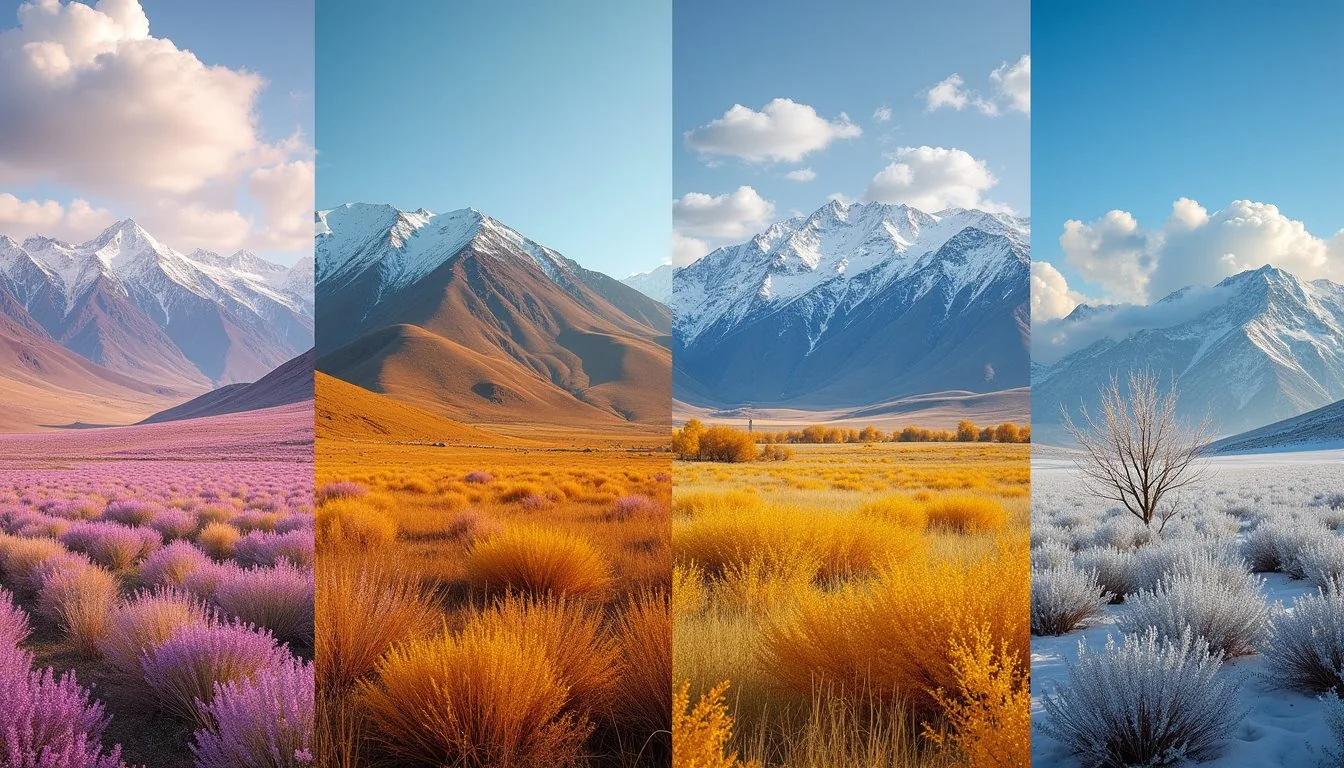
Best Time to Visit Kazakhstan: Month-by-Month Guide (2026)
Choose when to visit Kazakhstan with a 12-month route planner, regional season advice, mountain-access checks, and sourced public holiday dates.
travel
Kazakhstan Tourism Guide: Routes, Visas & Best Places
Plan Kazakhstan tourism with first-trip routes, the best places by region, seasonal advice, visa checks, transport, safety and realistic trade-offs.
Plan the Next Step
travel
Kazakhstan Tourist Attractions: Choose the Right First-Trip Route
Compare Kazakhstan tourist attractions by base and logistics: Almaty nature, Turkestan heritage, Mangystau, Astana, Baikonur, and more.
food
Beshbarmak Recipe: How Kazakh Et Is Served
A source-checked guide to Kazakh et, widely called beshbarmak: what is on the platter, a practical home recipe, regional differences, and guest etiquette.
culture
Women in Kazakhstan: Rights, Work and Daily Life in 2026
Source-checked guide to women in Kazakhstan: current legal rights, dated work and wage data, marriage statistics, safety, and respectful language.
travel
12 Best Day Trips from Almaty: Complete Guide 2026
Best Almaty day trips — Charyn Canyon, Big Almaty Lake, Kolsai Lakes, Tamgaly petroglyphs, Altyn-Emel. Distances, costs, and how to get there.
travel
Shymkent Travel Guide: City Sights, Food & Day Trips
Plan a Shymkent visit with reliable city clusters, food choices, Turkestan and Sayram options, live transport checks, and heat-aware itineraries.
travel
eSIM Kazakhstan: Setup, Coverage & Local SIM Guide
Choose and set up an eSIM for Kazakhstan, understand local operator registration, coverage limits, IMEI rules, and what to do after landing.

Travel Writer & Local Expert · Almaty, Kazakhstan
Tugelbay Konabayev is a Kazakhstan-based travel writer who has lived in Almaty for 7+ years and Astana for 4+ years. He grew up in Aktobe, Kazakhstan and has covered Kazakh travel, food, culture, and visa policy with first-hand reporting since 2023.