Astana 3-Day Itinerary 2026: What to Do, Costs & Local Tips
Reported from the ground: Tugelbay Konabayev is a Kazakh native (born in Aktobe) who has lived 7 years in Almaty and 4 in Astana. About the author.
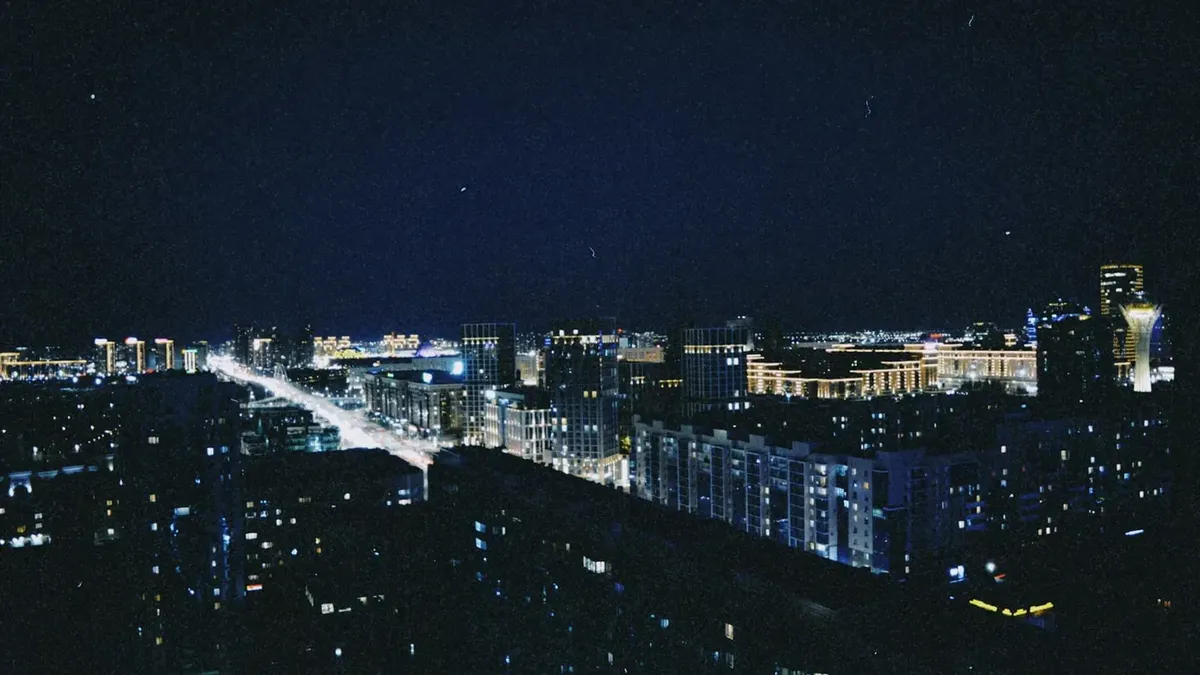
In this article12 sections
Three days is the right amount of time to see Astana properly: Day 1 covers the modern landmark trio (Bayterek Tower, Khan Shatyr, Nur-Astana Mosque), Day 2 is for the EXPO 2017 district plus Hazret Sultan Mosque and the National Museum, Day 3 leaves room for the riverbank walk along Yesil, the Atameken miniature park, and a half-day buffer for shopping or local food. Budget $30-80 per day depending on hotel choice; total 3-day cost ranges from $250 (hostel + transit) to $600 (4-star hotel + private guide). Per Wikipedia’s entry on Astana, the city has been Kazakhstan’s capital since 1997 with a population of approximately 1,426,000 in 2026, most attractions sit on the Left Bank in a planned, walkable cluster designed by Norman Foster and Kisho Kurokawa. I have lived in Astana 4+ years and can confirm 3 days fits without rushing.
Quick Facts
- Total budget: $250-600 for 3 days (hostel-to-4-star spectrum)
- Best season: May-September (Astana winters reach -25°C)
- Airport: Nursultan Nazarbayev International (NQZ), 17 km from centre
- Currency: Tenge (KZT), ~525/USD in 2026
- Visa: 87 MFA ordinary-passport entries are visa-free; 65 receive 30 days
- Main attractions area: Left Bank (planned modern district)
- Walking: Most Day 1-2 sights are 5-15 min apart by foot
- Language: Russian widely spoken, Kazakh official, English limited
- Author: 4+ years Astana resident
Headline Itinerary
| Day | Theme | Key sights | Walking time | Approx cost |
|---|---|---|---|---|
| Day 1 | Modern landmarks | Bayterek, Khan Shatyr, Nur-Astana Mosque | 4-5 hours | $25-40 |
| Day 2 | Culture & history | Hazret Sultan Mosque, National Museum, Palace of Peace | 5-6 hours | $20-35 |
| Day 3 | EXPO + relaxed walk | EXPO district (Nur Alem Sphere), Atameken park, Yesil riverbank | 4-5 hours | $25-40 |
Hotels add $40-150/night on top.
Day 1, The Three Modern Landmarks
Day 1 covers Astana’s three most-photographed buildings: Bayterek Tower (97m, the city’s symbolic centre), Khan Shatyr (the world’s tallest tensile structure at 150m, designed by Norman Foster), and Nur-Astana Mosque (Central Asia’s largest at the time of completion in 2005). All three sit within a 2 km walking corridor on the Left Bank. Start early at Bayterek for the panoramic view, then walk west to Khan Shatyr for lunch in its mall and entertainment complex, then take a 10-minute taxi to Nur-Astana Mosque before sunset.
Morning, Bayterek Tower
The 97-metre tower is Astana’s “tree of life” symbol and the city’s central viewpoint. The number 97 references 1997, the year Astana became the capital. Inside the golden orb at the top, a handprint of the first president Nursultan Nazarbayev sits on a marble pedestal, placing your hand inside is a tradition for first-time visitors.
- Cost: 2,000 KZT (about $4) entry
- Hours: 10:00-22:00 daily
- Best time: Morning (less queue, better light)
- Time needed: 1-1.5 hours
- Address: Nurzhol Boulevard
Midday, Khan Shatyr
Per Wikipedia’s entry on Khan Shatyr, this 150-metre tensile structure designed by Norman Foster opened in 2010 as the world’s largest tent. Inside is a shopping mall, water park (with sand from the Maldives), and food court. Free entry to walk around; the indoor “beach” requires separate ticket.
- Cost: Free entry to mall; sand beach 6,000-8,000 KZT (about $12-15)
- Time needed: 2 hours (lunch + browse)
- Lunch tip: Try AUYL or Astana Nights inside for traditional Kazakh dishes
Late afternoon, Nur-Astana Mosque
Before the larger Hazret Sultan Mosque opened in 2012, this was the largest in Central Asia. The 40-metre dome and four 63-metre minarets reference symbolic numbers (40 = age of Prophet Muhammad at revelation; 63 = age at death). Modest dress required for women (headscarf provided at entrance).
- Cost: Free
- Hours: Open during prayer times; tourist entry 09:00-18:00
- Time needed: 30-45 minutes
- Etiquette: Remove shoes; no photos during prayers
End of Day 1: Total walking 4-5 hours, ~5 km. Cost around $25-40 including light lunch and entry tickets.
Day 2, Culture, Mosque & Museum
Day 2 is for cultural depth: start at the Hazret Sultan Mosque (Central Asia’s largest, opened 2012), then walk 800m east to the National Museum of Kazakhstan (one of the largest in Central Asia, 74,000 m²), and end at the Palace of Peace and Reconciliation (the Foster-designed pyramid). All three are within a 1.5 km radius on the Left Bank. Allow 5-6 hours for a thorough visit; this is the most museum-heavy day so plan for sit-down rest mid-day.
Morning, Hazret Sultan Mosque
According to the Astana City Tourism authority, the mosque opened on the Astana Day in 2012 and accommodates up to 10,000 worshippers across its main hall and outdoor plaza. The architecture blends classical Islamic design with Kazakh ornamental motifs. Photography permitted in exterior; restrictions inside during prayer.
- Cost: Free
- Hours: 09:00-21:00 (closed during Friday prayer noon-13:00)
- Etiquette: Modest dress required; headscarves provided
- Time needed: 1 hour
Midday, National Museum of Kazakhstan
The museum opened in 2014 with seven thematic halls covering everything from Bronze Age archaeology to modern Kazakhstan’s independence. The Hall of Gold (Altyn Zal) houses the famous Golden Man (a Saka warrior from 4th century BC), see our full Golden Man Kazakhstan guide for context.
- Cost: 1,000-2,000 KZT (about $2-4) depending on exhibits
- Hours: Tue-Sun 10:00-19:00 (closed Monday)
- Time needed: 2-3 hours minimum
- Audio guide: English available, 1,500 KZT extra
Late afternoon, Palace of Peace
The 62-metre pyramid was designed by Norman Foster and opened in 2006 to host the Congress of Leaders of World and Traditional Religions. The interior includes an opera hall, exhibition spaces, and a glass observation deck at the apex. Tours on request via the Astana City tourism office.
- Cost: 500-1,000 KZT (about $1-2) for guided tours
- Hours: 09:00-18:00 (tours 11:00, 14:00, 16:00)
- Time needed: 1 hour with tour
- Best time: Late afternoon for golden hour photos outside
End of Day 2: Total walking 3-4 hours plus 2-3 hours indoor museum time. Cost around $20-35.
Day 3, EXPO District, Atameken & Riverbank
Day 3 is the most relaxed day: the EXPO 2017 district (organized around the spherical Nur Alem Museum), the Atameken miniature park (Kazakhstan’s main attractions in scale model form), and a sunset walk along the Yesil (Ishim) river. EXPO is on the Right Bank and requires a 15-minute taxi from the central Left Bank cluster. This day has the most flexibility for shopping, coffee breaks, or hotel time, adjust based on weather and energy.
Morning, EXPO 2017 District
According to the Astana International Financial Centre which now occupies parts of the EXPO grounds, the Nur Alem Sphere is 100 metres tall and the world’s largest spherical building, originally built as the Kazakhstan pavilion for EXPO 2017. The building is now an interactive science museum with eight floors of exhibits on renewable energy.
- Cost: 3,500 KZT (about $7) for full Nur Alem entry
- Hours: 10:00-19:00 Tue-Sun
- Time needed: 2-3 hours
- Other EXPO sights: Park views, sculpture installations, Hyatt Regency for coffee
Midday, Atameken Park
A miniature replica park covering all major attractions in Kazakhstan in 1:25 scale: Bayterek (Astana), Medeu (Almaty), Charyn Canyon, Aktau, Khoja Ahmed Yasawi Mausoleum, and dozens more. Excellent for understanding the country’s geography in 1.5 hours.
- Cost: 1,000 KZT (about $2)
- Hours: 10:00-21:00 May-September
- Time needed: 1-2 hours
- Best for: Families with kids; geography overview before deeper Kazakhstan trips
Late afternoon, Yesil Riverbank Walk
The Yesil (Russian: Ishim) river splits Left and Right Banks. The promenade between the Pyramid of Peace and the EXPO district has paved paths, benches, food kiosks, and outdoor sculpture. Sunset light hits Bayterek and Khan Shatyr from this angle perfectly.
- Cost: Free
- Length: 3-5 km depending on starting point
- Time needed: 1-2 hours
- Tip: Get coffee from one of the riverside kiosks; sit on benches near the bridges
End of Day 3: Optional dinner, Lina Brava (Italian-Kazakh fusion), Roof Astana (rooftop), or Mama Tao (Asian fusion) all within 10 min taxi of EXPO.
Where to Stay
| Tier | Approx. cost/night | Recommended areas |
|---|---|---|
| Hostel / capsule | $15-25 | Left Bank near Bayterek |
| Budget hotel | $40-70 | Esil district, near Astana Mall |
| Mid-range hotel | $80-120 | Triumph Astana area, Hilton Garden Inn |
| Luxury 5-star | $150-300 | St. Regis Astana, Ritz-Carlton, Rixos President |
Booking.com has the broadest selection and the clearest cancellation rules for international visitors.
Getting Around
Astana’s visitor sights form separate clusters, so walk within each cluster and use Tarlan LRT, buses or an app-based taxi between them. The official Visit Astana transport page now lists Tarlan Astana as an operating system connecting the airport, central districts and Nurly Zhol station. The official City Transportation Systems site, checked on September 1, 2026, displayed a July 2 notice that Tarlan Astana service had been restored plus a May passenger-safety notice for the LRT line. This supports current passenger operation, but not a guaranteed departure on your date. Visit Astana also lists more than 100 bus routes.
| Transport | When to use | Live check |
|---|---|---|
| Walking | Bayterek–Nurzhol, Independence Square or riverfront blocks | Weather and wind before leaving |
| Tarlan LRT | Airport corridor and stops close to the day’s cluster | Current service and last useful departure |
| Bus | Lower-cost transfers with enough time | Transcard, Avtobys, Yandex Go or 2GIS |
| App-based taxi | Cross-cluster rides, evenings, luggage or severe weather | Pickup point and fare inside the app |
Visit Astana lists Astra Plat and contactless bank cards for public-transport payment. Keep a backup method and check the live route on the day rather than copying an old fare or timetable. For arrival details and hotel-area logic, use the Astana travel guide.
Transport status verified: September 1, 2026.
Budget Breakdown (3 days, mid-range)
| Category | Daily cost | 3-day total |
|---|---|---|
| Hotel (mid-range) | $80 | $240 |
| Food (3 meals) | $20-30 | $60-90 |
| Transit (taxis + bus) | $5-10 | $15-30 |
| Entry tickets | $5-10 | $15-30 |
| Coffee + snacks | $5 | $15 |
| Souvenirs (one-time) | n/a | $20-50 |
| Total | $115-130 | $365-455 |
Budget travelers (hostel + bus + cheap food): $30-50/day = $90-150 for 3 days. Luxury travelers (5-star + private guide + restaurants): $200-400/day = $600-1200 for 3 days.
When to Visit
The best 3-day window for Astana is mid-May through mid-September. Outside this window, winter temperatures drop to -20 to -30°C with strong winds (Astana is famous for them); November and March are unpredictable. June through August offers stable weather, long days, and active outdoor culture along the riverbank. Per Kazhydromet (Kazakhstan’s national weather service), Astana averages 21°C in July and -15°C in January, see our Kazakhstan weather by month guide for full breakdown.
| Month | Temp range | Travel verdict |
|---|---|---|
| Jan-Feb | -20 to -10°C | Avoid unless you want frozen city aesthetic |
| Mar | -10 to +5°C | Variable; coats still required |
| Apr | 0 to +15°C | Shoulder, fewer crowds |
| May-Jun | +12 to +25°C | Optimal |
| Jul-Aug | +20 to +30°C | Optimal, peak season |
| Sep | +10 to +22°C | Optimal, fewer crowds |
| Oct | +2 to +12°C | Cool but bearable |
| Nov-Dec | -10 to 0°C | Heavy coats needed |
Combining Astana with Other Trips
If 3 days in Astana is part of a longer Kazakhstan itinerary:
- + Almaty (5 days) for full ski/mountain experience, see Kazakhstan 7-day itinerary
- + Burabay (1-2 days) for the “Kazakh Switzerland” national park, 3 hours drive from Astana
- + Mangystau (3-4 days) for the Mars-like landscapes, fly Astana → Aktau, see Mangystau guide
- + Charyn Canyon as Almaty side trip, see Charyn Canyon guide
FAQ
Frequently Asked Questions
What to do in Astana for 3 days?
Day 1: Bayterek Tower, Khan Shatyr, Nur-Astana Mosque (modern landmarks cluster). Day 2: Hazret Sultan Mosque, National Museum, Palace of Peace pyramid (culture/history). Day 3: EXPO 2017 district (Nur Alem Sphere), Atameken miniature park, Yesil riverbank walk. Total budget $250-600 depending on hotel tier.
Is 1 day enough for Astana?
Technically yes for the iconic shots (Bayterek + Khan Shatyr + Nur-Astana Mosque can fit in 5-6 hours), but you miss the cultural depth (museums, Hazret Sultan Mosque, EXPO district). One day works as a stopover; 3 days is needed for a real visit. 2 days covers the must-sees comfortably.
Is 3 days too much for Astana?
No, 3 days is the right amount. Day 1 covers landmarks, Day 2 culture and museums, Day 3 EXPO district plus a relaxed riverbank afternoon. Anything less than 3 days feels rushed; anything more than 4 days starts to feel like waiting unless you add a day trip to Burabay national park.
How much does 3 days in Astana cost?
Budget tier (hostel + bus + cheap food): $90-150 for 3 days. Mid-range tier (3-star hotel + taxi + restaurants): $365-455 for 3 days. Luxury tier (5-star + private guide + fine dining): $600-1200 for 3 days. Most international visitors fall in the mid-range, around $400 for 3 days.
What is the best time to visit Astana?
Mid-May through mid-September. Specifically June-August has the most stable warm weather (20-30°C) and longest days. September is also excellent with fewer crowds. Avoid November-March unless you specifically want to experience Astana's famous winter (-20°C and strong winds).
Do you need a visa for Astana?
Same as the rest of Kazakhstan. The April 2026 MFA table lists 87 ordinary-passport visa-free country and territory entries; 65 receive 30 days, including EU, UK, US, Canada, Australia, and Japan. Russian citizens get 90 days. See our full Kazakhstan visa-free countries 2026 guide for the complete list.
Is Astana walkable?
The Left Bank attractions cluster (Bayterek, Khan Shatyr, Hazret Sultan, museums) is walkable in a 2-3 km radius. The EXPO district on the Right Bank requires a 15-minute taxi. Plan for walking on Days 1-2 and taxis on Day 3.
Astana or Almaty: which to visit first?
Almaty for first-time visitors who want food, mountains, and lifestyle. Astana for futuristic architecture, government landmarks, and Foster/Kurokawa-designed buildings. Many travelers do both: see our Almaty vs Astana comparison for a full breakdown.
Related Guides
- Astana travel guide (2-day version)
- Things to see in Astana (15 sights)
- Almaty vs Astana comparison
- Almaty vs Baku comparison
- Kazakhstan 7-day itinerary
- Kazakhstan weather by month
- Kazakhstan visa-free countries 2026
Last verified: May 2026 (Astana city tourism, Kazhydromet weather data, first-hand visits 2024-2026).
Google Preferred Sources
See more Kazakhstan stories in Google
Add About Kazakhstan as a preferred source to find more of our fresh, relevant stories in Google Search.
More Stories
travel
Digital Nomad in Kazakhstan: Visas, Costs & Tax (2026)
Digital nomad in Kazakhstan: two visa types, Astana Hub 0% tax, real costs $1,000-1,500/month, family costs, schools, coworking, internet, and banking.
travel
Almaty Travel Guide 2026: Things to Do & 3-Day Plan
Plan Almaty with a practical 3-day route through central sights, food and the mountains, plus live checks for airport, metro, weather and day trips.
travel
Kazakhstan 7-Day Itinerary: The Perfect First Trip (2026)
Day-by-day Kazakhstan 7-day itinerary covering Almaty, Charyn Canyon, Big Almaty Lake, and Astana. Budget breakdown, transport, and booking tips.
travel
Astana Travel Guide 2026: Stay, Transport & Trip Planning
Plan an Astana trip: how many nights to stay, airport transfer, the best areas, local transport, seasonal trade-offs, and when to choose Astana.
Plan the Next Step
travel
Kazakhstan Tourist Attractions: Choose the Right First-Trip Route
Compare Kazakhstan tourist attractions by base and logistics: Almaty nature, Turkestan heritage, Mangystau, Astana, Baikonur, and more.
food
Beshbarmak Recipe: How Kazakh Et Is Served
A source-checked guide to Kazakh et, widely called beshbarmak: what is on the platter, a practical home recipe, regional differences, and guest etiquette.
culture
Women in Kazakhstan: Rights, Work and Daily Life in 2026
Source-checked guide to women in Kazakhstan: current legal rights, dated work and wage data, marriage statistics, safety, and respectful language.
travel
Things to Do in Kazakhstan: 13 Places Worth Your Time
Choose the best things to do in Kazakhstan by trip length: Almaty, Charyn, Kolsai, Astana, Turkestan, Tamgaly, Altyn-Emel, food, and Nauryz.
travel
12 Best Day Trips from Almaty: Complete Guide 2026
Best Almaty day trips — Charyn Canyon, Big Almaty Lake, Kolsai Lakes, Tamgaly petroglyphs, Altyn-Emel. Distances, costs, and how to get there.
travel
Shymkent Travel Guide: City Sights, Food & Day Trips
Plan a Shymkent visit with reliable city clusters, food choices, Turkestan and Sayram options, live transport checks, and heat-aware itineraries.

Travel Writer & Local Expert · Almaty, Kazakhstan
Tugelbay Konabayev is a Kazakhstan-based travel writer who has lived in Almaty for 7+ years and Astana for 4+ years. He grew up in Aktobe, Kazakhstan and has covered Kazakh travel, food, culture, and visa policy with first-hand reporting since 2023.