Best Time to Visit Kazakhstan: Month-by-Month Guide (2026)
Reported from the ground: Tugelbay Konabayev is a Kazakh native (born in Aktobe) who has lived 7 years in Almaty and 4 in Astana. About the author.
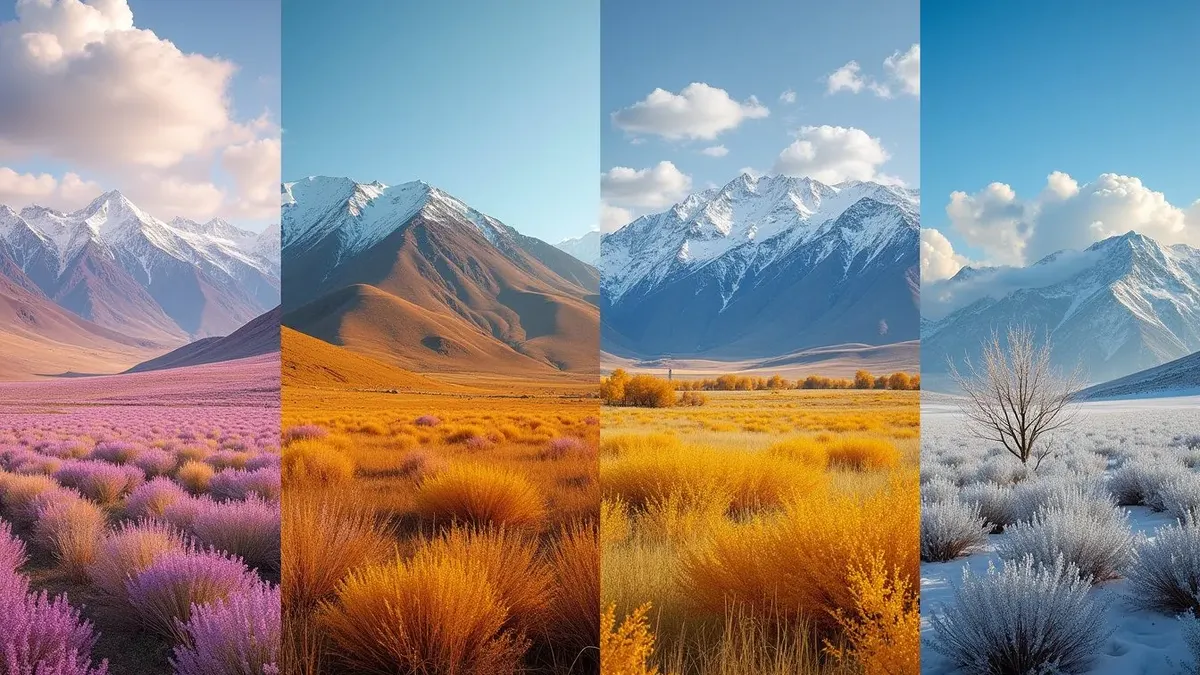
In this article9 sections
For a first trip focused on Almaty and city sightseeing, start by comparing late May, June and September. For high mountain trekking, investigate July and August; for skiing, choose dates only after the resort confirms its operating season. These are planning recommendations, not promises of open trails, snow or lower prices.
Kazakhstan needs a regional answer. An Almaty city forecast does not describe a high pass, and southern sightseeing conditions do not describe Astana. Kazhydromet’s Almaty climate page uses 1991–2020 climate normals. Those long-term observations help explain seasonality; they are not a forecast for your travel week.
Make the Right Match: Trip Type First, Dates Second
| Trip type | Window to investigate | What to confirm before booking |
|---|---|---|
| First trip: Almaty and cities | Late May, June or September | City forecast, excursion access and actual hotel quotes |
| High mountain trekking | July–August as a starting point | Route-specific snow, river crossings, access restrictions and guide advice |
| Alpine expedition | Operator’s published expedition dates | Required permissions, acclimatization and current conditions; there is no universal permit window in this guide |
| Shymbulak skiing | Winter, within the announced ski season | Open pistes and lifts on the resort’s official channels |
| Astana outdoor architecture walks | Summer | Wind, rain and heat forecasts; keep indoor alternatives |
| Shymkent and Turkestan sightseeing | Spring or autumn | Midday heat, opening hours and event dates |
| Mangystau road trip | Spring or autumn | Road conditions, weather, vehicle and guide arrangements |
| Lowest-cost trip | Compare several dates | Live total prices, including transfers; no month is guaranteed cheapest |
Use the visa checker for the published passport rules and the trip cost calculator for a fixed planning estimate. Confirm the current rules and replace estimates with booking quotes.
Month-by-Month Reference
This is an editorial route-planning matrix, not a table of measured temperatures or rainfall. Check the regional weather and packing guide and the current forecast for each stop. Mountain access can change independently of the city weather.
| Month | City and cultural trip | Nature or mountain planning |
|---|---|---|
| January | Plan short outdoor walks with warm indoor stops | Skiing only where the resort confirms operations; prepare for winter travel conditions |
| February | Keep city plans flexible around cold and wind | Check piste status, weather and transport before a ski day |
| March | Consider Nauryz; statutory dates are 21–23 March | Spring in the city does not establish safe mountain access |
| April | Investigate southern city routes and Almaty sightseeing | Check rain, trail conditions and park access before adding nature days |
| May | A useful first-trip option for Almaty and cultural stops | Select individual lower routes after local checks; do not assume high passes are open |
| June | Consider Almaty plus Astana | Check remaining snow and river conditions on the actual hiking route |
| July | Allow shade and indoor breaks on hot city days | A starting window for high-route planning, subject to conditions and permissions |
| August | Combine cities with a separately checked mountain itinerary | Confirm guide availability, access and weather before committing to remote stages |
| September | A useful first-trip option for city-based travel | Shorter days and changing high-altitude conditions matter; carry a fallback route |
| October | Consider southern culture or a flexible city trip | Confirm autumn road and trail conditions; a festival needs a published organizer date |
| November | Choose a city itinerary that works with indoor activities | Do not assume either summer access or an operating ski season |
| December | Compare city breaks and confirmed ski dates | Check resort operations and winter transport; holiday quotes can differ sharply |
Alpine Trekking and Serious Hiking
Choose a specific trail and elevation profile, then decide whether your dates fit it. July and August are useful starting points for researching high Tian Shan itineraries, but the calendar cannot certify snow-free passes, safe crossings or permission to enter a restricted area. June and September require the same route-specific checks.
For an expedition such as Khan Tengri, obtain the operator’s actual itinerary and permission requirements before paying. For day walks near Almaty, check park notices, weather and the return transport. This guide does not establish a fixed opening date for the Big Almaty Lake road. Start with the Kazakhstan hiking guide.
Skiing and Winter Sports
Use Shymbulak’s official site to check the announced ski season and current lift and piste information. A summer cable-car operation does not mean skiing is available, and a winter booking does not guarantee every run is open. Confirm equipment rental, transport and ticket prices for your dates in the skiing guide and with the resort.
City and Cultural Sightseeing
For a first city-focused route, compare late May, June and September. Put Almaty and its nearby excursions in one part of the itinerary, then decide whether Astana or southern heritage sites justify another transfer. Allow for indoor stops in hot, wet or cold weather instead of treating an entire season as unsuitable.
Nauryz: Statutory Holidays on 21–23 March
The current Kazakhstan holidays law specifies 21–23 March for Nauryz. Municipal celebrations and performances have their own schedules; the statutory dates do not guarantee a particular concert or public meal. Check the city’s published programme and compare transport and accommodation before booking. Read more about Nauryz.
Steppe Wildlife and Spring Flowers
For a wildlife trip, first ask the protected area or a qualified local operator about visitor access and the species you hope to see. Flowering and animal movements vary with place and weather; no month guarantees a herd sighting. Avoid disturbing animals or picking wild plants.
The saiga’s global IUCN status changed from Critically Endangered to Near Threatened on 11 December 2023, as reported by the UN Decade on Ecosystem Restoration. That dated status change is not a current population estimate or a claim that conservation work is finished.
Eagle Hunting Demonstrations and Festivals
If a demonstration or festival is the reason for your trip, obtain a date, location and booking confirmation from its organizer. An arranged demonstration and an annual public festival are different products. This guide has not verified a 2026 festival schedule and does not assign one to a generic October–February season.
Regional Climate Variation
Almaty Region
Separate the city, foothills and high mountains in your plan. The Kazhydromet city station is at 851 metres; its 1991–2020 normals should not be applied to a mountain pass. Pack layers and check the excursion forecast independently of your hotel location.
Astana (Capital City)
Summer is a practical starting point for architecture walks. In winter, limit exposure according to the temperature and wind forecast and plan transport between indoor venues. Do not assume that the city’s museums and shopping centres are connected indoors.
Southern Kazakhstan (Shymkent, Turkestan)
Spring and autumn are useful options for a sightseeing itinerary. In summer, plan around the actual heat forecast, shade and opening hours. These recommendations are not a claim that the region can only be visited in two short windows.
Western Kazakhstan (Aktau, Mangystau, Caspian)
Distinguish a stay in Aktau from a remote desert journey. A Mangystau itinerary needs vehicle, water, communications and road-condition planning. Check the conditions for the entire route before using a coastal city forecast to choose dates.
East Kazakhstan (Altai Mountains, Lake Markakol)
Plan the destination and access route first. A city stop, lake visit and remote Altai trek have different requirements. Confirm local transport, accommodation availability and any access permission with the park or operator.
Months That Need a More Flexible Plan
November: Check Both City and Resort Plans
November can suit an indoor-focused city break, but it is a poor month to book on the assumption that summer trails remain accessible or ski runs have already opened. Verify the specific activity and compare actual prices; a nationwide “rock-bottom” price claim is not supported here.
Astana in Deep Winter (January–early February)
Use the temperature and wind forecast to decide how long to spend outdoors. Pack insulated footwear, gloves, head protection and appropriate layers, and arrange transport between stops. A clothing list alone cannot make an exposed winter excursion suitable for everyone.
What to Pack by Season
Spring (April–May)
Bring layers, a waterproof outer layer and comfortable shoes with grip. Add warmer clothing for excursions; city conditions do not establish mountain conditions.
Summer (June–August)
Bring sun protection and drinking water for city and steppe days. Mountain trips still need warm and waterproof layers, appropriate footwear and route-specific equipment.
Autumn (September–October)
Allow for cooler evenings and changing weather. Pack a warm layer and waterproof shell, and plan hiking turnaround times around daylight.
Winter (November–March)
Choose insulation, footwear and wind protection for the actual forecast and expected time outside. Confirm ski rental availability separately. Ordinary city clothing is not a substitute for equipment required on a winter mountain route.
Quick Season Comparison
| Season | Good starting point | Main planning limit |
|---|---|---|
| Spring | City routes, Nauryz and locally checked nature outings | Snow and wet conditions can limit individual routes |
| Summer | Astana walks and high-route research | Heat in lowlands; mountain weather and permissions still matter |
| Autumn | City sightseeing and southern routes | Shorter days and changing mountain access |
| Winter | Indoor city stops and confirmed ski operations | Cold, wind and transport disruption; resort status varies |
Public Holiday Dates for Trip Planning
The following are selected fixed dates in the law checked on 6 September 2026. They are not an annual schedule of observed days off or a list of confirmed festivals.
| Date in current law | Holiday | Planning note |
|---|---|---|
| 1–2 January | New Year | Compare holiday-period transport and hotel quotes |
| 8 March | International Women’s Day | Check the applicable annual work calendar |
| 15 March | Constitution Day | Amendment effective 1 July 2026; do not apply retroactively to March 2026 |
| 21–23 March | Nauryz | City event programmes are published separately |
| 1 May | Unity Day | A statutory date does not confirm a parade or concert |
| 7 May and 9 May | Defender of the Fatherland Day; Victory Day | These dates alone do not establish a continuous 7–11 May break |
| 6 July | Capital City Day | Check the announced local programme |
| 25 October | Republic Day | The national holiday under Article 2 |
| 16 December | Independence Day | A state holiday under Article 3 |
1 December is not listed as a national or state holiday in the current law. Replacement rest days and additional work-calendar transfers require separate checking. Download the 10-row statutory-date CSV, or use the holiday data guide for source notes, archived calendars and preliminary 2027 planning dates.
Season-to-Route Shortcuts
| Your next decision | Read next |
|---|---|
| Choose a first-trip route | Kazakhstan tourism guide |
| Choose the city base | Almaty guide |
| Assess a mountain day | Kazakhstan hiking guide |
| Plan a winter ski trip | Kazakhstan skiing guide |
| Arrange phone data | eSIM guide |
Frequently Asked Questions
What is the best time to visit Kazakhstan?
For a first city-focused trip, compare late May, June and September. For high mountain trekking, start by investigating July and August, then confirm conditions and access for the specific route. No month guarantees open trails or lower prices.
What is the weather like in Kazakhstan in summer?
It depends on the region and elevation. Plan shade and water for hot city days, and warm and waterproof layers for mountain trips. Use the forecast for each stop; Almaty city climate normals do not describe a high mountain pass.
How cold is Kazakhstan in winter?
Prepare for cold and wind, especially on exposed routes in Astana and the steppe. Check the temperature and wind forecast for your dates, choose appropriate insulation and footwear, and plan warm indoor stops and transport.
When is the cheapest time to visit Kazakhstan?
There is no verified nationwide cheapest month in this guide. Compare the total cost of flights, accommodation and transfers on several dates. Holidays, ski bookings and local events can change prices independently of the season.
When is the Nauryz festival in Kazakhstan?
The statutory Nauryz holidays are 21–23 March. City events have separately announced programmes. Observed rest days depend on the year and work schedule, so check the applicable annual calendar before booking.
Can I trek in Kazakhstan in May?
A May trip needs route-specific checks. Do not assume that warm weather in Almaty means a mountain trail or road is accessible. Ask the park or a qualified guide about snow, closures and suitable alternatives before departure.
Local Verification and Sources
Last reviewed: September 6, 2026. Seasonal windows are planning judgments; this update does not claim a new field visit, verified hotel prices, measured crowd levels or a complete inventory of open trails.
- Kazhydromet: Almaty climate: station elevation and the 1991–2020 climate-normal reference period; a city source, not a high-mountain forecast.
- Shymbulak: official resort information; check current operations before booking.
- Kazakhstan Law No. 267, Articles 2–5: statutory dates and the default rule for overlapping rest days; amended version effective 1 July 2026.
- UN Decade on Ecosystem Restoration: the dated December 2023 saiga reclassification. An official international conservation source is used for that global status claim.
Google Preferred Sources
See more Kazakhstan stories in Google
Add About Kazakhstan as a preferred source to find more of our fresh, relevant stories in Google Search.
More Stories
travel
Best Time to Visit Almaty: A Month-by-Month Planner
Choose the best month for Almaty by trip type: city walks, hiking, skiing or day trips. A practical 2026 planner with official weather and lift checks.
travel
12 Best Day Trips from Almaty: Complete Guide 2026
Best Almaty day trips — Charyn Canyon, Big Almaty Lake, Kolsai Lakes, Tamgaly petroglyphs, Altyn-Emel. Distances, costs, and how to get there.
travel
Is Kazakhstan Safe to Travel in 2026? Practical Risk Guide
Is Kazakhstan safe to visit in 2026? Current official advice, emergency numbers, road and taxi risks, documents, health, and a practical checklist.
travel
Kazakhstan Tourism Guide: Routes, Visas & Best Places
Plan Kazakhstan tourism with first-trip routes, the best places by region, seasonal advice, visa checks, transport, safety and realistic trade-offs.
Plan the Next Step
travel
Kazakhstan Tourist Attractions: Choose the Right First-Trip Route
Compare Kazakhstan tourist attractions by base and logistics: Almaty nature, Turkestan heritage, Mangystau, Astana, Baikonur, and more.
food
Beshbarmak Recipe: How Kazakh Et Is Served
A source-checked guide to Kazakh et, widely called beshbarmak: what is on the platter, a practical home recipe, regional differences, and guest etiquette.
culture
Women in Kazakhstan: Rights, Work and Daily Life in 2026
Source-checked guide to women in Kazakhstan: current legal rights, dated work and wage data, marriage statistics, safety, and respectful language.
travel
Things to Do in Kazakhstan: 13 Places Worth Your Time
Choose the best things to do in Kazakhstan by trip length: Almaty, Charyn, Kolsai, Astana, Turkestan, Tamgaly, Altyn-Emel, food, and Nauryz.
travel
12 Best Day Trips from Almaty: Complete Guide 2026
Best Almaty day trips — Charyn Canyon, Big Almaty Lake, Kolsai Lakes, Tamgaly petroglyphs, Altyn-Emel. Distances, costs, and how to get there.
travel
Shymkent Travel Guide: City Sights, Food & Day Trips
Plan a Shymkent visit with reliable city clusters, food choices, Turkestan and Sayram options, live transport checks, and heat-aware itineraries.

Travel Writer & Local Expert · Almaty, Kazakhstan
Tugelbay Konabayev is a Kazakhstan-based travel writer who has lived in Almaty for 7+ years and Astana for 4+ years. He grew up in Aktobe, Kazakhstan and has covered Kazakh travel, food, culture, and visa policy with first-hand reporting since 2023.