Culture of Kazakhstan: How Nomadic Heritage Still Shapes the Country
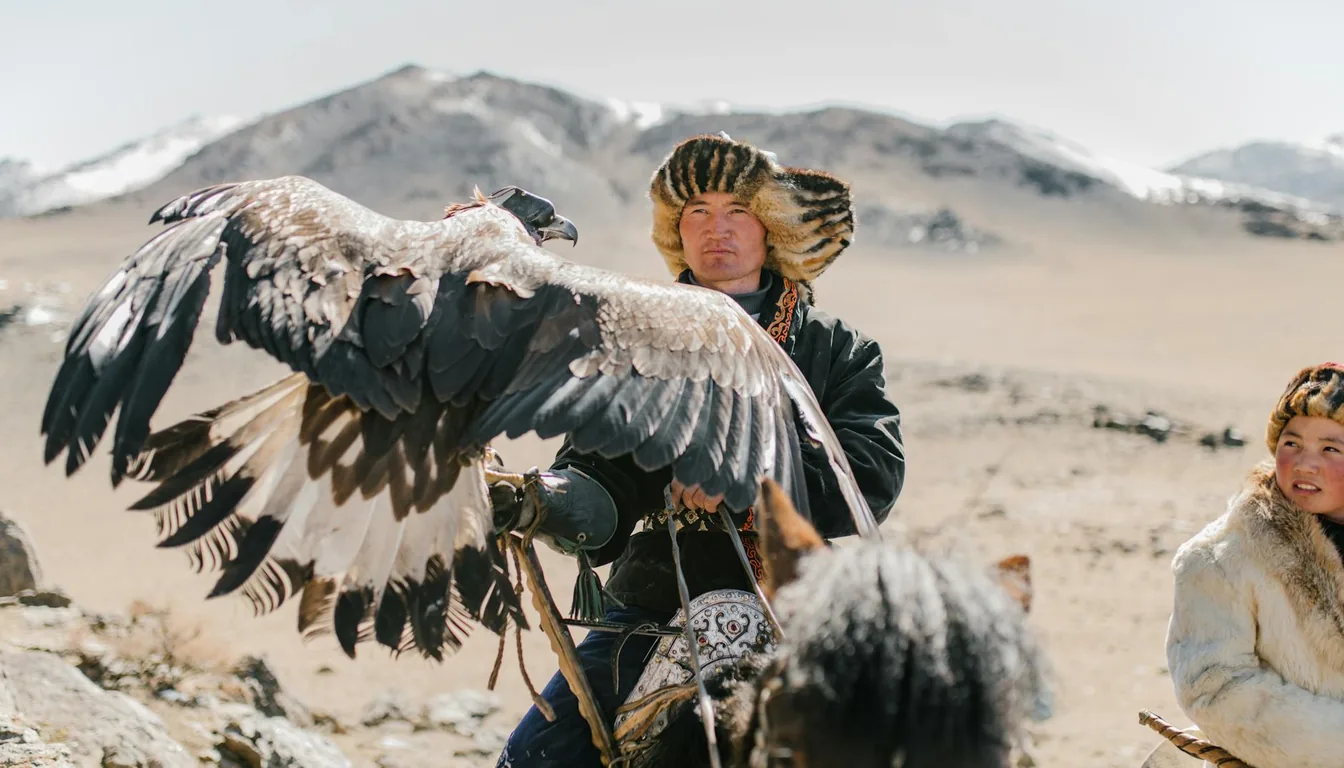
The culture of Kazakhstan is shaped by nomadic Turkic heritage, Islamic tradition, Soviet transformation, and modern state-building after independence. These layers appear in everyday life through hospitality customs, multilingual identity, horse symbolism, food, music, and the continuing effort to define what it means to be Kazakh in the 21st century.
The Nomadic Core of Kazakh Culture
The deepest layer of Kazakh culture comes from life on the steppe. For centuries, Kazakhs were pastoral nomads who moved with their herds across vast open landscapes. That way of life produced values that still matter today:
- hospitality toward strangers
- flexibility and adaptation to harsh environments
- respect for elders and collective decision-making
- strong connection to horses, mobility, and the natural world
Even when modern Kazakhstan looks urban and technologically connected, those older values remain visible in family behavior and public rituals.
Language and Identity
Kazakhstan’s cultural identity is also shaped by language. Kazakh is the state language and a key symbol of national revival, while Russian remains widely used in business, education, and urban life.
This bilingual reality reflects both Soviet history and modern pragmatism. It also explains why debates like Qazaqstan or Kazakhstan matter: language is not just communication, but a statement of identity.
Hospitality as a Cultural Foundation
Hospitality is not a niche tradition in Kazakhstan — it is the social baseline. Guests are offered tea, bread, sweets, and often far more food than they can eat. The quality of welcome reflects the honor of the household.
This tradition comes from nomadic life, where offering shelter and food to a traveler was both moral duty and practical necessity.
Music, Oral Tradition, and the Dombra
The dombra is the most recognizable instrument in Kazakh culture. It accompanies songs, storytelling, and aitys — improvisational poetic contests where performers debate through verse.
Before written literature became dominant, oral tradition carried memory, morality, and history. Epic tales, songs, and competitive poetry remain important markers of cultural continuity.
Religion in Kazakhstan
Most people in Kazakhstan identify as Muslim, but the country is secular and public religious practice is moderate by regional standards. Kazakh Islam is shaped by Sunni Hanafi tradition as well as older Turkic customs and Sufi influence.
As a result, Kazakhstan’s culture feels distinct from more conservative Muslim societies. Religious holidays matter, but so do secular rituals, Soviet legacies, and pre-Islamic seasonal celebrations such as Nauryz.
Soviet Influence and Modern Transformation
No explanation of Kazakh culture is complete without the Soviet period. Russian language dominance, industrialization, urban migration, and mass deportations all reshaped the country in the 20th century.
That legacy is still visible in architecture, education, language use, and demographics. Modern Kazakhstan is therefore not a simple return to pre-Soviet tradition, but a layered culture where nomadic memory, Soviet modernity, and post-1991 national revival exist side by side.
Cultural Symbols That Matter Most
| Symbol | Why It Matters |
|---|---|
| Yurt | Nomadic life, family space, mobility |
| Dombra | Music, storytelling, memory |
| Horse | Survival, prestige, identity |
| Dastarkhan | Hospitality and abundance |
| Chapan | Respect, status, ceremonial honor |
| Saukele | Marriage, femininity, symbolic transition |
Food as Culture
Kazakh food is not separate from Kazakh culture — it is one of its clearest expressions. Meat-heavy dishes, dairy drinks, tea rituals, and communal serving patterns all reflect the realities of nomadic life.
If you want to see that in practice, read our guides to Kazakhstan food and popular food in Kazakhstan.
How Modern Kazakhstan Balances Tradition and Change
Modern Kazakhstan is trying to preserve heritage while participating fully in globalization. You can see this balance in:
- traditional motifs used in contemporary fashion
- state support for historical anniversaries like the Kazakh Khanate
- revival of the Latin-script debate
- contemporary architecture in Astana paired with revived folk symbolism
- urban youth culture that remains strongly family-oriented
Why the Culture of Kazakhstan Feels Distinct
Kazakhstan feels culturally distinct because it is neither fully European nor fully Middle Eastern nor fully East Asian. It is a steppe civilization shaped by movement, empire, and adaptation. That gives it a cultural atmosphere that is recognizably Central Asian but also uniquely Kazakh.
Frequently Asked Questions
- What is the culture of Kazakhstan known for?
- The culture of Kazakhstan is best known for hospitality, nomadic heritage, horse traditions, the yurt, the dombra, tea rituals, and the blending of Turkic, Islamic, Soviet, and modern national influences.
- What role did nomadic life play in Kazakh culture?
- Nomadic life shaped the core values of Kazakh culture: mobility, adaptation, respect for guests, family hierarchy, and a close connection to horses, land, and seasonal rhythms.
- Is Kazakhstan more Asian or European in culture?
- Kazakhstan is culturally Central Asian. It has some European and Russian influence, but its deepest cultural roots are Turkic, nomadic, and steppe-based.
- Why is hospitality so important in Kazakhstan?
- Hospitality grew out of nomadic life, where feeding and sheltering travelers was both moral duty and practical necessity. That value remains central in Kazakh homes today.
- What are the main symbols of Kazakh culture?
- The most important symbols include the yurt, dombra, horse, dastarkhan, chapan, and saukele. Each represents a different aspect of Kazakh identity, memory, and social life.
More Stories
culture
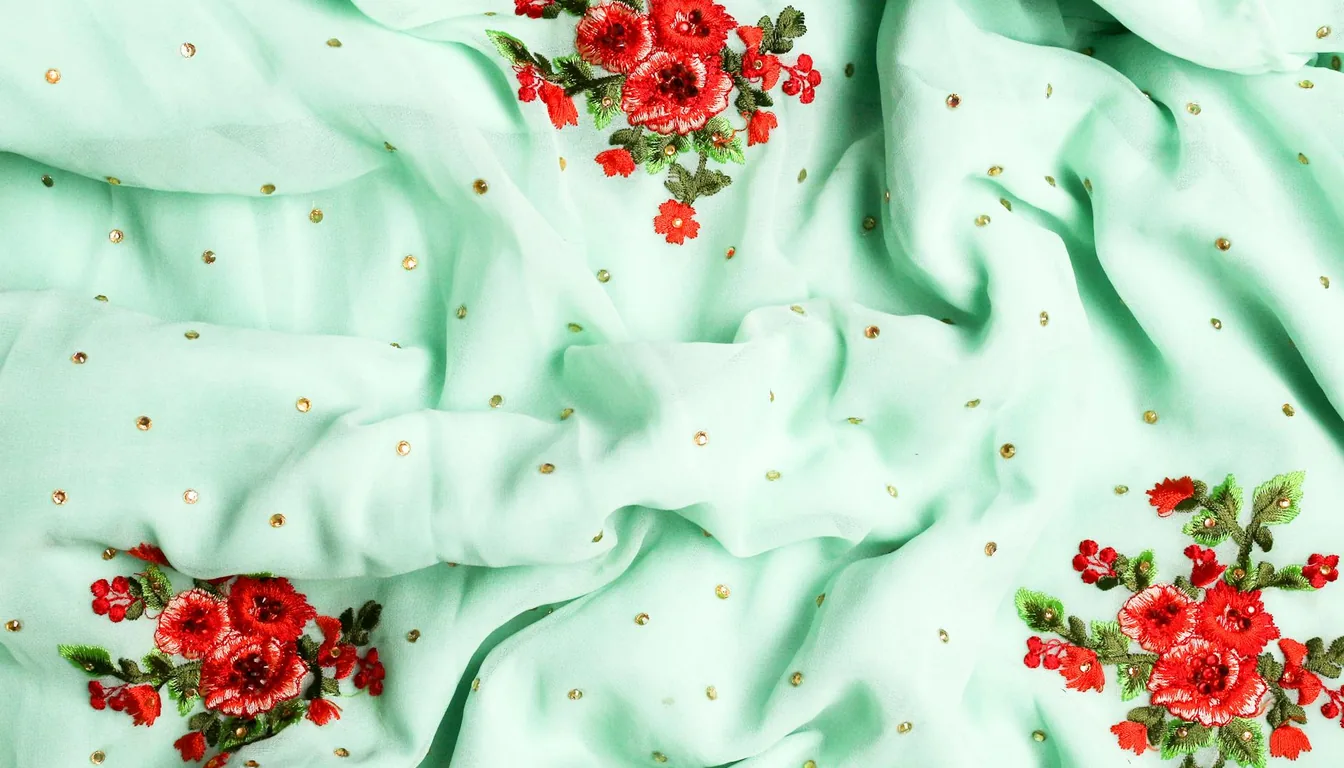
Traditional Kazakh Clothing: Complete Guide to National Dress
Deep dive into traditional Kazakh clothing — the chapan robe, tymak hat, women's saukele headdress, embroidery patterns, and where to buy authentic pieces.
culture
Kazakh Wedding Traditions: Complete Guide to Kazakh Marriages
Kazakh wedding traditions — bride price (qalyn mal), matchmaking, the wedding ceremony, kelin saluu, traditional games, food, and what to expect as a guest.

culture
Kazakhstan Traditions: 12 Customs That Still Shape Daily Life
Discover the most important Kazakhstan traditions, from hospitality and tea customs to Nauryz, wedding rituals, horse culture, and respect for elders.