Kazakhstan Food: 20 Traditional Dishes You Need to Try
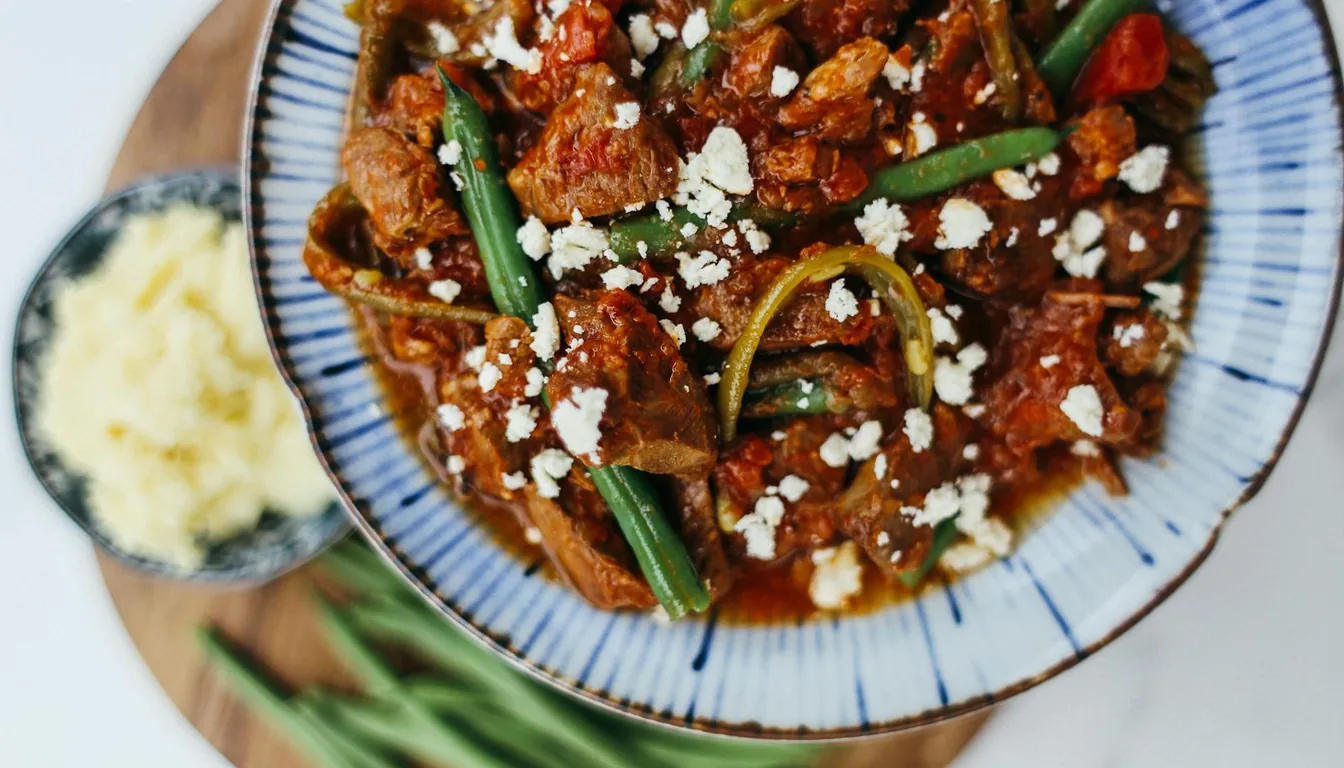
Kazakhstan food is rooted in the nomadic traditions of the Kazakh steppe, where meat, dairy, and bread formed the core of every meal. The cuisine reflects centuries of life on horseback: calorie-dense, practical to prepare, and built around hospitality. Today it blends those Central Asian roots with Russian, Uzbek, and modern influences.
What Is Kazakhstan Food Like?
Kazakh cuisine is meat-heavy, dairy-rich, and centered on communal eating. A traditional Kazakh meal is served on a dastarkhan (a low table or cloth spread), and hospitality is deeply embedded in food culture. Refusing food or tea when offered is considered impolite.
The cooking style favors boiling and slow-cooking over frying or grilling. Lamb and horse meat are the most valued proteins. Bread appears at every meal. Tea — always black, always with milk — is the default drink at any gathering.
For more cultural context, see our guide on Kazakhstan culture and traditions.
Traditional Kazakhstan Food: 20 Must-Try Dishes
Meat Dishes
1. Beshbarmak
Beshbarmak is the national dish of Kazakhstan. The name means “five fingers” because it was traditionally eaten by hand. It consists of boiled meat (usually lamb or horse) served over large flat noodles, with onion sauce poured on top. The broth (sorpa) is served separately in bowls.
2. Kazy
Kazy is a traditional horse meat sausage made from the rib meat of the horse, stuffed into natural casing and either smoked, dried, or boiled. It is considered a delicacy and is typically served during celebrations and holidays.
3. Shuzhuk
Similar to kazy but made from a mix of horse meat and fat, shuzhuk has a more intense flavor. It is often served sliced as an appetizer or alongside beshbarmak.
4. Kuurdak
Kuurdak is a simple fried meat dish — lamb, beef, or offal cooked with onions and potatoes. It is one of the most common everyday dishes in Kazakh households and varies by region.
5. Plov (Pilaf)
While plov originated in Uzbekistan, it is widely eaten across Kazakhstan. Kazakh plov typically uses lamb, carrots, onions, and rice cooked together in a kazan (cast iron pot). Regional variations exist throughout the country.
6. Manty
Manty are large steamed dumplings filled with minced lamb or beef mixed with onion and sometimes pumpkin. They are a staple across Central Asia and are served with sour cream or vinegar sauce.
7. Lagman
Lagman is a noodle soup with hand-pulled noodles, meat (usually beef or lamb), and vegetables in a spiced tomato-based broth. The Dungan (Chinese Muslim) community in Kazakhstan makes some of the best versions.
8. Samsa
Samsa are baked pastries filled with meat and onion. The traditional version is baked in a tandoor oven. Street-side samsa vendors are found throughout Almaty, Astana, and Shymkent.
Bread and Dough
9. Baursaki
Baursaki are small pieces of fried dough, served at virtually every Kazakh meal and celebration. They accompany tea and are sometimes drizzled with honey or jam. No dastarkhan is complete without them.
10. Shelpek
Shelpek are thin, round fried flatbreads traditionally prepared on Fridays for remembrance of the deceased. They are soft, slightly sweet, and eaten plain or with other dishes.
11. Tandyr Nan
Tandyr nan is traditional bread baked in a clay oven (tandoor). It has a crispy crust and soft interior. Freshly baked versions are sold at bazaars throughout the country.
Dairy Products
12. Kumis
Kumis is fermented mare’s milk, mildly alcoholic (around 1-3% ABV), and has a sour, fizzy taste. It is available mainly in spring and summer when mares are producing milk. Kumis is considered both a drink and a traditional medicine.
13. Shubat
Shubat is fermented camel’s milk, thicker and tangier than kumis. It is more common in western and southern Kazakhstan where camels are raised. Like kumis, it is seasonal.
14. Kurt
Kurt are small dried balls of salted fermented cheese, rock-hard and intensely salty. They were originally designed as portable food for nomadic travel. Today they are a popular snack sold at markets, including the Green Bazaar in Almaty.
15. Irimshik
Irimshik is a sweet pressed cheese made from boiled milk. It can be soft or dried, and is often served as a dessert or snack alongside tea.
Soups
16. Sorpa
Sorpa is a rich meat broth, often served as a course alongside beshbarmak or on its own. The quality of the broth is a point of pride for Kazakh cooks.
17. Kespe
Kespe is a noodle soup with homemade noodles, meat, and vegetables. It is a lighter, everyday alternative to beshbarmak.
Sweets and Snacks
18. Zhent
Zhent is a traditional Kazakh sweet made from millet, butter, sugar, and sometimes dried fruits. It has a crumbly, dense texture and is typically prepared for special occasions.
19. Chak-Chak
Chak-chak is a fried dough dessert coated in honey syrup, originally from Tatar cuisine but widely popular in Kazakhstan. It is served at weddings and celebrations.
20. Talkan
Talkan is ground roasted barley or wheat, mixed with sugar and butter or added to tea and kumis. It is one of the oldest nomadic foods and is still consumed in rural areas.
Kazakhstan Food Culture: Key Facts
| Aspect | Detail |
|---|---|
| Staple proteins | Lamb, horse, beef |
| Most important dish | Beshbarmak (national dish) |
| Default drink | Black tea with milk |
| Traditional drinks | Kumis (mare’s milk), shubat (camel milk) |
| Eating style | Communal, served on dastarkhan |
| Hospitality rule | Never refuse tea or food offered by a host |
| Bread at every meal | Yes — baursaki, shelpek, or tandyr nan |
| Halal | Majority of restaurants serve halal meat |
Where to Try Kazakhstan Food
In Almaty
- Green Bazaar — best for kurt, kazy, dried fruits, and fresh bread
- Navat — upscale Kazakh restaurant with traditional dastarkhan service
- Qazaq Gourmet — modern takes on traditional dishes
In Astana
- Turandot — Central Asian fine dining
- Line Brew — Kazakh and European fusion
In Shymkent
- Street-side samsa and lagman vendors near the bazaars offer some of the most authentic food in the country.
Is Kazakhstan Food Halal?
The majority of meat served in Kazakhstan is halal, as the country is predominantly Muslim. However, horse meat dishes (kazy, shuzhuk) and fermented drinks (kumis, shubat) are permissible under Islamic dietary law as practiced locally. Pork is available in some Russian and Korean restaurants but is not part of Kazakh cuisine.
How Much Does Food Cost in Kazakhstan?
| Meal Type | Typical Cost (2024) |
|---|---|
| Street food (samsa, lagman) | $1-3 USD |
| Casual restaurant meal | $5-10 USD |
| Mid-range restaurant | $10-20 USD |
| Fine dining | $25-50 USD |
| Tea at a cafe | $0.50-1 USD |
| Green Bazaar snacks | $1-5 USD |
Food in Kazakhstan is affordable by international standards, especially in smaller cities outside Almaty.
Frequently Asked Questions
- What is the national dish of Kazakhstan?
- Beshbarmak is the national dish of Kazakhstan. It consists of boiled meat (lamb or horse) served over flat noodles with onion sauce, accompanied by a rich meat broth called sorpa.
- What is traditional Kazakhstan food made of?
- Traditional Kazakh food is built around meat (primarily lamb and horse), dairy products (kumis, kurt, irimshik), bread (baursaki, shelpek, tandyr nan), and tea. The cuisine reflects the nomadic lifestyle where calorie-dense, portable foods were essential.
- Is Kazakhstan food spicy?
- Kazakh food is generally not spicy. It relies on simple seasonings — salt, onion, black pepper, and herbs. The focus is on the natural flavor of the meat and dairy. Some Uzbek-influenced dishes like lagman may have mild spice.
- What do people drink in Kazakhstan?
- Tea (black, with milk) is the most consumed drink. Traditional beverages include kumis (fermented mare milk) and shubat (fermented camel milk). Beer, vodka, and wine are also widely available.
- Can vegetarians eat in Kazakhstan?
- Vegetarian options exist but are limited in traditional Kazakh restaurants. Plov can sometimes be made without meat, and bread, dairy, and salads are available. In Almaty and Astana, modern restaurants increasingly offer vegetarian and vegan menus.
More Stories
food
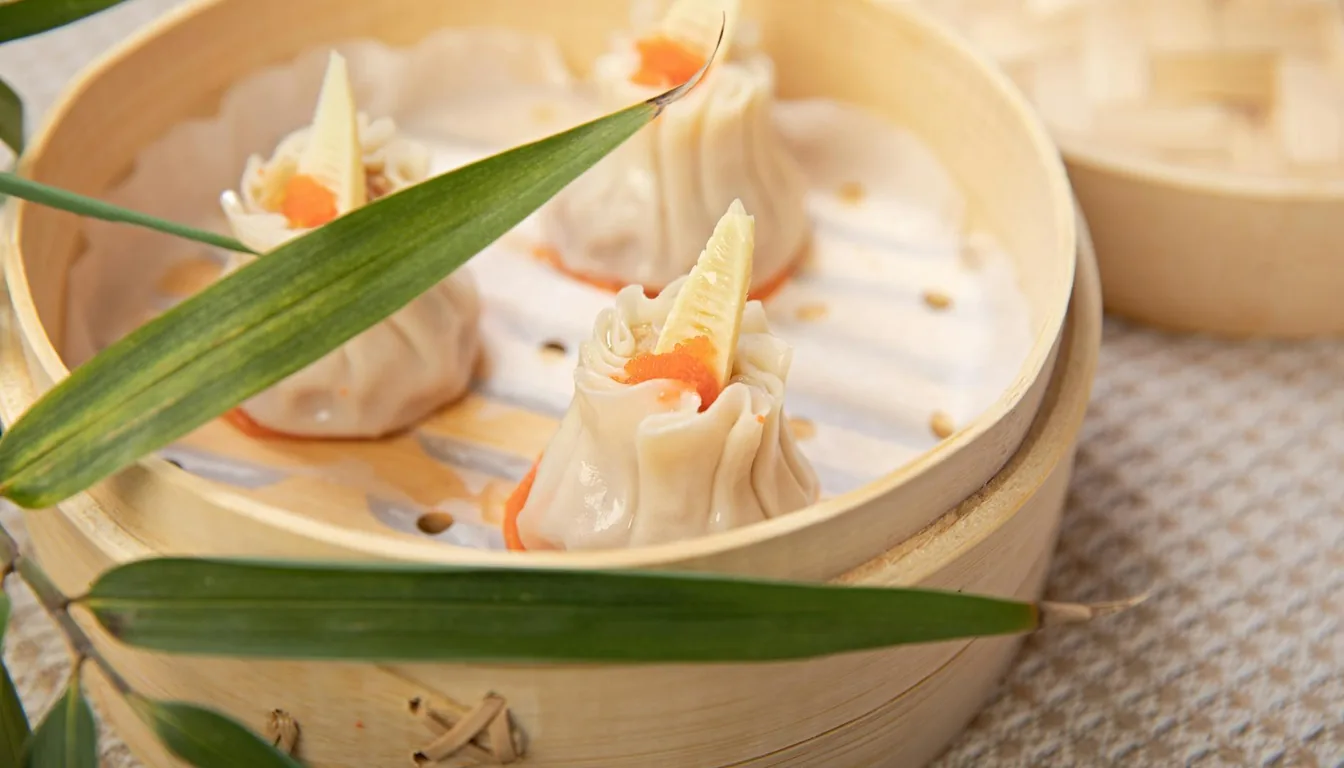
Manty: Kazakhstan's Steamed Dumplings — Complete Guide
Everything about Kazakh manty dumplings — filling, folding technique, variations, where to eat them, and how they differ from other Asian dumplings.
food
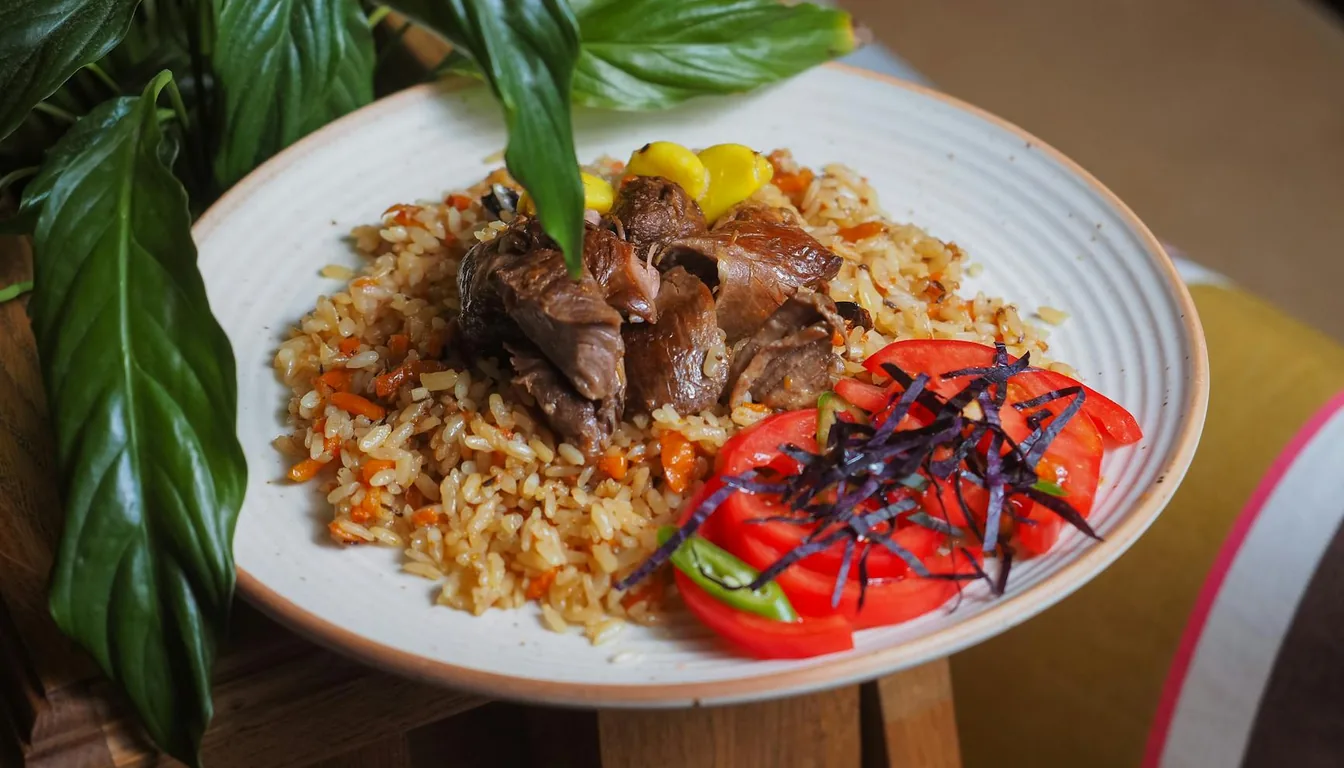
Popular Food in Kazakhstan: 12 Famous Dishes Travelers Notice First
Discover the most popular food in Kazakhstan, from beshbarmak and kazy to baursaki and plov. A quick guide to the dishes travelers see first.
food
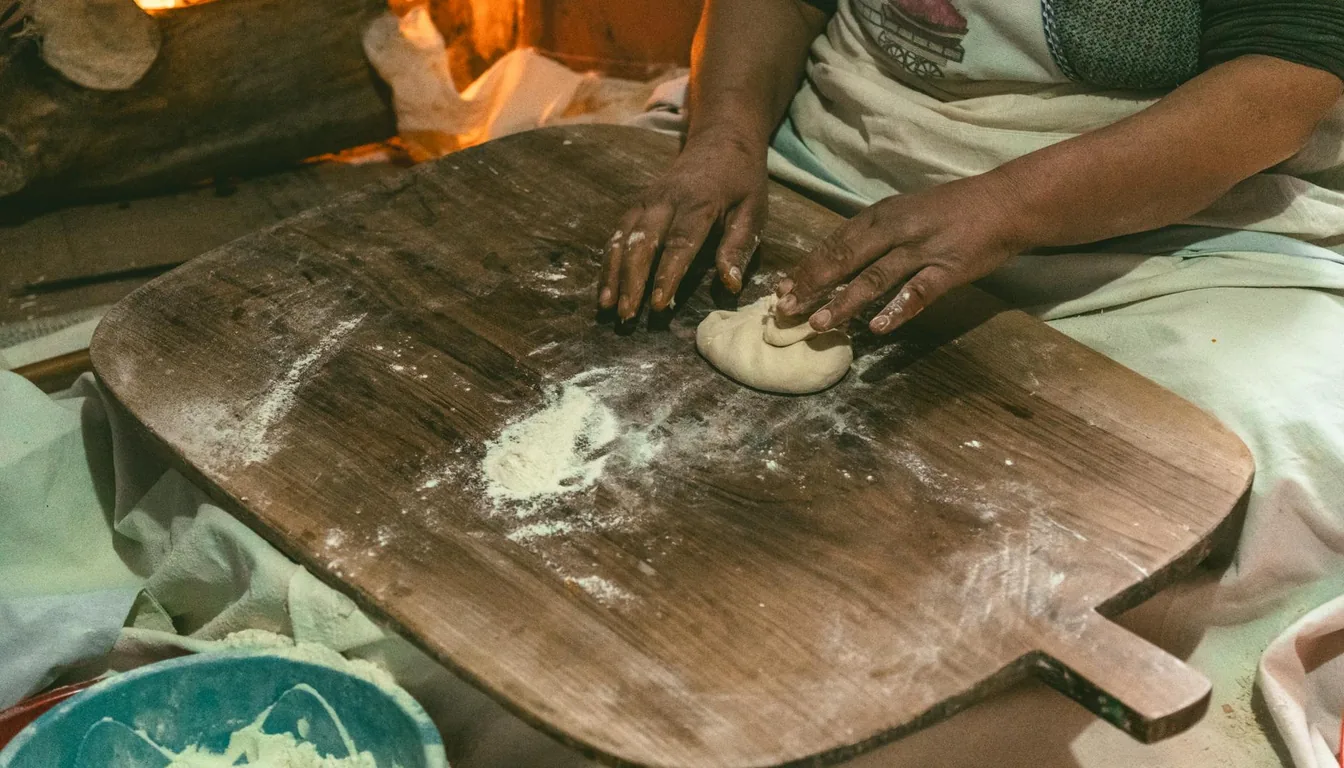
Traditional Kazakhstan Food Recipes: 8 Dishes to Make at Home
Learn how to make traditional Kazakhstan food at home with simple recipes for beshbarmak, baursaki, plov, kurt, and other Kazakh staples.