Kazakhstan History Timeline: From Steppe Empires to Independence
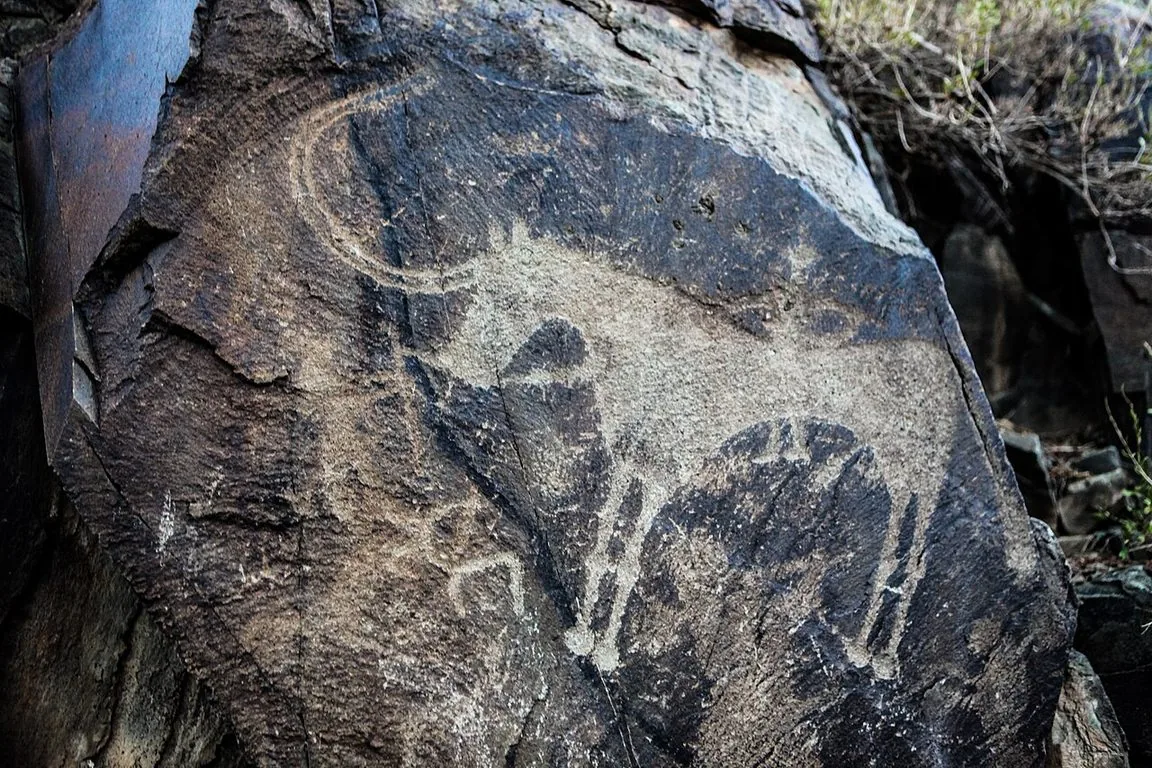
Kazakhstan’s history stretches from ancient steppe nomads and early Turkic states through the Silk Road, the rise of the Kazakh Khanate, Russian imperial expansion, Soviet rule, and independence in 1991. Its story is shaped by mobility, empire, trade, and the long struggle to preserve identity across vast Eurasian space.
Kazakhstan History Timeline
| Period | Event | Why It Matters |
|---|---|---|
| c. 2000-1000 BCE | Bronze Age cultures in the steppe | Early pastoral and metallurgical societies develop |
| c. 800-300 BCE | Saka / Scythian period | Nomadic warrior cultures dominate the region |
| 2nd century BCE-15th century CE | Silk Road routes active | Kazakhstan becomes a key corridor linking East and West |
| 6th-8th centuries | Turkic Khaganates | Early Turkic political formations shape language and identity |
| 13th century | Mongol conquest | Region absorbed into the Mongol Empire and later the Golden Horde |
| c. 1465-1466 | Kazakh Khanate founded | First major Kazakh political entity emerges |
| 18th century | Russian influence expands | Steppe autonomy begins to erode |
| 19th century | Kazakhstan integrated into Russian Empire | Administrative and settlement changes reshape the region |
| 1930-1933 | Kazakh famine | Catastrophic Soviet collectivization kills a large share of the population |
| 1940s-1980s | Soviet industrialization, deportations, nuclear testing | Major demographic and environmental transformation |
| 1986 | Jeltoqsan protests in Almaty | Early anti-Soviet protest movement in Kazakhstan |
| 1991 | Independence | Kazakhstan becomes a sovereign state |
| 1997 | Capital moved from Almaty to Astana | Symbolic and strategic state-building move |
| 2015 | 550th anniversary of Kazakh Khanate commemorated | National identity grounded in pre-Soviet statehood |
Ancient Steppe Civilizations
Long before the name Kazakhstan existed, the region was inhabited by mobile pastoral societies adapted to the harsh ecology of the Eurasian steppe. Archaeological evidence from the Botai culture in northern Kazakhstan suggests that horses may have been domesticated here as early as 3500 BCE — one of the most important developments in world history.
Later, the region was home to Saka (Scythian) nomads, Iranian-speaking steppe peoples known for mounted warfare and elaborate burial mounds. The famous Golden Man, discovered near Almaty in 1969, comes from this period and remains one of Kazakhstan’s best-known archaeological symbols.
Turkic States and the Silk Road
From the 6th century onward, Turkic Khaganates controlled much of the steppe and helped spread Turkic languages across Central Asia. This laid the linguistic foundation for later Kazakh identity.
At the same time, southern Kazakhstan became a critical section of the Silk Road. Cities such as Turkistan, Otrar, Taraz, and Sauran flourished as centers of trade, religion, and scholarship. Islam spread gradually through these routes, particularly through Sufi networks.
The Mongol Era and the Golden Horde
The Mongol conquest in the early 13th century transformed the political map of Eurasia. Kazakhstan’s territory became part of the ulus of Jochi, later known as the Golden Horde. This period reinforced steppe political traditions and dynastic legitimacy through the descendants of Genghis Khan.
Many later Central Asian states, including the Kazakh Khanate, emerged from the fragmentation of post-Mongol political structures.
The Kazakh Khanate
The Kazakh Khanate was founded around 1465-1466 by Kerei Khan and Janibek Khan after they broke away from the Uzbek Khanate of Abu’l-Khayr Khan. It is widely regarded as the first major Kazakh political entity and a foundation of modern Kazakh identity.
The Khanate expanded under Kasym Khan in the early 16th century and controlled large parts of the steppe. Over time, the Kazakh population became organized into the three juz (Senior, Middle, and Junior Hordes), regional confederations that shaped politics for centuries.
Read the full story in our Kazakh Khanate guide.
Russian Imperial Expansion
From the 18th century onward, the Russian Empire steadily expanded into the Kazakh steppe. What began as alliance, tribute, and military protection evolved into direct imperial control. By the 19th century, Kazakhstan had been largely absorbed into the Russian Empire.
Key consequences included:
- The weakening of traditional khan power
- Administrative division of the steppe
- Settlement by Russian and Ukrainian farmers in northern Kazakhstan
- Growing integration into imperial trade and military systems
Soviet Kazakhstan
The Soviet period brought some of the most dramatic transformations in Kazakh history.
Collectivization and Famine (1930-1933)
Forced collectivization under Stalin destroyed the nomadic economy. Herds were seized, movement was restricted, and pastoral life collapsed. The resulting famine killed an estimated 1.5 million people — roughly 38% of the ethnic Kazakh population — making it one of the worst demographic disasters in modern history.
Deportations and Demographic Change
The USSR deported large populations to Kazakhstan, including Volga Germans, Koreans, Crimean Tatars, Chechens, and others. This radically changed the country’s ethnic makeup and helps explain why modern Kazakhstan is so diverse.
Nuclear Testing at Semipalatinsk
From 1949 to 1989, the Soviet Union conducted 456 nuclear tests at the Semipalatinsk Test Site in eastern Kazakhstan. The long-term health and environmental consequences remain severe.
Industrialization and Urbanization
The Soviet period also brought railways, heavy industry, universities, and large urban growth. Russian became dominant in administration and education, reshaping everyday life.
Jeltoqsan and the Road to Independence
In December 1986, students and young people in Almaty protested the Soviet decision to appoint an ethnic Russian, Gennady Kolbin, as leader of the Kazakh SSR. The demonstrations, known as Jeltoqsan, were violently suppressed but later became a symbol of national awakening.
Five years later, on December 16, 1991, Kazakhstan declared independence following the collapse of the Soviet Union.
Independent Kazakhstan
Since 1991, Kazakhstan has pursued state-building on several fronts:
- Establishing sovereignty and foreign policy independence
- Moving the capital from Almaty to Astana in 1997
- Rebalancing toward Kazakh language and identity after Soviet-era Russification
- Managing huge oil, gas, and uranium reserves
- Positioning itself as the dominant economy in Central Asia
The ongoing conversation about Qazaqstan or Kazakhstan reflects this broader effort to define a post-Soviet national identity rooted in deeper historical traditions.
Why Kazakhstan’s History Matters Today
Kazakhstan’s modern politics, language debates, multi-ethnic society, and foreign policy all make more sense when viewed through history. The country’s location between Russia and China, its memory of empire, and its nomadic heritage continue to shape national decision-making.
This history is not a museum piece. It is a living part of how Kazakhstan understands itself.
Frequently Asked Questions
- When did Kazakhstan become independent?
- Kazakhstan declared independence on December 16, 1991, following the collapse of the Soviet Union. It was the last of the Soviet republics to do so.
- What was Kazakhstan called before 1991?
- Before independence, Kazakhstan was the Kazakh Soviet Socialist Republic (Kazakh SSR), one of the fifteen republics of the Soviet Union. Before that it was part of the Russian Empire.
- Who founded the Kazakh Khanate?
- Kerei Khan and Janibek Khan founded the Kazakh Khanate around 1465-1466 after breaking away from the Uzbek Khanate. Their state became the first major Kazakh political entity.
- What was the Jeltoqsan protest?
- Jeltoqsan was a December 1986 protest in Almaty against Soviet rule and the appointment of an outsider to lead the Kazakh SSR. It was brutally suppressed but later became a symbol of Kazakhstan's national awakening.
- Why is Kazakhstan history important?
- Kazakhstan's history explains its modern identity, language debates, ethnic diversity, and geopolitical position between Russia and China. It also shows how nomadic, imperial, Soviet, and post-Soviet influences shaped the country.
More Stories
facts
Is Kazakhstan in Russia? No — Here's Why People Get Confused
Kazakhstan is not Russia. It's been an independent country since 1991. Full explanation of geography, Soviet history, and its current relationship with Russia.
facts
Stan Countries: All 7 Nations Ending in -Stan Explained
Complete guide to all 7 stan countries — Kazakhstan, Uzbekistan, Tajikistan, Turkmenistan, Kyrgyzstan, Afghanistan, Pakistan with capitals and key facts.

facts
What Is Kazakhstan Famous For? 15 Things That Define the Country
What is Kazakhstan famous for? From the world's first spaceport and nomadic culture to horse meat cuisine and vast steppes — 15 defining features explained.