Is Kazakhstan Safe? 2025 Safety Guide for Travelers
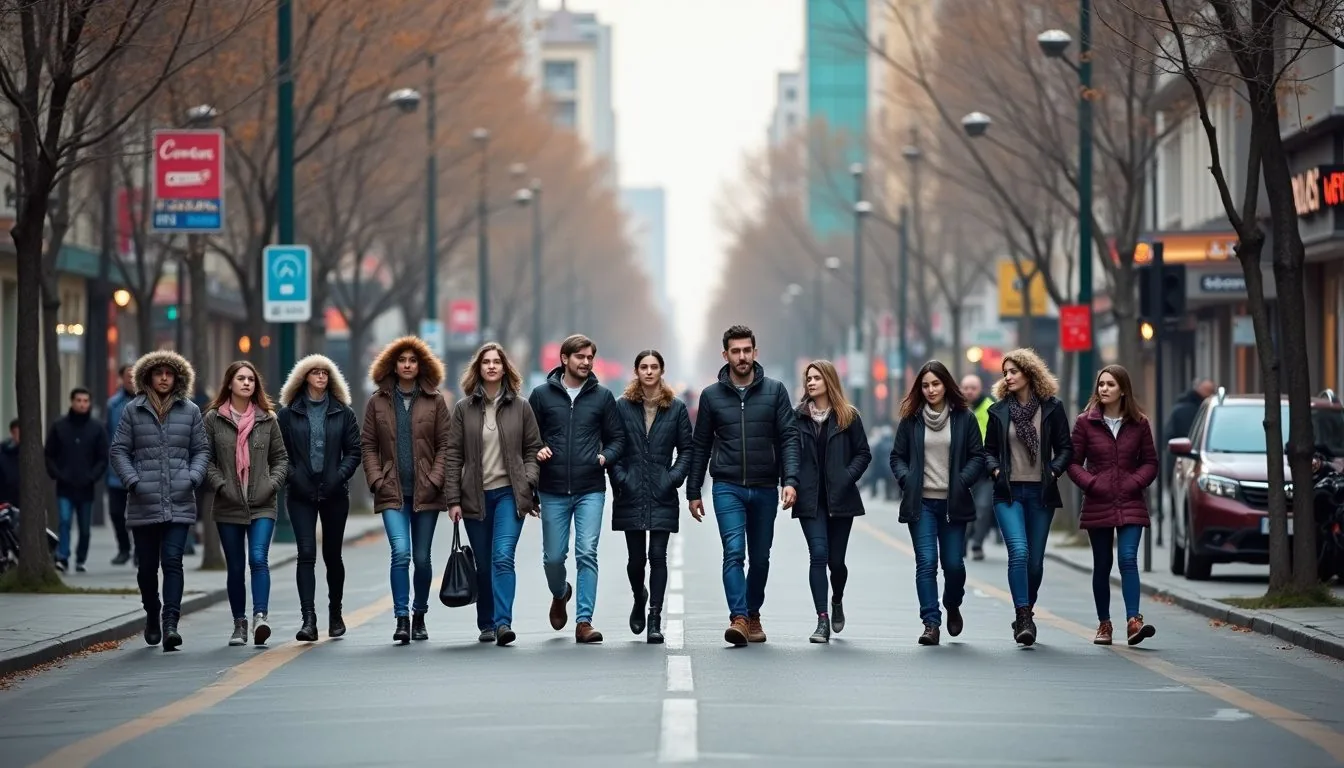
Kazakhstan is generally safe for tourists — considerably safer than its reputation might suggest for people unfamiliar with Central Asia. Crime rates against tourists are low, the country is politically stable, and travelers regularly describe Kazakhstanis as exceptionally welcoming. That said, there are specific risks worth understanding before you go. This is an honest safety assessment, not a promotional one.
The Short Answer
Kazakhstan is safe for tourists. The main risks are:
- Road traffic accidents (the most significant practical risk)
- Petty theft in crowded areas
- Altitude and weather hazards for mountain activities
- Occasional political demonstrations (not targeting tourists)
- Very limited risk of violent crime targeting foreigners
The UK Foreign Office, US State Department, and Australian DFAT all maintain Kazakhstan at low-to-moderate risk levels (similar to Russia before 2022, or Eastern Europe generally).
Crime
Violent Crime
Violent crime targeting tourists is rare. Kazakhstan does not have the street crime culture of some other destinations — the nomadic hospitality tradition genuinely persists, and harming a guest carries strong cultural stigma.
What actual crime statistics show:
- Kazakhstan’s murder rate: ~2.5 per 100,000 (lower than the US at ~5.4; similar to Italy at ~0.6 but higher than Western Europe generally)
- Tourist-targeted violence: extremely rare in recorded incidents
- Random street attacks on foreigners: isolated incidents, not a pattern
Petty Theft
The realistic risk for tourists is petty theft:
Where it happens:
- Zelyony Bazaar (Green Bazaar) in Almaty — large crowded market
- Train stations (Almaty-2 especially)
- Crowded public transport
- ATM areas
- Bus terminals
What to do:
- Keep valuables in a front pocket or money belt
- Don’t display expensive electronics or cameras unnecessarily
- Use Yandex Taxi (app) rather than street taxis
- Keep a photocopy of your passport separate from the original
Scams
Kazakhstan has fewer tourist scams than more heavily touristed destinations, but some exist:
Taxi overcharging: Street taxis (not app-based) may overcharge. Solution: Always use Yandex Taxi or inDriver — the fare is set in the app before you get in.
Fake police: Rare but reported — someone posing as a police officer asks to see your passport and requests a fine. Real police carry proper identification and don’t demand on-the-spot cash. Ask to see ID; offer to go to a police station.
Currency exchange fraud: Unofficial street money changers may give bad rates or count wrong. Use official exchange offices or ATMs.
Road Safety — The Biggest Risk
This is the most significant practical safety risk in Kazakhstan. Road accidents are common:
- Kazakhstan’s traffic fatality rate is significantly higher than Western European rates
- Many drivers drive fast, use phones while driving, and don’t always observe traffic laws
- Roads outside major highways can be poorly maintained
- Steppe roads at night carry risk of unmarked livestock on the road
What this means practically:
- Use reputable transport (Yandex Taxi in cities is generally reliable)
- If renting a car, drive cautiously
- On highways, be alert for animals and overtaking vehicles
- Night driving in rural areas is best avoided
Political Situation
Kazakhstan has been politically stable for most of its post-independence history under President Nazarbayev (1991–2019) and his successor Kassym-Jomart Tokayev.
January 2022 unrest: Kazakhstan experienced significant protests in January 2022 triggered by fuel price increases, which escalated into broader unrest in several cities (Almaty saw street fighting and temporary chaos). The situation was resolved within days. Tourists caught in Almaty at the time were generally advised to stay in hotels.
Current situation (2025): Stable. No active civil conflict. The government maintains firm control of the political space.
For tourists: Avoid attending political demonstrations if any occur — not because you’ll be targeted, but because situations can change quickly and you could be swept up in police dispersal.
For Solo Female Travelers
Kazakhstan is generally safe for solo female travelers, particularly in Almaty and Astana.
What to know:
- Harassment is less common than in some other Muslim-majority countries — Kazakhstan’s secular culture means street harassment is not normalized
- Dress codes: no requirements, but in more conservative areas (rural Kazakhstan, southern cities) dressing modestly reduces unwanted attention
- Late-night solo travel: exercise the same caution as any major city
- Public transport at night: generally fine but Yandex Taxi is safer than walking in unfamiliar areas
Female travelers consistently report feeling comfortable in Kazakhstan, with hospitality often translating to protective attention from local people.
Health and Medical Risks
Healthcare quality:
- Almaty and Astana have good private clinics (Medi Plus, INVIVO, Nazarenko Hospital) that can handle most medical situations
- Rural healthcare is Soviet-era: functional for emergencies but basic
- Travel insurance with medical evacuation coverage is strongly recommended for mountain activities
Vaccinations:
- Hepatitis A: recommended
- Typhoid: recommended for adventurous travel
- Rabies: recommended if spending time outdoors/with animals
- Routine vaccines (MMR, Td, flu): keep current
Altitude:
- The Tian Shan mountains around Almaty rise quickly — Big Almaty Lake (2,510m), Shymbulak (2,500m+) are easily reached
- Altitude sickness can begin above 2,500m — acclimatize properly before heavy exertion
Water:
- Tap water in Almaty and Astana is generally safe but many locals and visitors drink bottled water — follow their lead
- In rural areas: use bottled water
Natural Hazards
Mountain hazards (around Almaty):
- Flash floods in mountain gorges — serious risk in July-August afternoon thunderstorms
- Avalanches on off-piste slopes at Shymbulak
- Getting lost: the mountains around Almaty are not well-marked — hire a guide for anything beyond ski resort trails
Steppe weather:
- Extreme heat in summer (35–40°C) — carry water, sun protection
- Extreme cold in winter and in the mountains year-round
Government Travel Advisories (2025)
| Country | Advisory Level | Notes |
|---|---|---|
| USA (State Dept) | Level 1: Exercise Normal Precautions | Lowest risk category |
| UK (FCDO) | Amber: Some Risk | Standard precaution level |
| Australia (DFAT) | Exercise Normal Safety Precautions | Standard recommendation |
All current advisories as of early 2025. Check the current advisory on your country’s foreign ministry website before travel.
Emergency Numbers
| Service | Number |
|---|---|
| Police | 102 |
| Ambulance | 103 |
| Fire | 101 |
| Emergency (unified) | 112 |
Practical Safety Tips Summary
- Use app-based taxis (Yandex Taxi, inDriver) — avoids overcharging and safety issues with street taxis
- Keep valuables secured in markets and crowded areas
- Register your accommodation — required by law; hotels do it automatically
- Carry photocopies of your passport (keep original safe at hotel)
- Get travel insurance that covers mountain activities if hiking
- Download offline maps — useful if you lose signal in mountains or remote areas
- Inform someone of your plans if heading to remote areas (Mangystau, high Tian Shan)
- Respect local laws — Kazakhstan has strict laws around drugs (zero tolerance), photography of government buildings, and behavior near borders
Frequently Asked Questions
- Is Kazakhstan safe for tourists?
- Yes — Kazakhstan is generally safe for tourists. Violent crime against foreigners is rare. The main practical risks are road traffic accidents (higher rate than Western Europe), petty theft in crowded markets and transport hubs, and mountain/weather hazards for outdoor activities. The US State Department rates Kazakhstan at Level 1 (exercise normal precautions) — the lowest risk category.
- Is Kazakhstan safe for solo female travelers?
- Yes — Kazakhstan is considered safe for solo female travelers, particularly in Almaty and Astana. Street harassment is uncommon compared to many other destinations. Kazakhstan's secular culture means no dress code requirements, though modest dress reduces unwanted attention in more conservative southern areas. Exercise the same precautions you would in any major city (use app taxis at night, stay aware in crowded areas). Female travelers consistently report feeling comfortable.
- Are there any areas to avoid in Kazakhstan?
- There are no significant no-go zones for tourists in Kazakhstan. The main caution is near the Chinese border in Xinjiang-adjacent areas (sensitive territory) and unauthorized access to the Baikonur Cosmodrome. In cities, avoid poorly-lit areas late at night as general precaution. The January 2022 unrest primarily affected central Almaty but has since normalized completely.
- What crimes affect tourists in Kazakhstan?
- The most common issue is petty theft in crowded places — Zelyony Bazaar, train stations, and busy markets. Taxi overcharging is common with street taxis (solved by using Yandex Taxi app). Scams are relatively rare. Violent crime targeting tourists is very uncommon. Road accidents are the most significant safety risk.
- Do I need travel insurance for Kazakhstan?
- Travel insurance is strongly recommended for Kazakhstan, especially if you plan any mountain activities (hiking, skiing near Almaty). Healthcare quality varies — Almaty has good private hospitals but rural healthcare is basic. Evacuation coverage is important if venturing into remote areas like Mangystau or high Tian Shan. Without insurance, a medical evacuation could be extremely expensive.
More Stories
travel
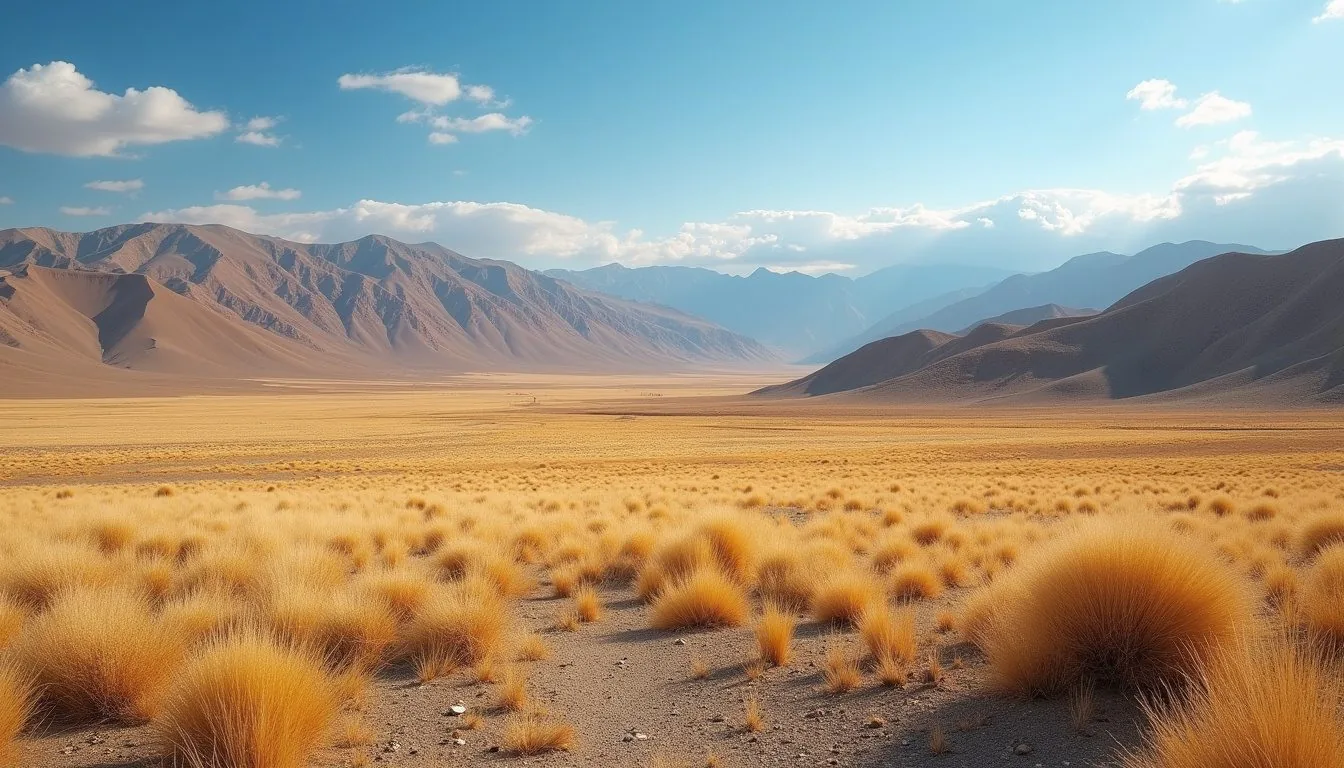
Kazakhstan Nature: Steppes, Mountains, Deserts & National Parks
Kazakhstan's nature spans steppe, mountains, desert, and lakes. Guide to national parks, Charyn Canyon, Altyn Emel, saiga antelopes, and snow leopards.
travel
Almaty vs Astana: Which City Should You Visit in Kazakhstan?
Almaty vs Astana compared — climate, cost, attractions, nightlife, mountains, and architecture. Which Kazakhstan city is right for your trip?
travel
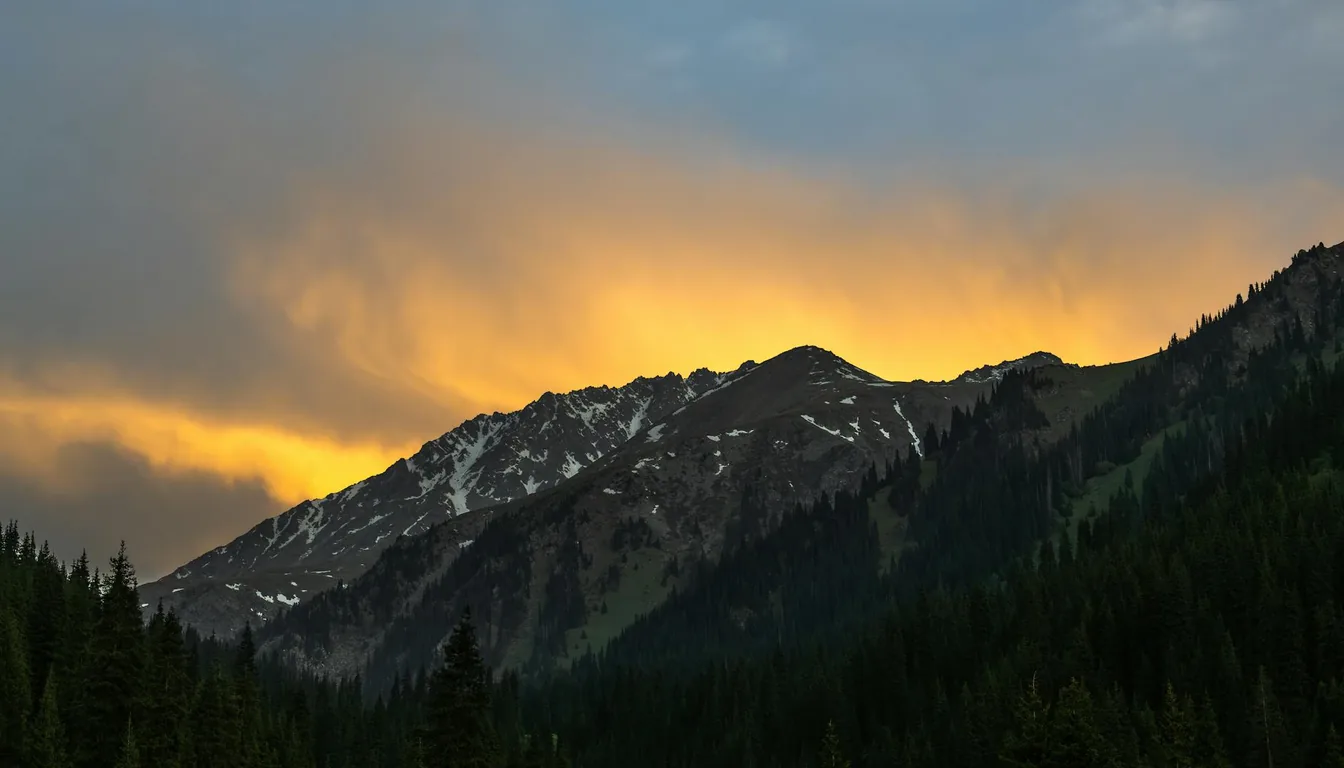
Best Time to Visit Almaty: Month-by-Month Guide
When to visit Almaty — complete month-by-month breakdown covering weather, crowds, mountain conditions, festivals, and practical travel tips for every season.