Kazakhstan Money & Currency: Tenge Guide for Travelers
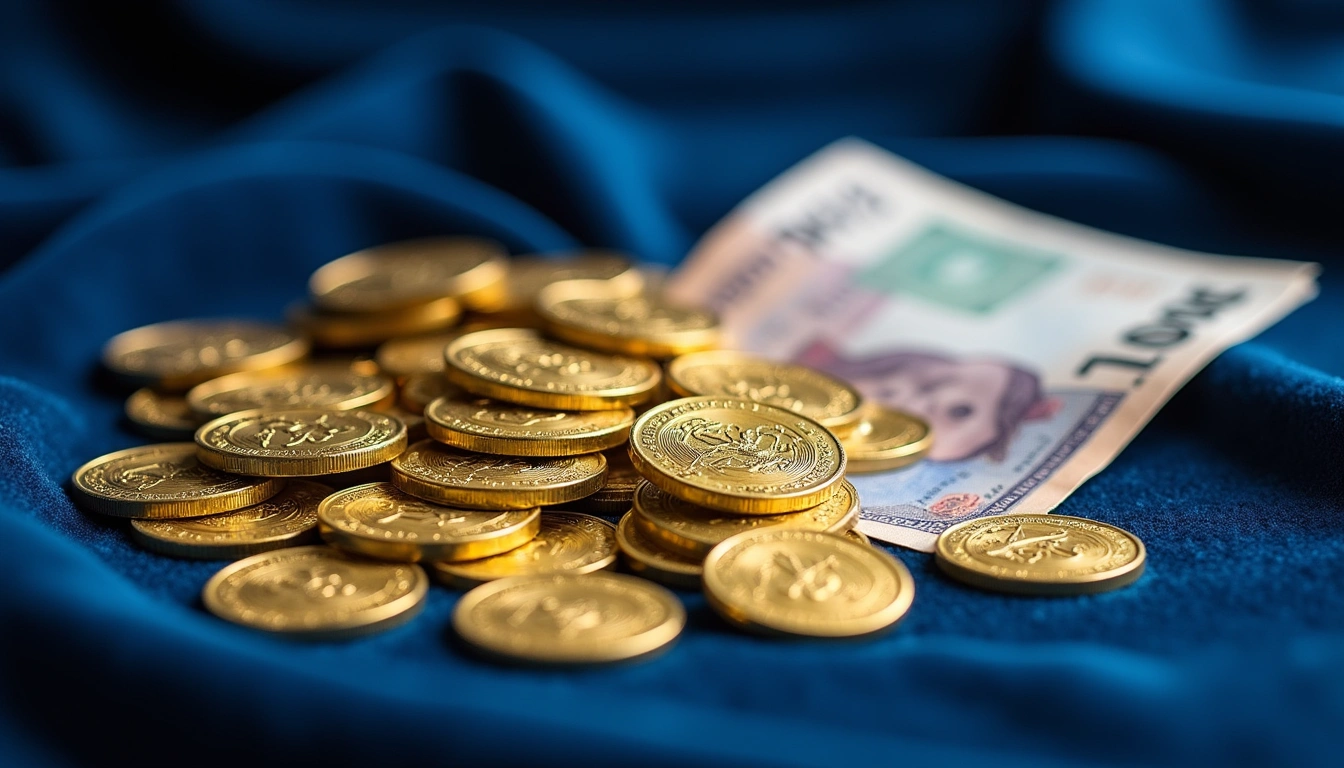
Kazakhstan uses the Kazakhstani tenge (₸, currency code KZT) as its official currency. As of 2026, 1 US dollar equals approximately 480–520 KZT (rates fluctuate; check xe.com for current rates). According to the National Bank of Kazakhstan annual report, the tenge has been Kazakhstan’s sole legal tender since November 15, 1993, when it replaced the Soviet ruble. Whether you are visiting Almaty or Astana, managing money is straightforward. The country has modern banking infrastructure, widespread card and digital payment acceptance, and a well-functioning cash economy for markets and smaller businesses.
Basic Currency Facts
| Detail | Information |
|---|---|
| Currency name | Kazakhstani tenge (тенге) |
| Currency code | KZT |
| Symbol | ₸ |
| Subunit | 1 tenge = 100 tiyn (rarely used) |
| Issuing authority | National Bank of Kazakhstan (est. 1993) |
| Exchange rate (2026) | ~480–520 KZT per 1 USD (check xe.com for current rates) |
| Banknotes in circulation | 200, 500, 1,000, 2,000, 5,000, 10,000, 20,000 KZT |
| Coins in circulation | 1, 2, 5, 10, 20, 50, 100, 200 KZT |
| Currency regime | Managed float (National Bank of Kazakhstan) |
Source: National Bank of Kazakhstan, 2026
Key fact: The word “tenge” (теңге) comes from medieval Turkic, meaning a unit of weight or value, historically referring to silver coins used along the Silk Road. The ₸ symbol was officially adopted in 2007.
Exchange Rate Conversion Table
Here are the current approximate exchange rates for converting major currencies to Kazakhstani tenge (as of March 2026):
| Currency | Code | Rate per 1 Unit (KZT) | 100 Units in KZT |
|---|---|---|---|
| US Dollar | USD | ~520 ₸ | 52,000 ₸ |
| Euro | EUR | ~565 ₸ | 56,500 ₸ |
| British Pound | GBP | ~660 ₸ | 66,000 ₸ |
| Russian Ruble | RUB | ~5.5 ₸ | 550 ₸ |
| Chinese Yuan | CNY | ~71 ₸ | 7,100 ₸ |
| Turkish Lira | TRY | ~14 ₸ | 1,400 ₸ |
| Uzbek Som | UZS | ~0.04 ₸ | 4 ₸ |
| Kyrgyz Som | KGS | ~5.8 ₸ | 580 ₸ |
Rates fluctuate daily. Check xe.com or the Kaspi Bank app for live rates before exchanging.
Quick mental math tip: To convert KZT to USD, divide by 500. A meal that costs 5,000 ₸ is roughly $10. A hotel at 25,000 ₸ is about $50. This approximation works well for quick budget calculations.
History of the Tenge
The tenge has a fascinating history tied to Kazakhstan’s independence:
- November 15, 1993: According to the National Bank of Kazakhstan, Kazakhstan introduced the tenge, replacing the Soviet ruble at a rate of 1 tenge = 500 rubles. Kazakhstan was one of the last former Soviet republics to adopt its own currency, intentionally waiting to maintain economic stability during the turbulent early 1990s.
- 1993–2013: The tenge remained relatively stable, trading between 120–155 KZT/USD for most of this period, supported by strong oil revenues.
- February 2014: First major devaluation. The National Bank allowed the tenge to drop from ~155 to ~185 KZT/USD (a 19% devaluation in one day) to remain competitive with the falling Russian ruble.
- August 2015: Kazakhstan abandoned its currency corridor and moved to a free-floating exchange rate. The tenge immediately fell from ~188 to ~255 KZT/USD, eventually reaching ~340 by year’s end.
- 2016–2019: Gradual stabilization around 340–380 KZT/USD as oil prices recovered.
- 2020: COVID-19 pushed the rate to ~430 KZT/USD.
- 2022: Russia-Ukraine war caused regional shockwaves and the rate spiked to ~500 KZT/USD before stabilizing.
- 2025–2026: The rate has settled around ~480–520 KZT/USD.
Why the tenge moves: According to OPEC data, Kazakhstan is the largest oil producer in Central Asia (1.8 million barrels/day, OPEC 2025). When oil prices fall, the tenge weakens, and your foreign currency stretches further. The Russian ruble also influences the tenge due to deep trade ties between the two countries (Russia accounts for ~20% of Kazakhstan’s imports, UN Comtrade 2024).
Banknote and Coin Guide
Understanding Kazakhstan’s banknotes helps you handle money confidently. All tenge banknotes feature landmarks, national symbols, and security features:
| Banknote | Color | Front Design | Approximate USD Value |
|---|---|---|---|
| 200 ₸ | Orange-brown | National emblem, hand of Baiterek | ~$0.38 |
| 500 ₸ | Blue-purple | National emblem, Baiterek Tower | ~$0.96 |
| 1,000 ₸ | Brown-gold | Kultegin monument | ~$1.92 |
| 2,000 ₸ | Green | Al-Farabi, Turkestan mausoleum | ~$3.85 |
| 5,000 ₸ | Orange-red | National emblem, Independence Monument | ~$9.60 |
| 10,000 ₸ | Purple | Snow leopard, mountain landscape | ~$19.20 |
| 20,000 ₸ | Blue-green | Ak Orda presidential palace | ~$38.50 |
Practical note: The 1,000 ₸ and 5,000 ₸ notes are the most useful for daily transactions. Keep plenty of these for markets, taxis, and small purchases. 20,000 ₸ notes can be difficult to break at small shops, so avoid receiving them if possible.
Coins: While coins from 1 to 200 ₸ exist, you will mostly encounter 50 ₸, 100 ₸, and 200 ₸ coins in daily use. Lower denominations are rarely used. Kazakhstan also issues commemorative coins that occasionally appear in circulation.
Getting Cash: ATMs and Currency Exchange
ATMs in Kazakhstan
ATMs are plentiful across Kazakhstan’s cities. Here are the major ATM networks and what to know about each:
| Bank | ATM Color | Locations | Notes |
|---|---|---|---|
| Kaspi Bank | Bright yellow | Everywhere (malls, streets, gas stations, bazaars) | Most common ATM in Kazakhstan; excellent coverage |
| Halyk Bank | Green | City centers, airports, malls | Second-largest network; accepts all major cards |
| Forte Bank | Red-orange | Shopping centers, business districts | Good for Mastercard withdrawals |
| Jusan Bank | Blue | Almaty and Astana primarily | Modern ATMs with English interface |
| Bereke Bank | Dark blue | Major cities | Former Sberbank network |
ATM tips for travelers:
- Visa and Mastercard are accepted at virtually all ATMs in cities
- UnionPay is accepted at Halyk Bank and some Kaspi ATMs
- American Express is not widely supported, so do not rely on it
- Withdrawal limits: Typically 200,000–300,000 ₸ per transaction (~$385–575)
- Fees: Your home bank charges $3–5 per withdrawal + possible local ATM fee of 200–500 ₸
- Strategy: Withdraw larger amounts less frequently to minimize per-transaction fees
- Language: Most ATMs in Almaty and Astana offer English-language interfaces
- Rural areas: ATMs in small towns may run out of cash on weekends or be offline. Always carry cash when leaving major cities
Currency Exchange Offices
Exchange offices (обменный пункт / obmennyy punkt) are found throughout every Kazakhstan city:
- Best rates: Independent exchange offices in city centers, especially around Zelyony Bazaar and Arbat Street in Almaty, and around Khan Shatyr in Astana
- Acceptable rates: Banks (Kaspi, Halyk), slightly worse than independent offices but reliable and secure
- Worst rates: Airport exchange offices, convenient but typically 3-5% worse than city rates
- Best currencies to bring: USD and EUR are universally accepted. GBP and CHF also exchangeable. Russian rubles are easily exchanged everywhere. Chinese yuan is exchangeable in Almaty and eastern Kazakhstan.
Pro tip: Compare rates at 2–3 exchange offices before exchanging large amounts. Rates can vary by 2–5% between offices on the same street. Exchange offices do not charge commission. The rate you see is the rate you get.
Currency at Border Crossings
If entering Kazakhstan overland:
- From Russia: Russian rubles are easily exchanged at all border towns
- From Kyrgyzstan: Kyrgyz som exchangeable in southern Kazakhstan and Almaty
- From China: Chinese yuan exchangeable in Almaty and eastern Kazakhstan (Khorgos, Taldykorgan)
- From Uzbekistan: Uzbek som exchangeable in Shymkent and Turkestan
Digital Payments in Kazakhstan
According to IMF financial inclusion reports, Kazakhstan has one of the most advanced digital payment ecosystems in Central Asia. The country leapfrogged traditional banking in many ways, with a growing majority of urban transactions now cashless based on National Bank of Kazakhstan data.
Kaspi Bank and Kaspi QR
Based on Kaspi.kz investor reports, Kaspi Bank dominates Kazakhstan’s fintech landscape. The Kaspi.kz super-app is used by over 13 million Kazakhstanis (65% of the population) for payments, transfers, shopping, and bill payment. You will see the bright yellow Kaspi QR code at virtually every business, from high-end restaurants to roadside fruit sellers.
For international tourists: You cannot use Kaspi QR without a Kazakhstani bank account and local phone number. However, knowing what it is avoids confusion when you see it at checkout.
Card Payments (Visa, Mastercard)
According to World Bank financial inclusion data, card acceptance has expanded dramatically since 2020:
Cards widely accepted:
- Supermarkets (Magnum, Small, Galmart, Metro Cash & Carry)
- Restaurants and cafes in Almaty and Astana
- Hotels (international and most local)
- Shopping malls and brand stores
- Ride-hailing apps (Yandex Go, inDriver)
- Major tourist attractions and museums
- Gas stations (on main highways)
Cash usually required:
- Traditional bazaars (Zelyony Bazaar, Barakholka)
- Street food vendors and small cafes
- Marshrutkas (minibuses) and intercity buses
- Smaller guesthouses and family-run accommodation
- Rural areas and small towns
Apple Pay, Google Pay & Samsung Pay
- Apple Pay: Works in Kazakhstan at most POS terminals that accept contactless payments. Your international Apple Pay card should work if your bank supports international contactless transactions.
- Google Pay: Available and widely accepted at contactless terminals.
- Samsung Pay: Supported at most contactless-enabled terminals.
Caveat: Contactless payment terminals are common in Almaty and Astana but less reliable in smaller cities. Always carry a physical card as backup.
How to Get the Best Exchange Rate
Follow these practical tips to maximize your money in Kazakhstan:
-
Use a travel-friendly bank card. Cards from Wise, Revolut, or Charles Schwab offer near-interbank exchange rates with low or zero ATM fees. This is almost always better than exchanging cash.
-
Avoid airport exchange offices. Rates are typically 3–5% worse than city center offices. If you need cash immediately upon arrival, withdraw a small amount from an airport ATM instead.
-
Decline Dynamic Currency Conversion (DCC). When paying by card, if the terminal asks “pay in your home currency or KZT?”, always choose KZT. DCC uses a terrible exchange rate and can cost you 4–7% extra.
-
Exchange USD or EUR in city centers. Independent exchange offices near Zelyony Bazaar (Almaty) offer the best cash exchange rates. Bring crisp, post-2006 $100 bills for the best rates. Old, torn, or marked bills may be rejected or exchanged at worse rates.
-
Check the Kaspi app for reference rates. Even though you can’t use Kaspi as a tourist, their exchange rate display (visible on Google by searching “USD to KZT”) shows you the fair market rate.
-
Withdraw from Halyk Bank ATMs. They tend to charge no local ATM fee on international cards, so only your home bank’s fee applies.
-
Avoid carrying large amounts of RUB. The Russian ruble has been volatile since 2022, and you may lose value holding it. Convert to KZT soon after arriving.
Cost of Common Items in Kazakhstan
Here is what things actually cost in Kazakhstan, helping you budget for your trip. Prices reflect typical costs in Almaty and Astana as of early 2026:
Food and Drink
| Item | Price (KZT) | Price (USD) |
|---|---|---|
| Espresso at a cafe | 800–1,500 ₸ | $1.50–2.90 |
| Cappuccino | 1,200–2,000 ₸ | $2.30–3.85 |
| Lunch at a local cafe (beshbarmak, plov) | 1,800–3,500 ₸ | $3.45–6.75 |
| Dinner at a mid-range restaurant | 5,000–12,000 ₸ | $9.60–23.00 |
| Fine dining meal | 15,000–30,000 ₸ | $29.00–57.70 |
| Beer at a bar (0.5L) | 1,000–2,500 ₸ | $1.90–4.80 |
| Bottle of water (1.5L, shop) | 200–400 ₸ | $0.38–0.77 |
| Bread (loaf) | 200–500 ₸ | $0.38–0.96 |
Transport
| Item | Price (KZT) | Price (USD) |
|---|---|---|
| Almaty Metro (single ride) | 80–100 ₸ | $0.15–0.19 |
| City bus fare | 150–200 ₸ | $0.29–0.38 |
| Taxi across Almaty (Yandex Go) | 1,000–3,000 ₸ | $1.90–5.75 |
| Almaty → Astana flight (one-way) | 15,000–35,000 ₸ | $29–67 |
| Almaty → Astana train (platskart) | 5,000–8,000 ₸ | $9.60–15.40 |
| Gasoline (1 liter, AI-92) | 205–215 ₸ | $0.39–0.41 |
Accommodation
| Item | Price (KZT) | Price (USD) |
|---|---|---|
| Hostel bed (dorm) | 3,000–6,000 ₸ | $5.75–11.50 |
| Budget hotel (2-star) | 8,000–15,000 ₸ | $15.40–28.85 |
| Mid-range hotel (3-star) | 18,000–35,000 ₸ | $34.60–67.30 |
| 4-star hotel | 40,000–80,000 ₸ | $77.00–154.00 |
| 5-star hotel (Ritz-Carlton Almaty) | 120,000–250,000 ₸ | $231–481 |
Activities
| Item | Price (KZT) | Price (USD) |
|---|---|---|
| Museum entry | 500–2,000 ₸ | $0.96–3.85 |
| Shymbulak ski lift (day pass) | 10,000–18,000 ₸ | $19.20–34.60 |
| Charyn Canyon tour (from Almaty) | 15,000–25,000 ₸ | $29–48 |
| Medeu skating rink entry | 1,800–3,000 ₸ | $3.45–5.75 |
| SIM card with data (30 days) | 2,000–5,000 ₸ | $3.85–9.60 |
For a detailed breakdown of daily budgets and living expenses, see our Kazakhstan cost of living guide.
Daily Budget Summary
| Travel Style | Daily Budget (KZT) | Daily Budget (USD) |
|---|---|---|
| Backpacker (hostel, street food, public transport) | 6,000–10,000 ₸ | $11.50–19.20 |
| Mid-range (3-star hotel, restaurants, occasional taxi) | 20,000–40,000 ₸ | $38.50–77.00 |
| Comfortable (4-star hotel, nice restaurants, tours) | 60,000–120,000 ₸ | $115–231 |
| Luxury (5-star hotel, fine dining, private guides) | 200,000+ ₸ | $385+ |
For budget-saving strategies, check our guide on traveling Kazakhstan on a budget. If you need to send money to Kazakhstan from abroad, services like Wise and Western Union offer competitive rates.
Tipping Culture in Kazakhstan
Tipping is not mandatory in Kazakhstan but is becoming more common, especially in Almaty and Astana:
| Setting | Tipping Custom |
|---|---|
| Restaurants | 10% for good service; some upscale places add a 10–15% service charge, so check the bill |
| Cafes | Round up or leave small change |
| Taxis (Yandex Go) | Not expected; round up if you wish |
| Tour guides | $5–20/day depending on quality and group size |
| Hotel porters | 500–1,000 ₸ ($1–2) |
| Haircuts/spas | 10% |
| Home hospitality | Bring a gift (sweets, fruit, something from your home country). Cash is inappropriate |
Cultural note: In traditional Kazakh culture, hospitality (қонақжайлылық / qonaqzhailylyq) is deeply valued. If invited to a Kazakh home for a meal, offering money would be offensive. A thoughtful gift is the correct gesture.
Avoiding Common Money Problems
Notify your bank before traveling. Many foreign cards get blocked for “suspicious foreign activity” in Kazakhstan. Call your bank or set a travel notice in your banking app before departure.
Carry backup payment methods. Bring at least two cards from different banks (ideally one Visa, one Mastercard) plus some emergency cash in USD. If one card fails, you have alternatives.
Keep small bills. Always carry 500 ₸ and 1,000 ₸ notes for markets, buses, and tips. Large bills (10,000 ₸ and 20,000 ₸) can be difficult to break at small vendors.
Check for counterfeit notes. Counterfeit tenge is rare but exists. Real tenge notes have clear security features including watermarks, metallic security strips, color-shifting ink, and microtext. When receiving large notes in change, hold them up to the light briefly.
Keep $50–100 USD as emergency backup. US dollars are universally recognized in Kazakhstan’s major cities as a last resort.
Declare large amounts at customs. If carrying more than $10,000 USD equivalent in cash, you must declare it when entering or leaving Kazakhstan. Failure to declare can result in confiscation.
Use hotel safes. Keep your emergency cash and backup cards in your hotel safe, not all in one wallet.
For more practical travel tips, see our guide to things to do in Kazakhstan.
Frequently Asked Questions
- What currency does Kazakhstan use?
- Kazakhstan uses the Kazakhstani tenge (₸, KZT) as its official currency. As of 2026, the exchange rate is approximately 480–520 tenge per 1 US dollar (rates fluctuate; check xe.com for current rates). The tenge was introduced on November 15, 1993, replacing the Soviet ruble. It is issued by the National Bank of Kazakhstan and is a freely convertible currency.
- Can I use US dollars or euros in Kazakhstan?
- US dollars and euros are not accepted for direct payment at shops and restaurants. You need tenge for virtually all purchases. However, USD and EUR are the best currencies to bring for exchange at currency offices. ATMs throughout Kazakhstan dispense tenge using your foreign bank card. In rare emergencies, some upscale hotels may accept USD directly.
- Where are the best ATMs in Kazakhstan?
- Kaspi Bank ATMs (bright yellow) are the most widespread in Kazakhstan, found in every mall, street corner, and gas station. Halyk Bank (green) ATMs are the second-largest network and tend to charge no local fee on international cards. Both accept Visa and Mastercard. ATMs are plentiful in Almaty and Astana but less reliable in rural areas. Always carry cash when leaving major cities.
- Can I use Apple Pay or Google Pay in Kazakhstan?
- Yes, Apple Pay and Google Pay work at most contactless payment terminals in Almaty and Astana. Shopping malls, supermarkets, restaurants, and hotels generally accept contactless payments. However, coverage is less reliable in smaller cities and rural areas, so always carry a physical card and some cash as backup.
- How much money do I need per day in Kazakhstan?
- Budget travelers can manage on $11–19 per day (hostel, street food, public transport). Mid-range comfort costs $38–77 per day (3-star hotel, restaurants, occasional taxi). A comfortable trip with 4-star hotels and tours costs $115–230 per day. Kazakhstan is significantly cheaper than Western Europe but slightly pricier than Kyrgyzstan or Uzbekistan.
- What is Kaspi QR and can tourists use it?
- Kaspi QR is Kazakhstan's dominant mobile payment system, used by over 13 million Kazakhstanis via the Kaspi.kz super-app. You will see yellow QR codes at nearly every business. Unfortunately, international tourists cannot use Kaspi QR without a Kazakhstani bank account and local phone number. International Visa and Mastercard are accepted as alternatives at most businesses in cities.
More Stories
travel
12 Best Day Trips from Almaty: Complete Guide 2026
Best Almaty day trips — Charyn Canyon, Big Almaty Lake, Kolsai Lakes, Tamgaly petroglyphs, Altyn-Emel. Distances, costs, and how to get there.
travel
Almaty Nightlife: Best Bars, Clubs & Live Music
Almaty nightlife guide — best bars, clubs, live music, karaoke, rooftop venues, costs, safety tips, and where locals actually go. Complete 2026 guide.
travel
Almaty, Kazakhstan: Complete Travel Guide (2026)
Almaty travel guide — top attractions, neighborhoods, restaurants, hotels, transport, day trips, nightlife, and a 3-day itinerary for visitors.