Manty: Kazakhstan's Steamed Dumplings — Complete Guide
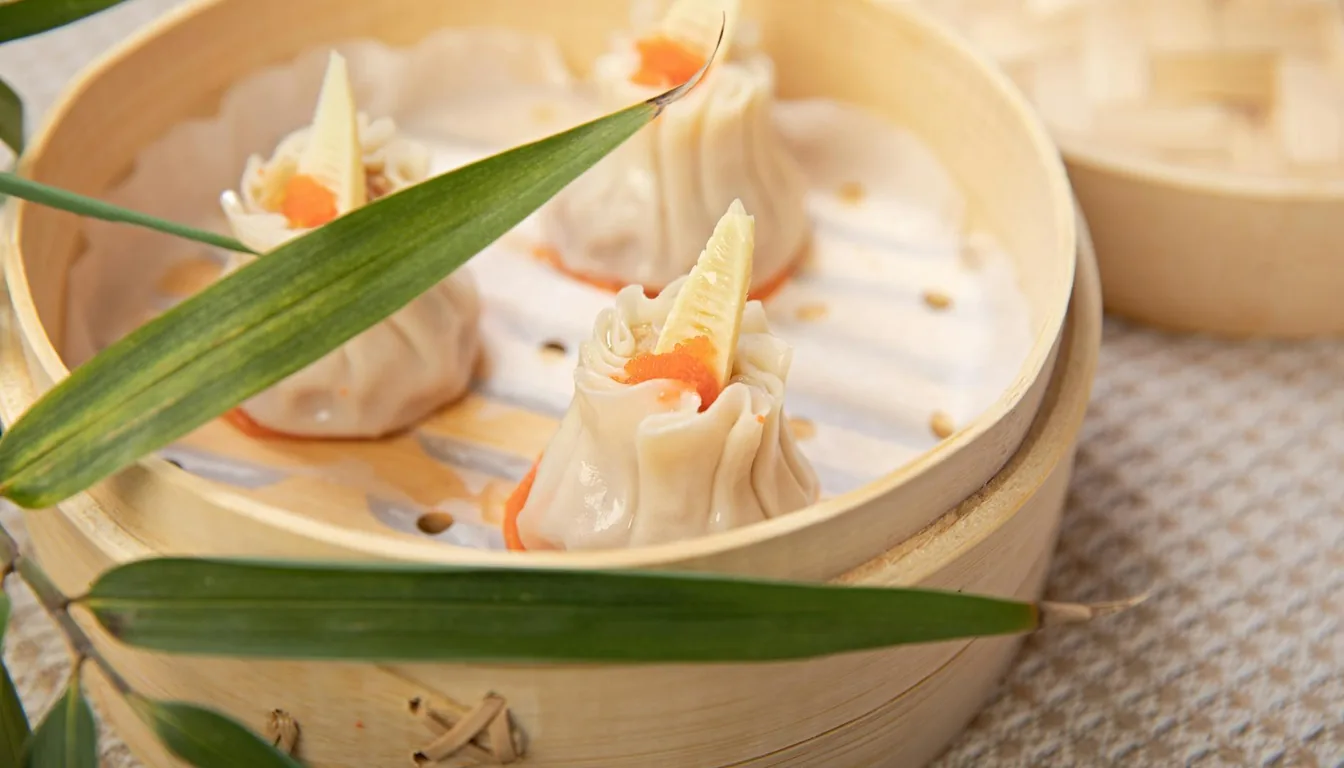
Manty are large steamed dumplings filled with spiced meat and onion, eaten across Kazakhstan, Uzbekistan, Kyrgyzstan, and much of Central Asia. In Kazakhstan, manty are a staple home-cooked dish and a fixture on every traditional restaurant menu. They are bigger, juicier, and more substantial than Chinese dumplings or Georgian khinkali — one serving of 5–6 pieces is a full meal.
The word “manty” comes from the Turkic word for dumpling, which is itself borrowed from the Chinese 饅頭 (mantou), reflecting centuries of Silk Road exchange. But Kazakh and Central Asian manty are entirely their own thing — the filling, the fold, the steaming method, and the sauces differ completely from East Asian versions.
What Are Kazakh Manty?
Kazakh manty are large hand-folded dumplings made from unleavened wheat dough, filled with a mixture of minced lamb or beef, raw onion, and fat (usually tail fat from a fat-tailed sheep). They are cooked exclusively by steaming in a special multi-tiered steamer called a mantovarka (or mantyshnitsa).
Key characteristics of authentic Kazakh manty:
- Size: Large — about the size of a fist. One dumpling weighs 60–80g.
- Dough: Thin but sturdy enough to hold the juicy filling without tearing
- Filling: 70% meat, 30% raw onion + fat. The fat is critical — it melts during steaming and creates the juice inside.
- Cooking: Steam only. Never boiled, never fried (those are different dishes).
- Fold: Pinched at the top into a distinctive “rose” or “pinwheel” shape
The result is a dumpling that is intensely savory, slightly fatty, and full of hot broth-like juice. Biting into one releases a burst of steam and liquid — this is the sign of a well-made manty.
Manty vs. Other Dumplings: What’s the Difference?
People often confuse manty with similar dumplings from neighboring cuisines. Here’s how they compare:
| Dumpling | Origin | Size | Cooking | Filling |
|---|---|---|---|---|
| Manty | Central Asia (Kazakhstan, Uzbekistan, Kyrgyzstan) | Large (60–80g) | Steam | Lamb/beef + raw onion + fat |
| Pelmeni | Russia / Siberia | Small (15–20g) | Boil | Pork/beef/pork mix |
| Khinkali | Georgia | Medium-large (40–60g) | Boil | Spiced beef/pork + herbs |
| Jiaozi | China | Small (10–15g) | Boil or pan-fry | Pork + cabbage |
| Momo | Tibet / Nepal | Small (15–20g) | Steam | Yak/chicken/veg |
The key distinction: Kazakh manty are always steamed, always large, and always have raw onion mixed into the filling — the onion cooks inside and its liquid becomes part of the juice that fills the dumpling.
Manty Filling: The Traditional Kazakh Recipe
Classic Lamb Manty Filling
The traditional filling is deceptively simple. The quality comes from the ratio of meat to fat to onion, and from chopping (not grinding) the meat.
Ingredients for filling (serves 4, ~20 manty):
- 500g lamb shoulder (or 400g beef + 100g lamb tail fat)
- 300g raw white onion (roughly 2 large onions)
- 100g lamb tail fat (kurдюк, qurduq) — or substitute beef suet
- 1 tsp salt
- 1 tsp black pepper
- ½ tsp cumin (optional)
The technique: Real manty filling is chopped with a knife, not processed through a meat grinder. Grinding the meat changes the texture completely — it becomes dense and dry when steamed. Hand-chopping into 3–5mm pieces keeps the texture loose so it stays juicy.
The onion should also be chopped fine and mixed in raw. It releases moisture during cooking.
The Dough
Ingredients for dough:
- 500g plain flour (all-purpose)
- 1 egg
- 200ml warm water
- 1 tsp salt
- 1 tsp vegetable oil
Knead for 10 minutes until smooth and elastic. Rest for 30 minutes covered. Roll out thin (2–3mm), cut into 10–12cm squares, add filling, fold.
The key is thin dough — thick dough makes a stodgy dumpling. The dough should be almost translucent when rolled out.
How to Fold Manty
The classic Kazakh fold:
- Place filling in center of dough square
- Bring two opposite corners together at the top and pinch
- Bring the remaining two corners up and pinch to the center
- Pinch the four “wings” together in pairs to seal
The result looks like a small parcel or rose when viewed from above. Different regions have different folds — some Uzbek styles leave the center open, Kyrgyz versions are round — but the Kazakh fold is always fully sealed to trap the juice.
Manty Variations in Kazakhstan
Pumpkin Manty (Asқабақ Manty)
A popular variation, especially in southern Kazakhstan and among Uzbek communities. The filling replaces some or all of the meat with finely chopped raw pumpkin, mixed with onion and fat. Pumpkin manty are sweeter, lighter, and widely liked as a vegetarian alternative (though usually still made with some fat).
Potato Manty
A simpler, more affordable version with boiled or raw chopped potato mixed with onion and fat. Common in home cooking when meat is expensive or during fasting periods.
Mixed Manty (Ет пен Асқабақ)
Meat and pumpkin combined — arguably the most balanced version. The pumpkin adds sweetness and moisture without removing the savory depth of the lamb.
Qazy Manty
A premium version using qazy (horse meat sausage filling) instead of regular lamb. Less common and typically served at celebrations.
What to Eat Manty With
Manty are always served with accompaniments. The standard options in Kazakhstan:
Sauces:
- Smetana (sour cream) — the most common. Thick, cold, slightly tangy. Cut the richness of the fat.
- Katyk — strained fermented milk, similar to labneh. Common in southern Kazakhstan.
- Vinegar sauce — white vinegar mixed with water, sometimes with garlic. More popular in Uzbek-style restaurants.
- Butter — simply melted butter poured over the manty. Rustic and very rich.
The technique: Hold the dumpling with both hands, bite a small hole in the bottom side first, and suck out the juice before eating the rest. This prevents the juice from running down your chin and wasting the best part.
Never cut manty with a knife and fork before eating — you’ll lose all the juice.
Where to Eat the Best Manty in Kazakhstan
In Almaty
- Navat Restaurant — high-quality traditional Kazakh cooking, manty as they should be
- Qazaq Gourmet — modern presentation, premium ingredients
- Green Bazaar area restaurants — cheap, fast, authentic
- Tandoor restaurants in Shanyrak and Alatau districts — neighborhood spots where locals eat
In Astana
- Bayterek Restaurant — classic Kazakh menu including excellent manty
- Any stolovaya (canteen) near office buildings — affordable, home-style manty
In Shymkent
Shymkent has the strongest Uzbek-Kazakh food culture. The manty here are often made with more cumin and served with katyk. The city’s bazaar area has the best versions.
Across Kazakhstan
Mantishnitsa (manty-specific casual restaurants) exist in every city — small, fast, cheap places where a plate of 5 manty costs $2–4. These are the local equivalent of a dumpling house.
Manty vs. Pelmeni: Which Is Better?
This is a genuine debate in Kazakhstan, where both are staples. Here’s the honest breakdown:
Manty wins when:
- You want a full, satisfying meal (5 manty = full)
- You prefer lamb over pork
- You want something more special/festive
Pelmeni wins when:
- You want something quicker to prepare
- You want to eat more pieces (pelmeni are addictive in quantity)
- You prefer boiled to steamed
Most Kazakhstanis would say manty is the more “Kazakh” dish, while pelmeni is the Soviet-era staple eaten in everyday life. Both are loved.
Manty at Home: Tips from Kazakh Cooks
After interviewing home cooks in Almaty and researching traditional recipes, here are the key things that separate excellent manty from mediocre ones:
-
Use tail fat (kurdyuk) — This is non-negotiable for authentic flavor. Tail fat from fat-tailed sheep has a unique flavor. If unavailable, beef suet works but the result is different.
-
Don’t skip the onion — The 30% onion ratio is what creates the juice inside. Less onion = dry manty.
-
Chop, don’t grind — Hand-chopped meat has a completely different texture when steamed.
-
Thin dough — Roll it thinner than you think you should. Thick dough ruins the balance.
-
Oil the steamer tiers — Manty stick badly to ungreased surfaces and will tear when removed.
-
Steam for exactly 45 minutes — 40 minutes is underdone (dough not fully cooked), 50 minutes and the dough becomes gummy.
-
Don’t crowd the steamer — Leave space between each manty so steam circulates.
Manty Across Central Asia
Manty are the shared culinary heritage of Turkic and Persian Central Asia. Here’s how they vary by country:
Uzbekistan: Slightly smaller, more cumin and dill in the filling. Often served with katyk (drained yogurt) and butter. Uzbek manty restaurants (mantikhonas) are their own institution.
Kyrgyzstan: Similar to Kazakh style but sometimes with potato and pumpkin mixed with meat. Round shape is common.
Tajikistan: Similar to Uzbek style. Sometimes uses beef or a beef/lamb mix.
Turkmenistan: Camel meat manty exist in some regions — a unique variant not found elsewhere.
Afghanistan: Mantu (Afghan spelling) are smaller and typically topped with a yogurt and meat sauce, making them almost a different dish entirely.
Turkey: Mantı (Turkish) are tiny — much smaller than Central Asian versions — boiled and served with yogurt and paprika butter. A completely different eating experience despite the shared name.
Manty Nutrition Facts
| Component | Per 100g | Per serving (5 pieces, ~350g) |
|---|---|---|
| Calories | 198 kcal | 693 kcal |
| Protein | 11g | 38.5g |
| Fat | 9g | 31.5g |
| Carbohydrates | 19g | 66.5g |
Manty are calorie-dense by design — they were developed for people doing heavy physical labor in cold climates. The combination of meat protein, fat, and carbohydrate-rich dough provides sustained energy.
Is Manty Halal?
Yes. Traditional Kazakh manty are made with lamb or beef and are halal by default. Kazakhstan is a majority Muslim country, and manty are served everywhere from casual restaurants to formal banquets. The dish contains no pork and no alcohol.
Manty Pronunciation and Spelling
The word is spelled and pronounced differently across the region:
- Kazakh: Манты (manty) — pronounced “MAN-tuh” with a soft final vowel
- Uzbek: Manti — pronounced “mahn-TI”
- Turkish: Mantı — pronounced “mahn-TUH” (the ı is an unrounded vowel)
- English transliterations: manty, manti, mantu, mantou (though mantou usually refers to the plain Chinese steamed bun)
In search results you’ll see “manty kazakh”, “kazakh manti”, “central asian dumplings” — they all refer to the same dish.
Frequently Asked Questions
- What is manty in Kazakh cuisine?
- Manty are large steamed dumplings made from thin wheat dough filled with minced lamb or beef, raw onion, and tail fat. They are one of the most popular dishes in Kazakhstan and across Central Asia, typically served with sour cream or katyk.
- How are Kazakh manty different from Chinese dumplings?
- Kazakh manty are much larger (60–80g each versus 10–15g for jiaozi), always steamed (never boiled or fried), filled with lamb and raw onion rather than pork and cabbage, and served with sour cream or vinegar sauce rather than soy-based dips.
- What is the traditional manty filling?
- The classic Kazakh manty filling is hand-chopped lamb shoulder mixed with finely chopped raw onion, lamb tail fat (kurdyuk), salt, and black pepper. The raw onion and fat are essential — they create the juice that fills the inside of the dumpling during steaming.
- How long does it take to steam manty?
- Manty take exactly 45 minutes to steam over high heat in a mantovarka (tiered steamer). Under 40 minutes and the dough is not fully cooked. Over 50 minutes and the dough becomes gummy and loses its texture.
- What sauce is served with manty?
- In Kazakhstan, manty are most commonly served with smetana (thick sour cream). Other options include katyk (strained fermented milk), vinegar sauce, or simply melted butter. The correct technique is to bite a small hole first and drink the juice before eating the rest.
- Where can I eat manty in Kazakhstan?
- Manty are available everywhere in Kazakhstan — from dedicated mantishnitsa (manty restaurants) to traditional Kazakh restaurants, hotel restaurants, and home kitchens. In Almaty, Navat and Qazaq Gourmet serve excellent versions. A plate of 5 manty at a casual spot costs $2–4.
- Are manty and pelmeni the same thing?
- No. Manty are large, steamed, and filled with lamb and onion. Pelmeni are small, boiled, and typically filled with pork or a pork/beef mix. They share Central Asian and Siberian origins but are entirely different dishes in size, cooking method, and flavor.
More Stories
food
Popular Food in Kazakhstan: 12 Famous Dishes Travelers Notice First
Discover the most popular food in Kazakhstan, from beshbarmak and kazy to baursaki and plov. A quick guide to the dishes travelers see first.
food
Traditional Kazakhstan Food Recipes: 8 Dishes to Make at Home
Learn how to make traditional Kazakhstan food at home with simple recipes for beshbarmak, baursaki, plov, kurt, and other Kazakh staples.
food
Kazakhstan Food: 20 Traditional Dishes You Need to Try
Discover authentic Kazakhstan food from beshbarmak to baursak. A complete guide to traditional Kazakh dishes, drinks, and food culture for travelers.