What Is Kazakhstan Famous For? 15 Things That Define the Country

Kazakhstan is famous for being the world’s largest landlocked country, home to the first spaceport (Baikonur Cosmodrome), a nomadic heritage that shaped Central Asian history, extreme climate swings, horse-based cuisine, and a rapid modernization symbolized by the futuristic capital Astana. It sits between Russia and China and occupies more land than all of Western Europe combined.
15 Things Kazakhstan Is Famous For
1. The World’s Largest Landlocked Country
Kazakhstan covers 2.7 million square kilometers, making it the 9th largest country on Earth and the largest with no ocean coastline. It borders Russia, China, Kyrgyzstan, Uzbekistan, and Turkmenistan. The Caspian Sea touches its western edge, but since the Caspian is technically an enclosed body of water, Kazakhstan remains landlocked. For more geographic context, see our 14 facts about Kazakhstan.
2. Baikonur Cosmodrome — The First Spaceport
The Baikonur Cosmodrome in southern Kazakhstan is the world’s first and largest operational spaceport. Yuri Gagarin launched from here on the first human spaceflight in 1961. Baikonur is still actively used for crewed missions to the International Space Station. It is leased to Russia and accessible through organized tours.
3. Nomadic Heritage and Yurt Culture
Kazakhs were pastoral nomads for centuries, moving across the steppe with their herds and living in yurts (portable felt-covered dwellings). This nomadic heritage shapes modern Kazakh identity, hospitality customs, and cultural practices. Yurts are still used during holidays and festivals. Learn more in our Kazakhstan culture and traditions guide.
4. Astana’s Futuristic Architecture
Kazakhstan’s capital, Astana, was redesigned from a Soviet-era city into a showcase of modern architecture. Notable buildings include the Bayterek Tower, Khan Shatyr (the world’s largest tent), the Palace of Peace and Reconciliation (a glass pyramid), and the Nazarbayev Center. The city hosts the EXPO 2017 site. See our places to visit in Kazakhstan for a full list.
5. Horse Meat and Fermented Mare’s Milk
Kazakhstan is one of the few countries where horse meat is a dietary staple. Kazy (horse meat sausage) and beshbarmak (boiled meat with noodles) are national dishes. Kumis, fermented mare’s milk, is a traditional drink available in spring and summer. For a complete food guide, see Kazakhstan food: 20 traditional dishes.
6. Extreme Continental Climate
Kazakhstan experiences some of the most extreme temperature variations on Earth. Astana is the second-coldest capital city in the world, with winter temperatures dropping to -35C. Summer temperatures in the south can exceed 40C. The temperature range between seasons can exceed 70 degrees Celsius. See our weather by month guide for travel planning.
7. The Birthplace of Apples
The wild ancestor of all cultivated apple trees, Malus sieversii, still grows in the Tian Shan mountains of southeastern Kazakhstan. Almaty’s name is often translated as “father of apples” or “full of apples.” DNA research has confirmed that this region is where the domesticated apple originated.
8. Oil and Natural Resources
Kazakhstan has the largest oil reserves in Central Asia and significant deposits of uranium (world’s largest producer), chromium, zinc, and other minerals. The Tengiz and Kashagan oil fields in western Kazakhstan are among the largest in the world. Oil revenues have driven much of the country’s economic growth since independence.
9. Eagle Hunting
Eagle hunting (berkutchi) is an ancient Kazakh tradition where trained golden eagles hunt foxes and hares. The practice is over 1,000 years old and is recognized by UNESCO as Intangible Cultural Heritage. It is still practiced in western Kazakhstan and has gained international attention through documentaries and tourism. See our hunting in Kazakhstan guide for more.
10. The Silk Road
Multiple branches of the ancient Silk Road crossed Kazakhstan, connecting China to Europe through oasis cities like Turkistan, Otrar, and Taraz. The Mausoleum of Khoja Ahmed Yasawi in Turkistan is a UNESCO World Heritage Site from the Silk Road era. For a deeper exploration, see our Silk Road in Kazakhstan guide.
11. Dimash Kudaibergen
Dimash Kudaibergen is Kazakhstan’s most internationally recognized musician, known for his six-octave vocal range. He gained global fame after appearing on China’s Singer competition in 2017 and has since performed in over 40 countries. Read more about Dimash’s career and achievements.
12. Multi-Ethnic Society
Kazakhstan is home to over 130 ethnic groups, including Kazakhs, Russians, Uzbeks, Ukrainians, Uyghurs, Tatars, Germans, and Koreans. This diversity is a result of both Silk Road history and Soviet-era deportations. The country officially promotes interethnic harmony through the Assembly of People of Kazakhstan.
13. The Aral Sea Environmental Disaster
The Aral Sea, once one of the world’s four largest lakes, has largely dried up due to Soviet-era irrigation projects that diverted its feeder rivers. The northern section (in Kazakhstan) has been partially restored through the Kok-Aral Dam project, but the southern section (in Uzbekistan) remains mostly desert. It is considered one of the worst environmental disasters in human history.
14. Rapid Post-Soviet Development
Since independence in 1991, Kazakhstan has undergone rapid economic and urban development. The capital was moved from Almaty to Astana in 1997, the country hosted EXPO 2017, and it has become the dominant economy in Central Asia. GDP per capita is the highest in the region.
15. The Kazakh Khanate
The Kazakh Khanate, founded around 1465 by Kerei Khan and Janibek Khan, was the first unified Kazakh political entity. It is foundational to national identity and was commemorated with the 550th anniversary celebrations in 2015. For the full history, see our Kazakh Khanate guide.
Kazakhstan at a Glance
| Fact | Detail |
|---|---|
| Area | 2.7 million km2 (9th largest in the world) |
| Population | ~20 million (2024) |
| Capital | Astana |
| Largest city | Almaty |
| Languages | Kazakh (state), Russian (official) |
| Currency | Tenge (KZT) |
| Religion | ~70% Islam (moderate), secular state |
| Independence | December 16, 1991 |
| Key exports | Oil, uranium, grain, metals |
| Famous for | Baikonur, nomadic culture, Silk Road, extreme climate |
Frequently Asked Questions
- What is Kazakhstan most famous for?
- Kazakhstan is most famous for the Baikonur Cosmodrome (world's first spaceport), being the largest landlocked country, its nomadic yurt culture, extreme climate, the futuristic capital Astana, and horse meat cuisine including beshbarmak and kumis.
- Is Kazakhstan a rich country?
- Kazakhstan is classified as an upper-middle-income country by the World Bank. It has the highest GDP per capita in Central Asia, driven by oil, uranium, and mineral exports. However, wealth distribution is uneven between urban and rural areas.
- What language do they speak in Kazakhstan?
- Kazakh is the state language and Russian is an official language used in business and government. Most urban Kazakhs speak both. English is increasingly spoken in major cities, especially among younger generations.
- Is Kazakhstan in Europe or Asia?
- Kazakhstan spans both continents. The western part (about 5%) is geographically in Europe, while the rest is in Central Asia. Culturally and politically, Kazakhstan identifies as a Central Asian nation but is a member of UEFA (European football).
- What should I know before visiting Kazakhstan?
- Key things: visa-free for 60+ countries (30 days), extremely continental climate (check season), Kazakh and Russian are the main languages, the country is safe for tourists, and hospitality culture means you will be offered tea everywhere.
More Stories
facts
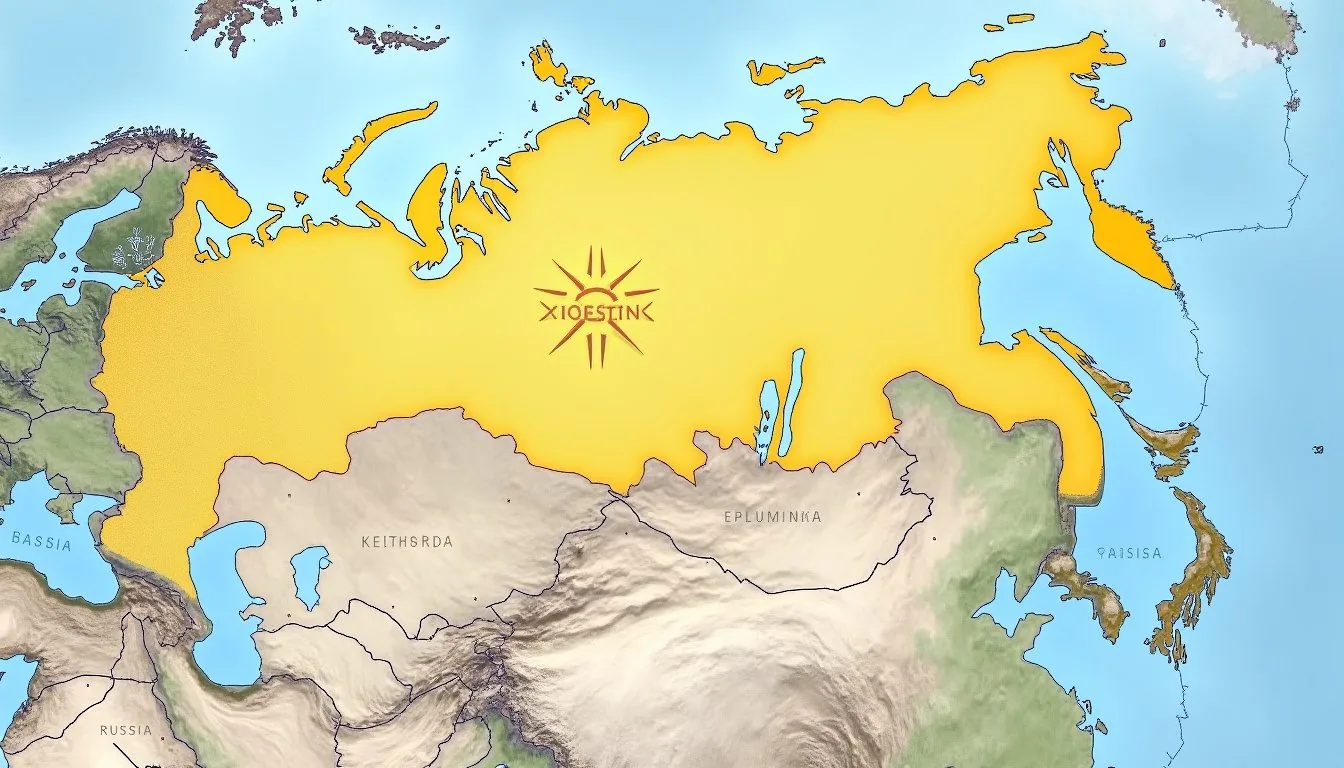
Is Kazakhstan in Russia? No — Here's Why People Get Confused
Kazakhstan is not Russia. It's been an independent country since 1991. Full explanation of geography, Soviet history, and its current relationship with Russia.
facts
Stan Countries: All 7 Nations Ending in -Stan Explained
Complete guide to all 7 stan countries — Kazakhstan, Uzbekistan, Tajikistan, Turkmenistan, Kyrgyzstan, Afghanistan, Pakistan with capitals and key facts.
facts
Kazakhstan History Timeline: From Steppe Empires to Independence
Explore Kazakhstan's history timeline from ancient nomads and the Silk Road to the Kazakh Khanate, Soviet rule, and modern independence.