Kazakhstan Travel Tips: 25 Things to Know
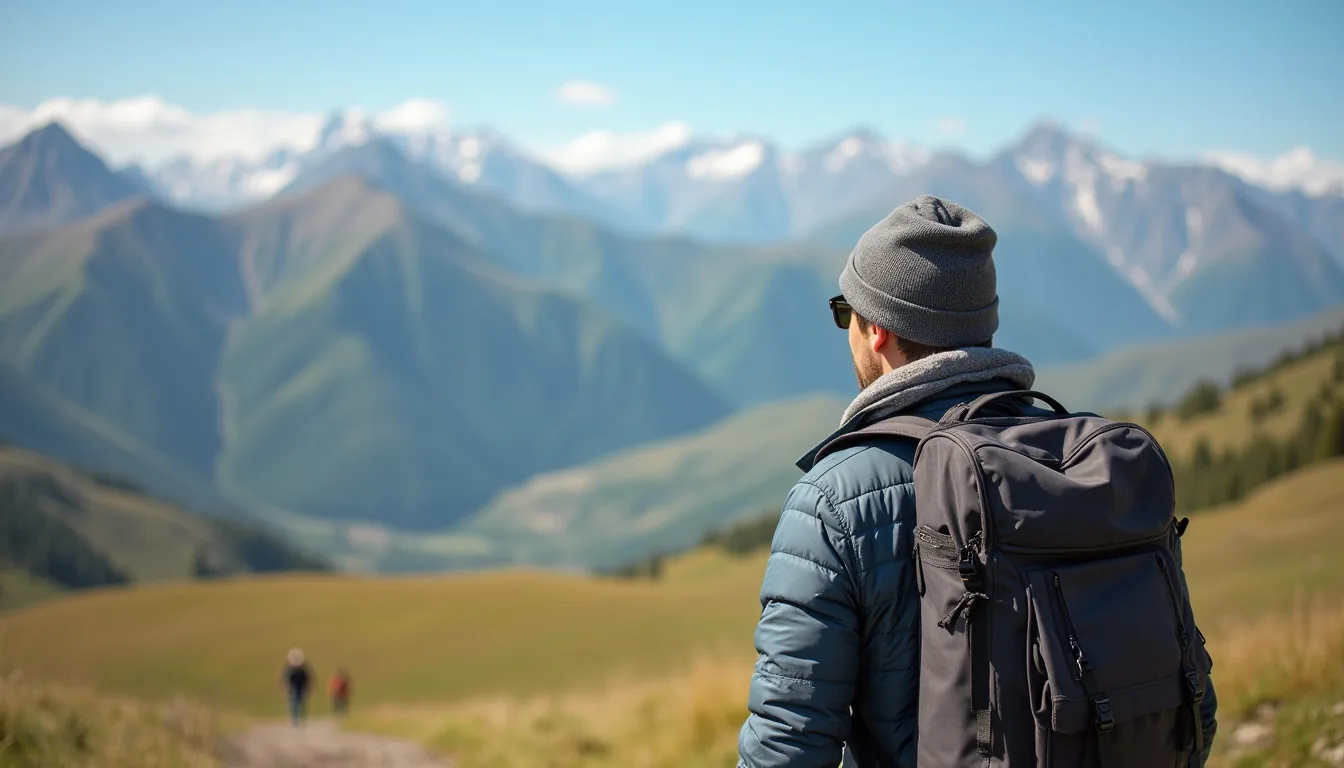
The most important Kazakhstan travel tips are: most Western passport holders enter visa-free for 30 days, Yandex Taxi is the only reliable way to get around cities, you should carry USD cash for exchange at licensed offices, local SIM cards cost under $5 at the airport, remove shoes when entering homes, and always accept tea when offered. Kazakhstan is safe, affordable, and increasingly tourist-friendly, but the country runs on unwritten rules that guidebooks rarely cover, and knowing them transforms your trip from frustrating to genuinely rewarding.
According to the US State Department country profile, Kazakhstan is the ninth-largest country on Earth, using a single time zone (UTC+5 since March 2024) and stretching from the Caspian Sea to the Chinese border. Despite its size, it receives fewer than one million international tourists annually, meaning you will encounter situations where no one speaks English, payment systems differ from what you know, and cultural norms catch you off guard. These 25+ travel tips, organized by category, cover everything from visa logistics to what happens when a Kazakh grandmother insists you eat more beshbarmak. Each tip comes from years of living in and traveling across the country.
Before You Go
Check Your Visa Status
According to the Kazakhstan Ministry of Foreign Affairs, citizens of 77 countries (including the US, UK, all EU members, Canada, Australia, Japan, and South Korea) can enter Kazakhstan visa-free for up to 30 days. No pre-registration, no invitation letter, just show up with a valid passport (at least six months validity remaining). If your country is not on the list, apply for an e-Visa at evisa.e-gov.kz, which costs approximately $80 and takes 10-15 business days to process. Check our complete Kazakhstan visa-free countries list for the full country list and entry requirements.
Get Travel Insurance
According to the Kazakhstan Ministry of Foreign Affairs consular advisory, Kazakhstan has decent hospitals in Almaty and Astana, but medical evacuation from remote areas is expensive. Travel insurance covering emergency evacuation is essential if you plan to hike in the Tian Shan or visit the Mangystau region. SafetyWing and World Nomads both cover Kazakhstan specifically. A basic policy runs $40-50 per month and covers medical expenses up to $250,000.
Pack for Extreme Temperature Swings
Kazakhstan’s continental climate means dramatic temperature differences, even within a single day. In summer, Almaty can be 35°C in the afternoon and 15°C at night. In winter, Astana regularly drops below -30°C. Pack layers regardless of season. Essential items: a quality sun hat, sunscreen (UV is intense at altitude), a packable down jacket, comfortable walking shoes, and a rain layer for mountain day trips. If visiting between November and March, bring serious winter gear: thermal base layers, insulated boots, and a heavy parka.
Download These Apps
Before landing, install these on your phone:
- Yandex Taxi: the essential taxi app; set destination on the map, no Russian needed
- Yandex Maps: more accurate than Google Maps for Kazakhstan, especially for public transit
- 2GIS: building-level navigation, floor plans for malls, phone numbers for businesses
- Google Translate: download the Russian language pack for offline camera translation
- Maps.me: offline maps for mountain areas where there is no cell signal
Register Your Accommodation
According to Kazakhstan’s Ministry of Internal Affairs migration regulations, all foreign visitors must register with migration authorities within five days of arrival. Hotels handle this automatically; just hand over your passport at check-in. If staying at an Airbnb or with friends, your host must register you at the local migration office (a 30-minute process). Keep the registration document you receive. Police can ask to see it, and you need it to exit the country without issues.
Money and Payments
The Kazakh tenge (KZT) is the national currency, and understanding how money works here prevents the most common tourist frustrations. For deeper detail, see our Kazakhstan money and currency guide.
Bring USD Cash for Exchange
US dollars get the best exchange rates at licensed exchange offices (obmennik), found on nearly every block in Almaty and Astana. Avoid airport exchange counters, where rates are 3-5% worse. Bring $200-400 in clean, undamaged bills (bills with marks, tears, or folds are regularly rejected). Euros and British pounds also exchange easily, but at slightly worse rates than USD.
Cards and ATMs
Visa and Mastercard work at most ATMs in Almaty and Astana. Halyk Bank and Kaspi Bank ATMs are the most reliable for foreign cards. Critical tip: notify your bank before traveling, since Kazakhstan transactions are flagged as suspicious by many Western banks, and getting your card unblocked from overseas is a nightmare. Withdraw tenge in larger amounts to minimize per-transaction fees. In rural areas and small towns, ATMs are scarce and cash is king.
Kaspi and Digital Payments
Kazakhstan is one of the most digitally advanced payment economies in Central Asia. The Kaspi app handles 80% of domestic transactions, from supermarkets to taxi drivers. However, Kaspi requires a Kazakh bank account, which tourists cannot easily open. Your fallback is cash plus your international Visa/Mastercard. Most restaurants, hotels, and shops in cities accept cards, but markets, small cafes, and taxis often do not.
Tipping Etiquette
According to the US State Department’s Kazakhstan country information page, tipping is not mandatory but is increasingly expected at sit-down restaurants, with 10% for good service as standard. Many upscale restaurants add a 10-15% service charge automatically (check your bill). Round up taxi fares to the nearest 500 KZT. Hotel porters expect 500-1,000 KZT. Tipping in cash is preferred even when paying the main bill by card.
Getting Around
Kazakhstan is massive (2,724 km from east to west), and how you move between and within cities significantly affects your experience. Check our flights to Kazakhstan guide for arrival logistics.
Yandex Taxi Is Non-Negotiable
This is the single most important practical tip in this guide. Never take a street taxi in Kazakhstan. Unlicensed drivers regularly overcharge foreigners by 3-5x. Yandex Taxi (or inDriver as a backup) shows the price before you confirm, routes are tracked by GPS, and you do not need to speak Russian. Download it before arrival, link your international card, and use it for every ride. A typical Almaty city ride costs 800-2,000 KZT ($1.50-4.00).
Domestic Flights
Kazakhstan’s size makes domestic flights essential. FlyArystan (the low-cost carrier) offers Almaty to Astana for $25-50 one way, Almaty to Aktau for $40-70. Air Astana covers the same routes at higher prices but with better service. Book 2-3 weeks ahead for the best fares. The flight from Almaty to Astana takes 1.5 hours versus 18 hours by bus.
Trains
The overnight sleeper train from Almaty to Astana (12-14 hours) is one of Central Asia’s great travel experiences. Book Kupe class (four-berth compartment) for $25-55. You sleep through the steppe and wake up in the capital. Lower berths are easier to access. Book via the KTZ (Kazakhstan Temir Zholy) website or 12go.asia. Platskart class (open dormitory car) costs $10-15 and is perfectly safe but louder.
Marshrutkas and City Buses
Almaty’s bus network is functional if chaotic. Routes are listed on 2GIS. Pay by contactless card or cash (150-200 KZT). Marshrutkas (minibuses) connect cities that planes and trains skip. They leave when full, cost very little, and the experience is authentic if uncomfortable. Almaty has a short metro line (two lines, limited stations) that is clean, efficient, and useful for a few specific routes.
Communication
Get a Local SIM Card
International roaming is expensive and often throttled. Buy a local SIM at the airport immediately after landing. Kcell and Beeline have desks in Almaty arrivals. A SIM costs about $2 and a 20GB data plan runs $5-10 for 30 days. You need your passport to register the SIM. Alternatively, buy an eSIM for Kazakhstan before departure through Airalo ($7-15 for 1-2 weeks), with no physical card needed if your phone supports eSIM.
The Language Barrier
Kazakh and Russian are both official languages. In practice, most urban communication happens in Russian. English is spoken at international hotels, upscale restaurants, airports, and by younger professionals in Almaty and Astana. Outside these contexts, English is unreliable. Learn these essentials: “Zdravstvuyte” (hello, formal), “Spasibo” (thank you in Russian), “Salam” (hello in Kazakh), “Rakhmet” (thank you in Kazakh). Google Translate’s camera mode reads Cyrillic signs and menus in real time and is a lifesaver. For more phrases, see our Kazakh language basics guide.
WiFi Availability
Free WiFi is standard in hotels, cafes, and restaurants in Almaty and Astana. Speeds are generally good (20-50 Mbps). In smaller cities and rural areas, WiFi quality drops significantly. Do not count on WiFi for navigation; have your SIM data or offline maps ready.
Culture and Etiquette
Understanding Kazakh cultural norms is not just polite; it actively improves your experience. People who show cultural awareness are treated as honored guests rather than random tourists. If you are traveling alone, Kazakhstan is generally very welcoming — read our dedicated guide on whether Kazakhstan is safe for solo female travellers.
Hospitality Is Sacred
Kazakh hospitality (konakasy) is legendary and not a tourist performance. If invited to a home, you will be fed extensively. Accept everything offered, at least a small portion. Tea will be poured repeatedly. The eldest person at the table is served first and begins eating first. If you are offered the sheep’s head at a dastarkhan (festive table), it is the highest honor, so accept graciously. Learn more in our culture of Kazakhstan guide.
Remove Shoes Indoors
Always remove your shoes when entering a Kazakh home. This is universal and non-negotiable. Slippers are usually provided. The same applies to some guesthouses and traditional accommodations.
Photography Rules
Do not photograph military installations, government buildings, police officers, or border facilities. Signs usually indicate restricted zones. At mosques, ask before photographing people praying. At markets, some vendors dislike being photographed, so ask first. Landscapes and general street scenes are fine everywhere.
Dress Code
Kazakhstan is secular and dress is generally relaxed in cities, and you will see everything from miniskirts to hijabs in Almaty. However, when visiting mosques: women should cover their heads (scarves are usually available at the entrance), both genders should cover shoulders and knees. In rural and southern areas (Shymkent, Turkestan), dress more conservatively out of respect.
Alcohol and Nightlife
Alcohol is legal, widely available, and socially accepted in Kazakhstan’s cities. Vodka is the traditional spirit, Kazakhstani beer (Tian Shan, Derbes) is cheap and drinkable, and Almaty has a growing cocktail bar scene. However, public drunkenness is frowned upon, and drinking is less visible in rural and southern regions. During Ramadan, restaurants remain open and serve alcohol, since Kazakhstan’s secular culture means no restrictions for visitors.
Safety and Health
Based on the US State Department travel advisory (Level 1 — Exercise Normal Precautions), Kazakhstan is one of the safest countries in Central Asia for tourists. For a full analysis, see our guide on whether Kazakhstan is safe for travel.
General Safety
Violent crime against tourists is extremely rare. The main risks are petty theft in crowded markets (Green Bazaar in Almaty), taxi scams (solved by using Yandex Taxi), and traffic (Kazakh driving can be aggressive, especially outside cities). Solo female travelers report generally positive experiences, though the usual precautions apply at night. Police may stop foreigners for document checks, so carry your passport and accommodation registration at all times.
Health Precautions
Tap water in Almaty and Astana is technically treated but most locals drink bottled or filtered water, so follow their lead. Altitude sickness is a real risk above 3,000m (Big Almaty Lake is at 2,510m, hiking routes go much higher). Pharmacies (apteka) are everywhere and many medications are available without prescription. Bring any prescription medications you need, since specific brands may not be available locally. No special vaccinations are required for Kazakhstan, but make sure routine vaccinations (tetanus, hepatitis A/B) are current.
Emergency Contacts
- Police: 102
- Ambulance: 103
- Fire: 101
- General emergency: 112 (English-speaking operators available in major cities)
- Tourist police (Almaty): +7 727 298 8888
Save these in your phone before arriving.
Food Tips
What to Try
Kazakh cuisine is meat-heavy and portion sizes are generous. Must-try dishes: beshbarmak (boiled meat and flat noodles, the national dish), manty (large steamed dumplings), lagman (noodle soup), kazy (horse meat sausage), baursak (fried dough, served with every meal), and koumiss (fermented mare’s milk, sour, fizzy, slightly alcoholic). The popular food in Kazakhstan guide covers the full list.
Where to Eat on a Budget
Stolovaya (Soviet-era canteens) serve hearty meals for 1,000-2,500 KZT ($2-5). Bazaars like Zelyony Bazaar in Almaty sell fresh samsa (baked pastries), fruits, and nuts at local prices. Chain cafes like Marrone Rosso and Coffee Boom offer reliable meals. Street food — samsa, shashlik (grilled meat skewers), and lagman from market stalls — is safe and delicious in established bazaars. For more strategies, see our Kazakhstan budget travel guide.
Dietary Restrictions
Vegetarians will struggle with traditional Kazakh cuisine, which centers on meat. Almaty has a growing number of vegetarian-friendly restaurants and cafes, but outside the city options are limited. Vegans should carry snacks. Halal food is the default at traditional restaurants. Pork is available but typically only at Russian or Korean restaurants.
Shopping and Souvenirs
The best souvenirs from Kazakhstan include handmade felt products (shyrdak rugs, felt slippers), Kazakh tea sets, horse hair ornaments, dried kurt cheese, and locally produced chocolate (Bayan Sulu and Rakhat brands are beloved). Bazaars offer the best prices — bargaining is expected at markets but not in shops. The Green Bazaar in Almaty and the Central Bazaar in Astana are the top spots. Shopping malls (Mega, Esentai, Dostyk Plaza) carry international brands at prices similar to Europe.
Best Time to Visit
The ideal time to visit Kazakhstan is May to June or September — warm days, cool nights, and manageable crowds. July and August are hot in the lowlands but perfect for mountain trekking. Winter (November to March) brings extreme cold to Astana and the north but excellent skiing at Shymbulak near Almaty. Avoid April — it is muddy and unpredictable everywhere. Read our full best time to visit Kazakhstan guide for a month-by-month breakdown.
| Season | Temperatures | Best For | Avoid |
|---|---|---|---|
| Spring (May-Jun) | 15-28°C | Cities, hiking, festivals | Early April (mud) |
| Summer (Jul-Aug) | 25-40°C | Mountains, lakes, camping | Lowland cities (heat) |
| Autumn (Sep-Oct) | 10-25°C | Cities, photography, food | Late October (cold snap) |
| Winter (Nov-Mar) | -30 to -5°C | Skiing, winter sports | Road travel (ice, closures) |
Packing Checklist
A quick-reference packing list for Kazakhstan:
- Universal: layers, sun protection, comfortable walking shoes, packable rain jacket, power adapter (Type C European plug), portable battery pack, reusable water bottle
- Summer: light breathable clothing, hiking boots for mountain trips, swimwear (for lakes)
- Winter: thermal base layers, insulated waterproof boots, heavy down jacket, wool hat, gloves, hand warmers
- Documents: passport (6+ months validity), printed hotel confirmations, travel insurance card, copies of passport stored separately
- Tech: phone with Yandex Taxi and Maps installed, offline maps downloaded, portable WiFi hotspot (optional)
Frequently Asked Questions
- What should I know before visiting Kazakhstan?
- The essentials: most Western passport holders enter visa-free for 30 days, Yandex Taxi is the must-have app for getting around cities, bring USD cash for exchange at licensed offices (avoid airport counters), get a local SIM at the airport for under $5, remove shoes when entering homes, always accept tea when offered, and download offline maps before heading to rural areas. The country is safe and affordable but runs on cultural norms worth learning in advance.
- Is Kazakhstan easy to travel around?
- Cities are easy — Almaty and Astana have taxi apps, good hotels, and some English in tourist areas. Between cities, domestic flights on FlyArystan are cheap ($25-70) and the overnight train from Almaty to Astana is excellent. Rural and remote areas like Mangystau or the high Tian Shan require more planning, a local guide or 4WD vehicle, and offline navigation. Overall, it is easier than most visitors expect.
- How much money do I need per day in Kazakhstan?
- Budget travelers spend $20-30 per day (hostel, stolovaya meals, public transport). Mid-range travelers spend $50-80 per day (3-star hotel, restaurants, Yandex Taxi). Comfort travelers spend $100-150+ per day (4-5 star hotel, fine dining, domestic flights). Almaty is roughly 60-70% cheaper than Western European cities for comparable quality.
- Do people speak English in Kazakhstan?
- English is spoken at international hotels, airports, upscale restaurants, and by younger professionals in Almaty and Astana. Outside these contexts, communication is in Russian or Kazakh. Google Translate camera mode reads Cyrillic menus and signs in real time. Yandex Taxi eliminates the language barrier for transport. Learning a few basic Kazakh phrases (Salam, Rakhmet) generates immediate warmth.
- Is it safe to travel to Kazakhstan?
- Kazakhstan is one of the safest countries in Central Asia for tourists. Violent crime against visitors is extremely rare. Main risks are petty theft at crowded markets, taxi scams (use Yandex Taxi to avoid these), and aggressive driving. Solo female travelers report positive experiences. Carry your passport and accommodation registration at all times, as police may check documents.
- What is the best time to visit Kazakhstan?
- May to June and September are ideal — warm days, cool nights, and manageable crowds. July and August are best for mountain trekking but uncomfortably hot in lowland cities. Winter (November to March) is extremely cold, especially in Astana and the north, but great for skiing at Shymbulak near Almaty. Avoid April, which is muddy and unpredictable everywhere.
More Stories
travel
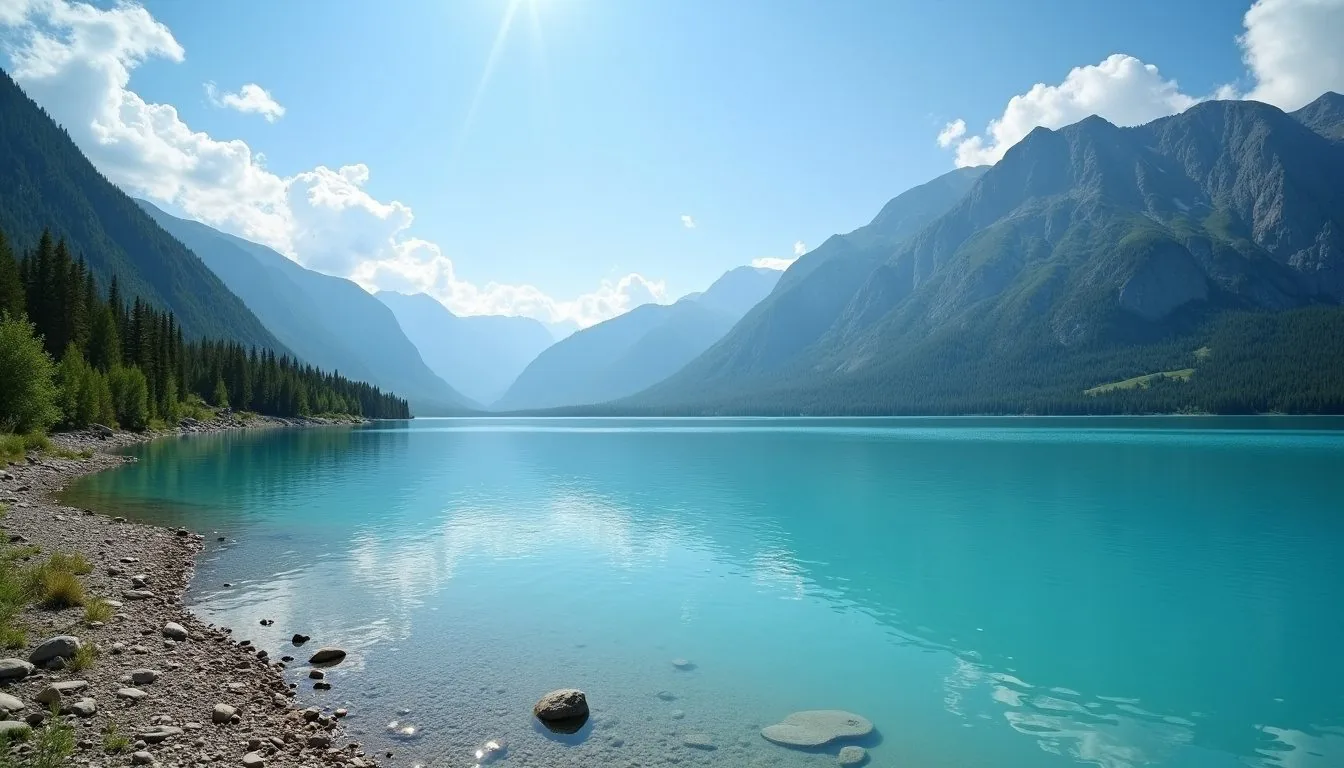
12 Best Day Trips from Almaty: Complete Guide 2026
Best Almaty day trips — Charyn Canyon, Big Almaty Lake, Kolsai Lakes, Tamgaly petroglyphs, Altyn-Emel. Distances, costs, and how to get there.
travel
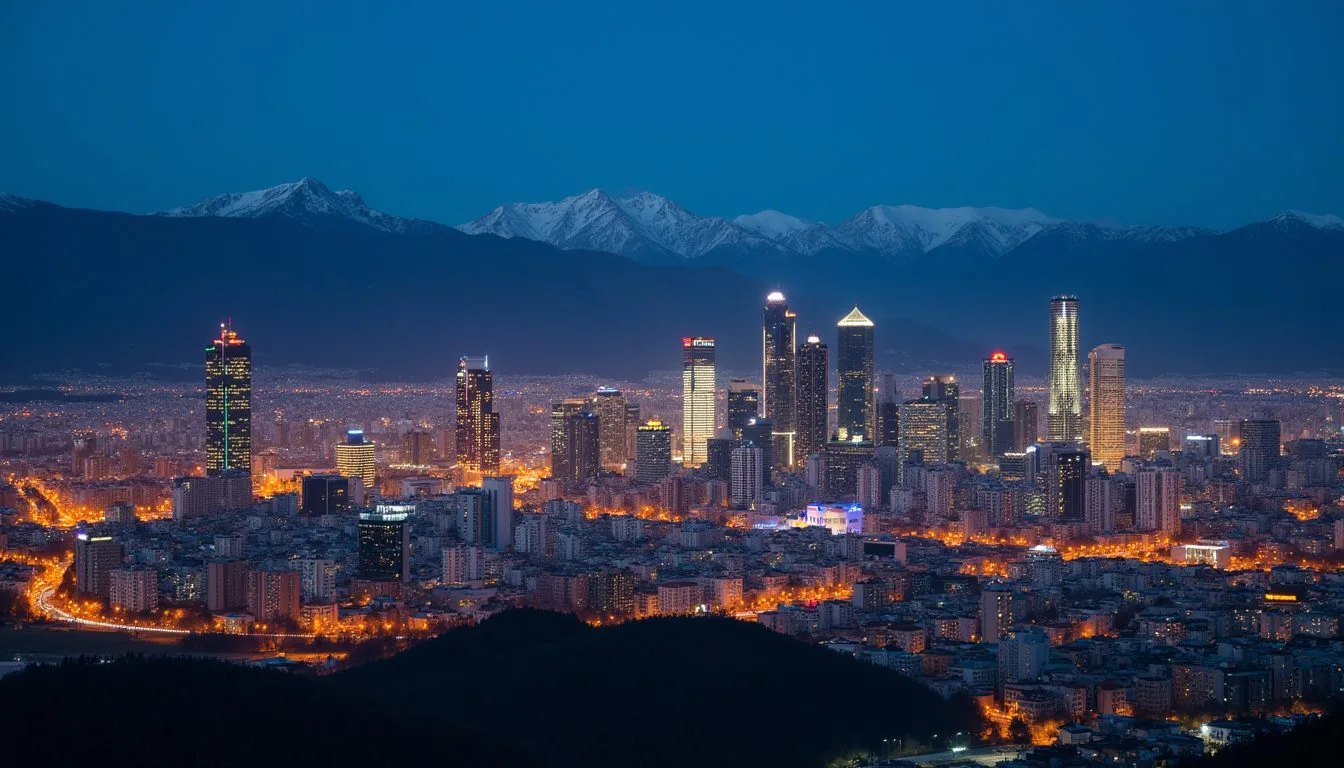
Almaty Nightlife: Best Bars, Clubs & Live Music
Almaty nightlife guide — best bars, clubs, live music, karaoke, rooftop venues, costs, safety tips, and where locals actually go. Complete 2026 guide.
travel
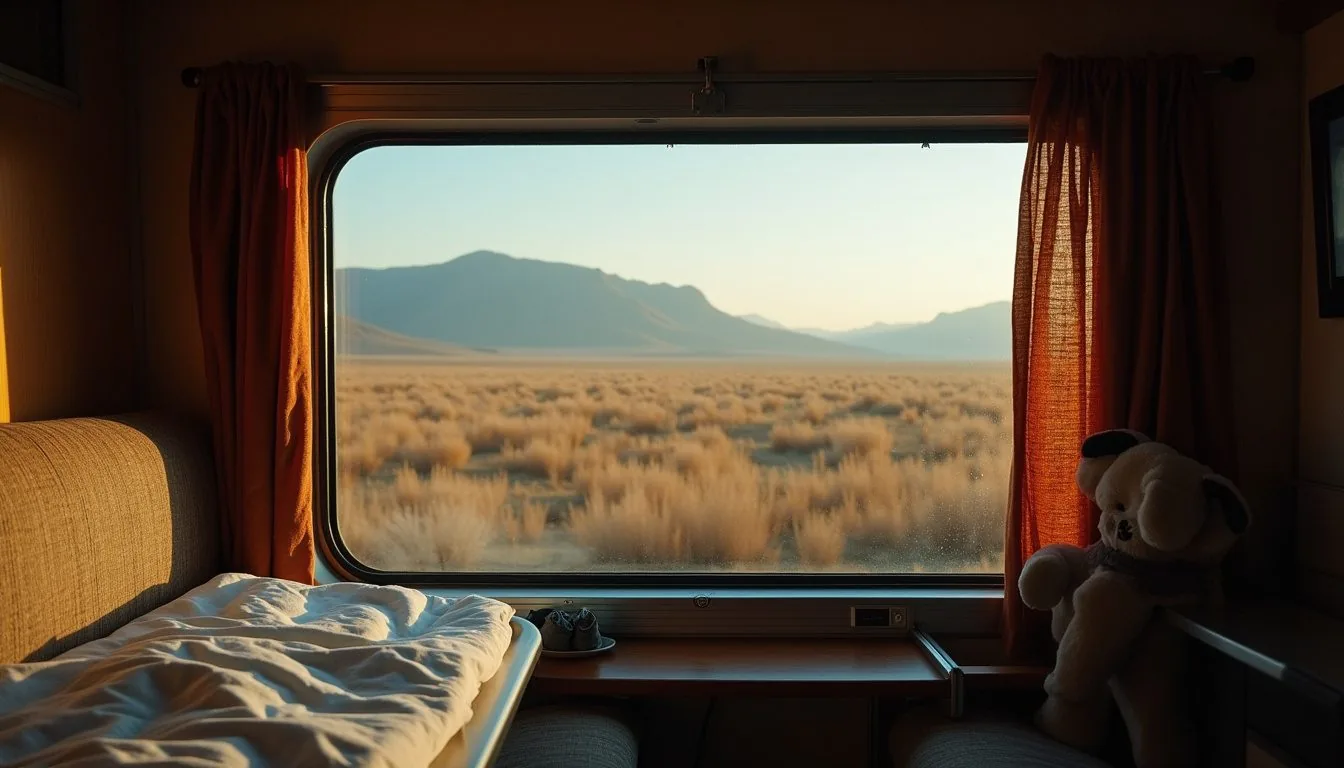
Almaty to Astana: Flights, Trains & Driving
Almaty to Astana travel options compared: flights from $50 (1.5 hrs), Talgo trains from $20 (14 hrs), driving & buses. 2026 prices and booking tips.