Kumis: The 2,500-Year-Old Drink Kazakhstan Still Swears By
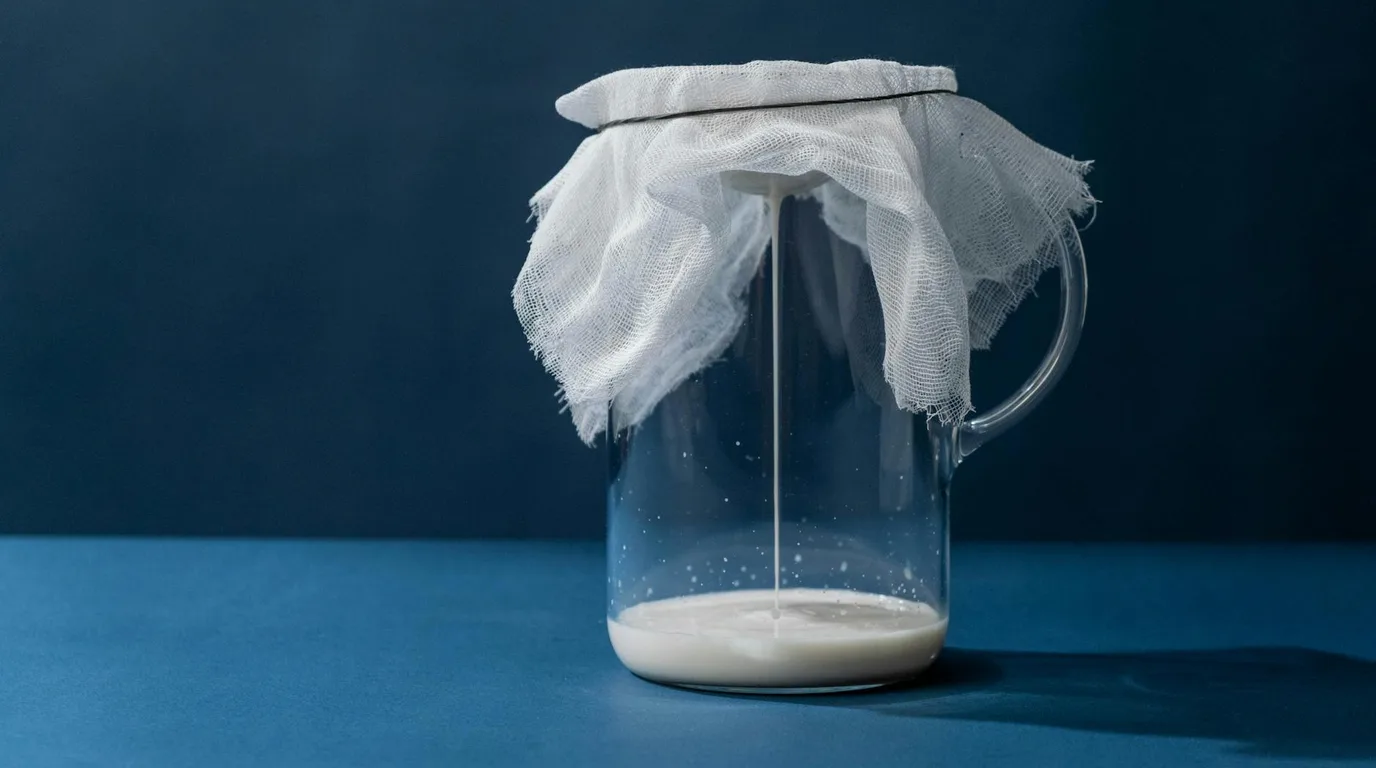
The first time you taste kumis, you will not like it. I am telling you this honestly. It is sour, slightly fizzy, faintly alcoholic, and nothing like any dairy product you have tried before. My American friends have described it as “fizzy sour yogurt water with a kick.” That is not entirely wrong. But here is the thing: after the third or fourth try, something clicks. By the end of a summer in Kazakhstan, you will be craving it.
According to archaeological evidence published by the University of Exeter in 2009, residues of fermented mare’s milk have been found in ceramic vessels from Bronze Age sites across the Kazakh steppe dating to approximately 3500 BCE. That makes kumis one of the oldest continuously produced fermented beverages on Earth - older than wine, older than beer as we know it.
What Kumis Actually Is
Kumis (qymyz in Kazakh, кумыс in Russian) is fermented mare’s milk. Not cow’s milk. Not goat’s milk. Mare’s milk specifically, because its chemical composition produces a unique fermentation:
| Property | Mare’s milk | Cow’s milk | Why it matters |
|---|---|---|---|
| Lactose | 6.2% | 4.7% | Higher lactose = more active fermentation, more fizz |
| Fat | 1.9% | 3.7% | Lower fat = thinner, more refreshing consistency |
| Protein | 2.2% | 3.4% | Different protein structure = easier digestion |
| Vitamin C | 25 mg/L | 2 mg/L | 10x more vitamin C - historically prevented scurvy on the steppe |
According to a review published in the Journal of Ethnic Foods (2021), the fermentation process involves both lactobacillus bacteria (which produce the sourness) and yeast (which produce the alcohol and carbonation). The result is a drink with 1-3% alcohol content - similar to a light beer or strong kombucha.
What Does Kumis Taste Like?
I have asked dozens of foreign visitors to describe the taste. The most accurate responses:
- “Like liquid yogurt that someone carbonated and spiked with a tiny bit of beer”
- “Sour buttermilk with a yeasty finish and a fizzy tongue feel”
- “If kefir and champagne had a baby that was raised on a farm”
The texture is thin - closer to buttermilk than yogurt. Not creamy. Not thick.
The sourness hits first. Then a subtle sweetness underneath. Then a bread-yeast aftertaste.
The fizz is gentle, not aggressive. Think natural sparkling water, not Coca-Cola.
The alcohol is barely perceptible in one bowl. After three or four bowls in summer heat, you feel it.
Temperature matters. Kumis is best served cool but not ice cold. Room temperature kumis from a leather bag on the steppe is the traditional experience.
How Kumis Is Made
I have watched my relatives make kumis at a summer camp near Aktobe. The process:
1. Milking. Mares are milked 4-6 times per day during lactation season (May-September). According to the Food and Agriculture Organization (FAO), each milking yields about 1-1.5 liters. Mares must be milked with their foal present - they will not let down milk otherwise.
2. The saba. Fresh milk goes into a saba - a smoked leather bag made from horse hide. According to Kazakh artisan traditions documented by the National Museum, the saba is “seasoned” over years of use, building up a culture of beneficial bacteria in the leather, similar to how a sourdough starter lives in a bowl.
3. Stirring. This is the labor-intensive part. According to traditional practice, the milk must be stirred or churned at least 1,000 times per day. The agitation distributes the bacteria and yeast evenly and incorporates air. Traditionally, anyone who passed the saba was expected to give it a few stirs.
4. Fermentation. In warm weather (25-30°C), kumis is ready in 1-2 days. The longer it ferments, the more sour and alcoholic it becomes. According to food science research published in LWT - Food Science and Technology, the pH drops from about 6.5 (fresh milk) to 3.5-4.0 (finished kumis).
Modern production: According to the Kazakh dairy industry association, commercial kumis factories now use stainless steel fermentation tanks instead of leather bags. The result is consistent but purists say it lacks the depth of traditional saba-fermented kumis. Both are widely available from May to September.
Health Benefits: What the Science Says
Kumis has been valued as medicine for centuries. According to published research:
Probiotics. According to a 2019 study in Frontiers in Microbiology, kumis contains diverse lactobacillus strains with demonstrated antimicrobial activity against harmful bacteria including E. coli and Staphylococcus aureus.
Vitamin C. According to FAO nutritional data, mare’s milk contains 10x more vitamin C than cow’s milk. For steppe nomads with no access to fruits or vegetables for months, kumis was the primary source of this essential vitamin. It literally prevented scurvy.
Digestibility. According to research in the International Dairy Journal, the fermentation process breaks down most of the lactose in mare’s milk, making kumis tolerable for many lactose-intolerant people.
Historical “kumis therapy.” According to medical historian Dr. Bakhyt Aitimova (Kazakh National Medical University), sanatoriums specifically for kumis therapy (kumyslechenie) operated across the Russian Empire and Soviet Union from the 1850s through the 1950s. Tuberculosis patients were sent to the Kazakh steppe to drink kumis daily. According to contemporary medical records, many showed improvement - likely due to the probiotics, vitamin C, and fresh steppe air working together.
Famous kumis drinkers according to historical records: Leo Tolstoy consumed it regularly for health. Anton Chekhov visited a kumis sanatorium for his tuberculosis.
Cultural Significance
Kumis is woven into Kazakh culture at every level:
- Nauryz celebration: Kumis is essential at the spring equinox feast. No Nauryz without kumis.
- Wedding feasts: Kumis is served alongside beshbarmak at every traditional wedding.
- Hospitality: According to tradition, offering kumis to a guest is a mark of honor above tea.
- Spiritual significance: According to pre-Islamic Kazakh belief documented by ethnographer Chokan Valikhanov (19th century), kumis was offered to ancestral spirits and poured on the ground as a blessing.
- Kazakh proverb: “Qymyzdy ishken adam auyrmaidy” - “A person who drinks kumis does not get sick.”
Where to Try Kumis in Kazakhstan
Season: May to September only. Fresh kumis is seasonal because mares only lactate in warm months.
| Where | What to expect | Cost |
|---|---|---|
| Any bazaar (Almaty, Astana, Shymkent) | Fresh kumis from vendors, sold by the liter | 500-1,000 KZT ($1-2) per liter |
| Roadside sellers on highways | Often the freshest - made that morning | 300-700 KZT per liter |
| Traditional restaurants (Zheti Kazyna, Alasha) | Served in bowls alongside meals | 500-1,500 KZT per bowl |
| Nomad camps / yurt stays | The most authentic setting | Usually included in stay |
| Supermarkets | Bottled/pasteurized version | 400-800 KZT per bottle |
My recommendation: Skip the supermarket version. According to dairy scientists at Almaty Technological University, pasteurization kills the live cultures that give kumis its character. Buy from a bazaar vendor or roadside seller for the real experience.
Kumis vs. Other Fermented Milk Drinks
| Drink | Base | Origin | Alcohol | Taste |
|---|---|---|---|---|
| Kumis | Mare’s milk | Kazakhstan / Central Asia | 1-3% | Sour, fizzy, thin |
| Kefir | Cow’s milk | Caucasus | 0.5-1% | Sour, thick, tangy |
| Shubat | Camel’s milk | Kazakhstan | 0.5-1% | Sour, fatty, rich |
| Ayran | Cow’s yogurt + water | Turkey / Central Asia | 0% | Salty, refreshing |
| Airag | Mare’s milk | Mongolia | 1-3% | Very similar to kumis |
Shubat (fermented camel milk) deserves a mention. According to Kazakh food culture, shubat is considered the “winter kumis” - available year-round from camels in western Kazakhstan. It is thicker, fattier, and more acquired in taste than kumis.
Frequently Asked Questions
- What does kumis taste like?
- According to visitors surveyed, kumis tastes sour and slightly fizzy, like thin carbonated buttermilk with a yeasty bread-like aftertaste. It has 1-3% alcohol. The texture is thin, not creamy. Most people need 2-3 tries before they appreciate it. Best served cool in summer.
- Is kumis alcoholic?
- Yes, mildly. According to food science research published in LWT journal, kumis contains 1-3% alcohol by volume, produced naturally by yeast during fermentation. This is similar to light beer or strong kombucha. Several bowls in succession will produce a noticeable effect.
- Is kumis healthy?
- According to research in Frontiers in Microbiology, kumis is rich in probiotics with antimicrobial properties. FAO data shows mare's milk has 10x more vitamin C than cow's milk. The fermentation breaks down lactose, making it more digestible. Historically it was used to treat tuberculosis patients.
- When is kumis available in Kazakhstan?
- According to Kazakh dairy producers, fresh kumis is available from May to September when mares are lactating. Peak quality is June-July. Some commercial producers offer year-round pasteurized versions, but the best kumis is always seasonal and sold fresh at bazaars and roadside stands.
- What is the difference between kumis and kefir?
- According to dairy science, kumis is made from mare's milk (thinner, fizzier, 1-3% alcohol) while kefir uses cow's milk (thicker, less fizzy, 0.5-1% alcohol). Kumis is seasonal and hard to produce commercially. Kefir is available year-round worldwide.
- Can you buy kumis outside Kazakhstan?
- Authentic kumis is extremely rare outside Central Asia because it requires fresh mare's milk and must be consumed within days. Some Mongolian or Kyrgyz restaurants in major cities may serve it seasonally. Bottled versions in international stores are usually pasteurized and lack the live cultures.
More Stories
food
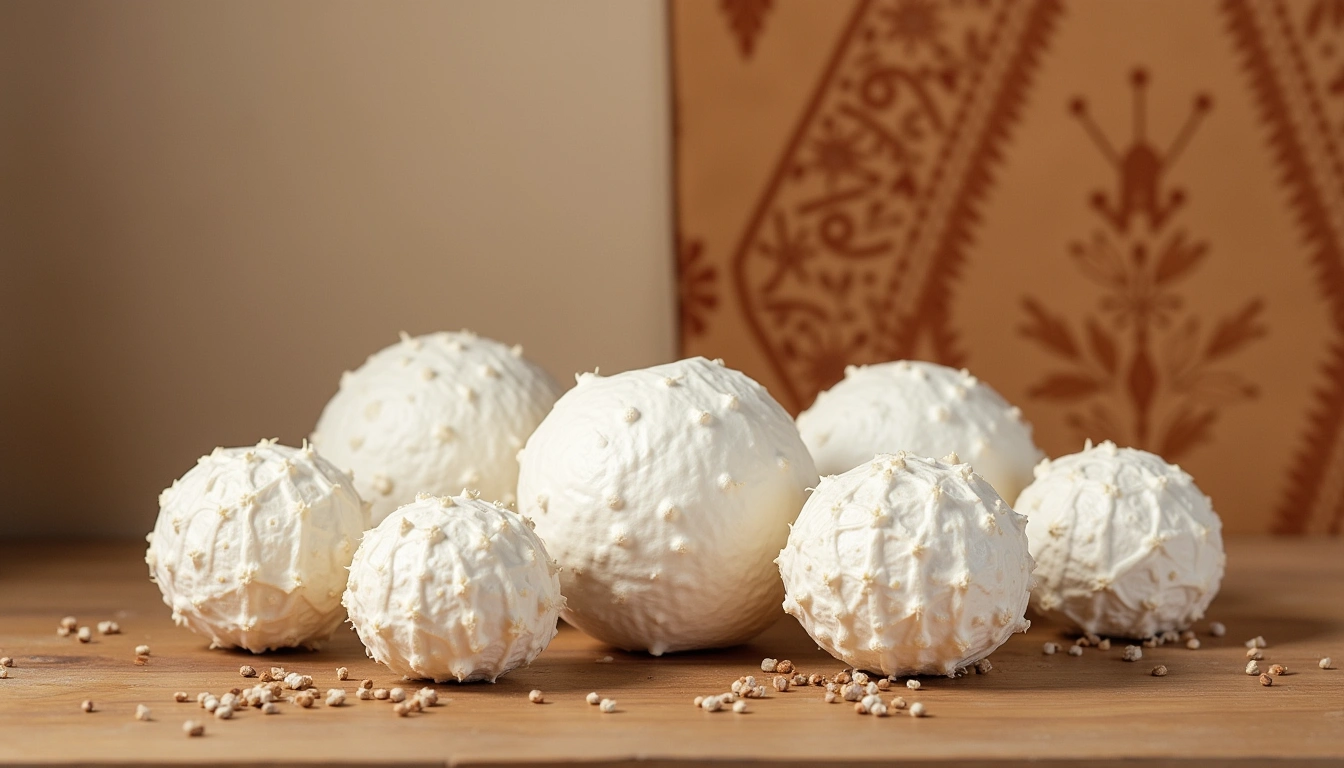
Kurt: The Ancient Kazakh Snack That Sustained Nomads
Kurt is a traditional Kazakh dried yogurt ball that sustained nomads for centuries. Learn how kurt is made, its nutrition, taste, and cultural significance.
food
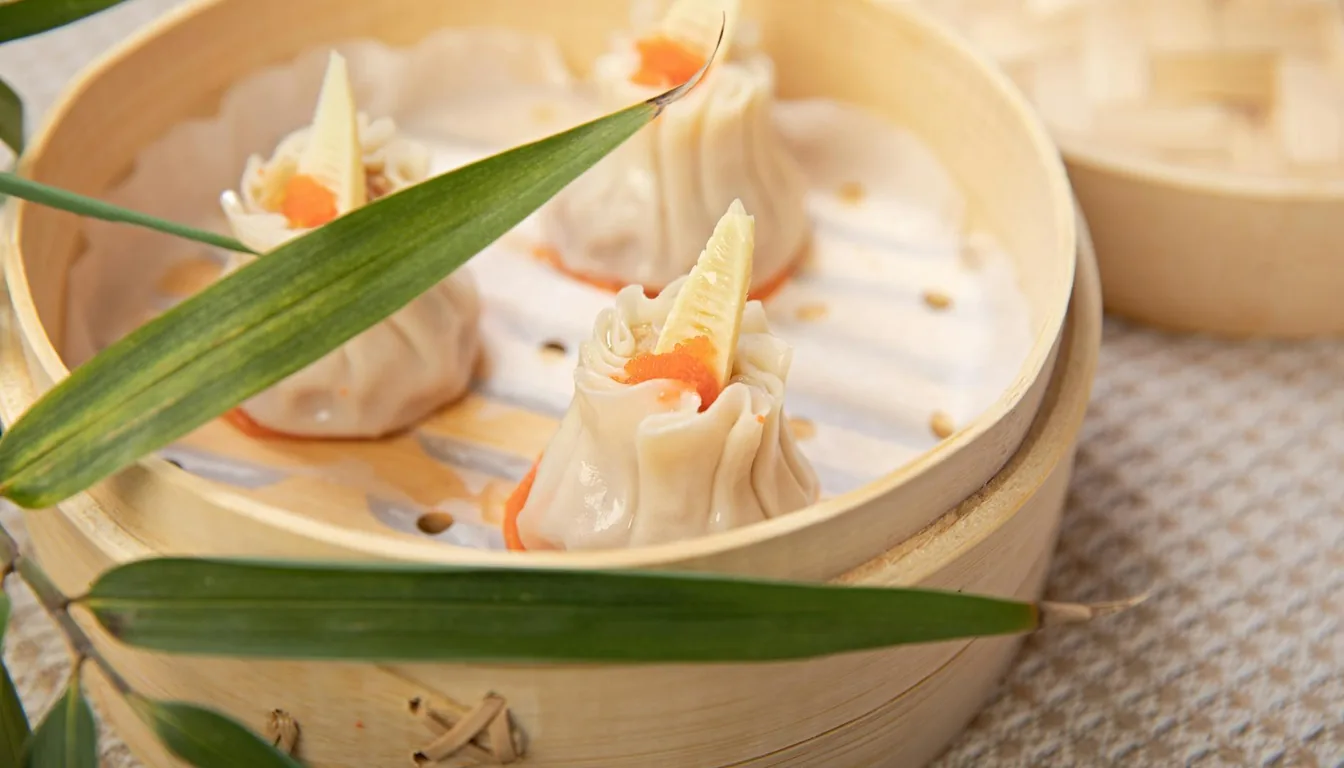
Manty: Kazakh Steamed Dumplings Recipe & Guide
Everything about Kazakh manty — traditional lamb filling, step-by-step recipe, folding technique, regional variations, and where to eat them.
food
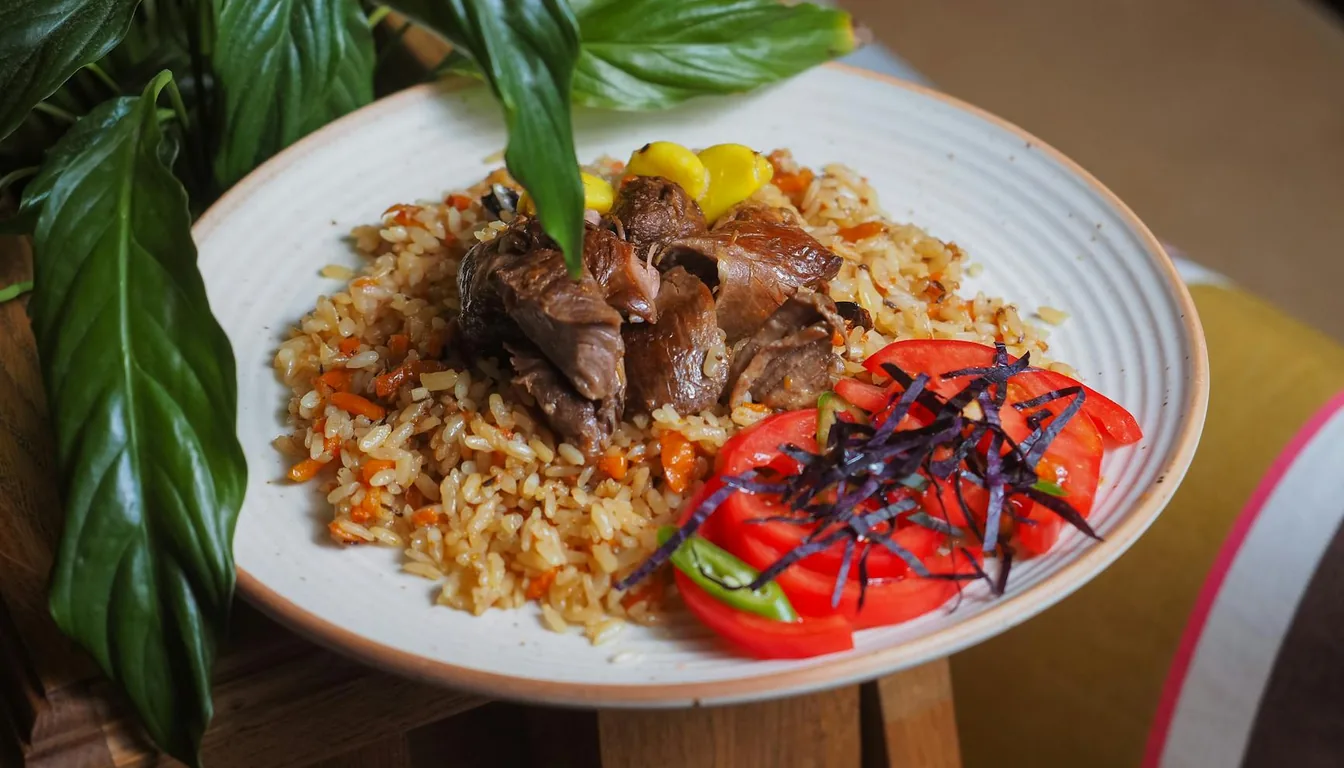
Popular Food in Kazakhstan: Kazakh Cuisine Guide
Popular food in Kazakhstan: 18 must-try dishes from beshbarmak and kazy to kumis and baursaki. Ingredients, cultural meaning, and where to eat each one.