Kurt: The Ancient Kazakh Snack That Sustained Nomads
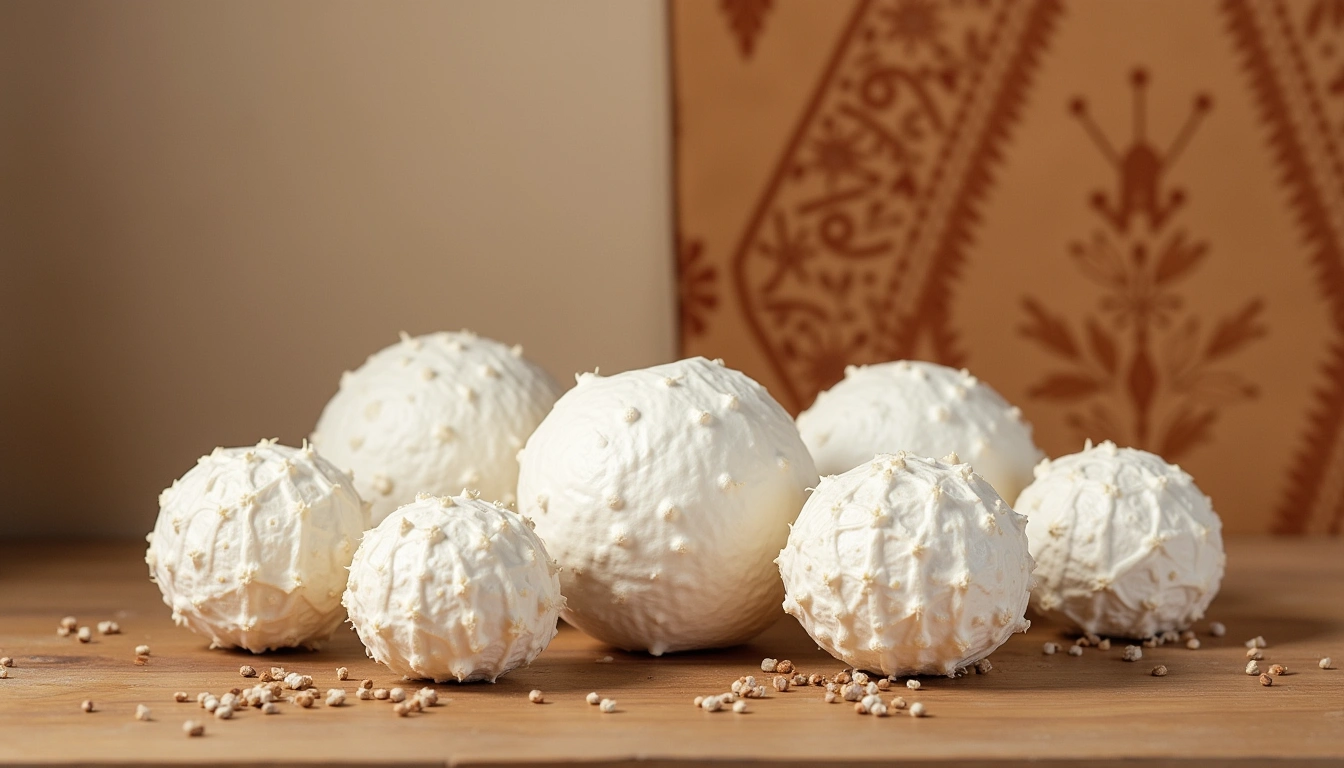
Kurt is a traditional Kazakh dried fermented dairy product made from strained sour milk (suzbe) that is rolled into small balls and dried in the sun or wind for several days until hard. According to ethnographic research by Kazakhstan’s National Museum, kurt has been a staple of the nomadic Kazakh diet for at least 1,500 years, serving as a portable, protein-rich food source that could last for months without refrigeration during long migrations across the steppe. The name “kurt” comes from the Turkic root meaning “dried” or “rolled,” and the snack remains one of the most widely consumed traditional foods in Kazakhstan today.
Walk into any bazaar in Kazakhstan, from the Grand Bazaar in Almaty to the markets of Shymkent, and you will see pyramids of small white, cream, or yellowish balls stacked on vendor tables. This is kurt, and it is everywhere. Kazakhs eat it as a snack, dissolve it in water to make a refreshing sour drink, crumble it into soups, bring it on road trips, and give it as a gift. It is one of those foods that defines a culture: humble in appearance, practical in function, and loaded with meaning that goes far beyond nutrition.
For visitors to Kazakhstan, kurt is often the first truly unfamiliar food they encounter. It does not look like anything in the Western dairy aisle, and the taste, intensely sour, salty, and sometimes smoky, catches people off guard. But kurt rewards persistence. It is an acquired taste that, once acquired, becomes a craving. And understanding kurt means understanding something fundamental about how Kazakh nomadic civilization solved the problem of preserving food on the open steppe.
What Exactly Is Kurt?
Kurt is a dried, fermented dairy product. At its core, it is sour milk that has been strained, salted, shaped into balls, and dried until rock-hard. The result is a shelf-stable food with concentrated protein, calcium, and beneficial bacteria that can survive months of storage without any refrigeration.
The basic ingredient is suzbe, which is the thick residue left after straining fermented milk (similar to how Greek yogurt is made, but taken much further). In traditional practice, mare’s milk, cow’s milk, sheep’s milk, or goat’s milk can all be used. Mare’s milk produces the most traditional version, but cow’s milk is most common in modern production.
The process produces a food that is simultaneously a preserved dairy product, a probiotic source, a protein supplement, and a seasoning ingredient. No other single food in the Kazakh pantry serves so many functions. For broader context on Kazakh culinary traditions, see our guide to popular food in Kazakhstan.
| Property | Details |
|---|---|
| Main ingredient | Strained fermented milk (suzbe) |
| Traditional milk sources | Mare, cow, sheep, goat |
| Taste | Sour, salty, tangy, sometimes smoky |
| Texture | Hard and crumbly (traditional), soft and chewy (modern) |
| Shelf life | 3-6 months (traditional), 1-3 months (modern soft) |
| Color | White, cream, yellowish, or grey |
| Size | 2-4 cm diameter (typical) |
| Calories | ~200-250 per 100g |
How Kurt Is Made
Traditional kurt production follows a process refined over centuries. While industrial production has streamlined some steps, the fundamental method remains the same in homes across rural Kazakhstan.
Step 1: Fermentation
Fresh milk (cow, mare, sheep, or goat) is left to sour naturally or inoculated with a starter culture from a previous batch. The milk ferments for 1-3 days until it develops a thick, tangy consistency. In traditional practice, the fermenting milk is kept in a saba (leather bag) or wooden vessel, which harbors beneficial bacteria from previous batches. This natural microbiome produces a complex fermentation profile that commercial starter cultures cannot fully replicate.
Step 2: Straining
The fermented milk is poured into a cloth bag (traditionally cheesecloth or a cotton sack) and hung to drain. The liquid whey drips out over 12-24 hours, leaving behind a thick, dense curd called suzbe. This is essentially the same process as making labneh in Middle Eastern cuisine, but the Kazakh version is typically more thoroughly drained. The suzbe should be thick enough to hold its shape when squeezed.
Step 3: Seasoning and Shaping
Salt is mixed into the suzbe, typically at a ratio of about 1-2% by weight. Some regional variations add herbs, pepper, or even dried meat. The seasoned suzbe is then rolled by hand into small balls, usually 2-4 cm in diameter. In some regions, the balls are pressed into molds or flattened into discs. The shaping is often a communal activity, with women and children of the household working together.
Step 4: Drying
The shaped balls are placed on clean cloth or reed mats and set out to dry. Traditionally, this happens outdoors in the sun and wind of the open steppe, where dry air and constant breeze create ideal dehydration conditions. Drying takes 2-7 days depending on climate, size of the balls, and desired hardness. The kurt is turned periodically to ensure even drying. The finished product should be hard enough to crack with a sharp tap, though softer versions are also popular.
Smoked Kurt
In some regions, particularly western Kazakhstan, kurt is smoked over wood fires rather than sun-dried. Smoked kurt has a distinctive amber color and a deeper, more complex flavor with notes of wood smoke layered over the tangy dairy base. This variety is considered a delicacy and commands higher prices at bazaars.
Nutritional Profile
Kurt is nutrient-dense by design. Nomadic peoples needed a food that packed maximum nutrition into minimum weight and volume. Modern nutritional analysis confirms that traditional kurt delivers.
| Nutrient | Per 100g (approximate) |
|---|---|
| Calories | 200-260 kcal |
| Protein | 20-30 g |
| Fat | 5-15 g |
| Carbohydrates | 10-20 g |
| Calcium | 400-600 mg (40-60% daily value) |
| Sodium | 800-1,500 mg |
| Probiotics | Lactobacillus, Streptococcus strains |
According to research published by al-Farabi Kazakh National University’s food science department, kurt contains significant populations of beneficial Lactobacillus bacteria that survive the drying process and remain viable for weeks to months. This makes kurt a natural probiotic, supporting gut health in a way that would have been critical for nomadic populations without access to fresh vegetables or varied diets.
The high protein content (20-30% by weight) made kurt an essential supplement during long journeys when fresh meat was unavailable. Dissolved in water, it provided both hydration and nutrition, a Kazakh equivalent of modern sports recovery drinks but invented over a millennium earlier.
The calcium content is also notable. According to the World Health Organization, Central Asian populations historically had low access to calcium-rich foods outside the dairy season. Kurt, which concentrates the calcium from large volumes of milk into a portable form, helped bridge this nutritional gap during winter months when fresh milk was unavailable.
Types and Regional Variations
Kurt is not a single product but a family of related dried dairy foods with significant regional variation across Kazakhstan and the broader Turkic world.
By Hardness
- Qatty kurt (hard kurt): Dried until rock-solid. Can be stored for 6+ months. This is the traditional travel food, meant to be sucked or slowly dissolved in the mouth. Sometimes requires soaking in water before eating.
- Jumsaq kurt (soft kurt): Dried only partially, retaining a chewy, crumbly texture. Shelf life is shorter (1-3 months) but the taste is milder and more accessible. This is the version most often sold in modern supermarkets and offered to foreign visitors.
By Milk Source
- Mare’s milk kurt: The most traditional and prized variety. Slightly sweeter than cow’s milk version with a more complex fermentation profile. Connected to kumis (fermented mare’s milk) production, where the byproducts of kumis-making become the base for kurt.
- Cow’s milk kurt: The most common modern variety. Milder flavor and easier to produce in quantity.
- Sheep’s milk kurt: Richer and fattier. Common in western Kazakhstan and among Kazakh communities in Mongolia.
- Goat’s milk kurt: Tangier and more pungent. Less common but valued by connoisseurs.
By Region
- Southeastern Kazakhstan (Almaty region): Tends toward softer, milder kurt. Often sold fresh at the Green Bazaar.
- Western Kazakhstan (Mangystau, Atyrau): Smoked kurt tradition is strongest here. Harder, more intensely flavored.
- Central Kazakhstan (Karaganda): Classic hard kurt, strongly salted.
- Southern Kazakhstan (Shymkent, Turkestan): Sometimes includes herbs or spices. Influenced by Uzbek dairy traditions.
Beyond Kazakhstan
Kurt exists across the Turkic world under different names: “qurut” in Uzbekistan and Afghanistan, “kashk” in Iran, “kurut” in Kyrgyzstan, and “chhurpi” in Nepal and Tibet (though chhurpi is made from yak milk). The basic concept of drying fermented milk into portable balls is a convergent solution to the same problem: how to preserve dairy nutrition for mobile populations across the steppe and mountain landscapes of Central and South Asia.
Kurt in Kazakh Culture
Kurt is far more than food. It carries deep cultural significance in Kazakh society, woven into rituals, proverbs, and social customs.
Hospitality
When guests arrive at a Kazakh home, kurt is among the first items placed on the dastarkhan (traditional tablecloth laid for meals). Offering kurt to visitors is a sign of welcome and generosity. The quality and abundance of kurt at a gathering reflects the host’s prosperity and skill. Refusing kurt offered by a host is considered impolite. This practice connects to broader Kazakh traditions of elaborate hospitality.
Celebrations and Rituals
Kurt plays a role in several life events:
- Weddings: Kurt is scattered over the bride’s path or thrown at guests during celebrations, symbolizing wishes for abundance and a sweet life. At Kazakh wedding ceremonies, kurt may be placed in decorative bowls alongside other traditional foods.
- Shildekhana (birth celebration): Kurt is distributed to neighbors and guests when a child is born, announcing the good news.
- Nauryz: During the Kazakh New Year celebration, kurt appears on every Nauryz dastarkhan alongside other dairy products, symbolizing purity and renewal.
- Travel blessings: Before a long journey, family members give the traveler kurt to eat on the road, a practical gift that also carries wishes for safe passage.
Proverbs and Sayings
Kazakh language includes several kurt-related expressions:
- “Kurt bar jerde, ashyq joq” - “Where there is kurt, there is no hunger”
- Kurt is used metaphorically to mean something reliable, always available, a constant you can count on
War and Survival
Historical accounts describe kurt’s role during wartime and famine. During World War II, Kazakh families sent kurt to soldiers at the front as a calorie-dense, non-perishable food that reminded them of home. Older Kazakhs recall kurt as a survival food during the famines of the 1930s and the post-war scarcity periods. The ability to store kurt for months without refrigeration made it a critical food security buffer in the pre-industrial era.
How to Eat Kurt
Visitors trying kurt for the first time often eat it wrong, biting into a rock-hard ball and nearly breaking a tooth. Here are the proper methods.
As a Snack
Traditional hard kurt is meant to be sucked, not bitten. Place it in your mouth and let it dissolve slowly, like a savory candy. The flavor develops gradually, starting salty and tangy, then mellowing as the ball dissolves. A single ball can last 15-30 minutes this way. Soft kurt can be eaten like cheese, broken apart in pieces.
Dissolved in Water
Drop a ball of kurt into a glass of cold water and stir until dissolved. The result is a tangy, slightly salty drink that is extraordinarily refreshing in hot weather. This was the traditional way nomads stayed hydrated during summer migrations, combining hydration with nutrition. Some people add sugar or honey to balance the sourness.
In Soups and Stews
Crumbled kurt adds a tangy, umami depth to soups and stews. It serves a similar function to Parmesan rind in Italian cooking, a hard fermented dairy product that melts into liquid and enriches the flavor. Kazakh cooks add it to sorpa (broth), noodle soups, and vegetable dishes.
With Tea
Kurt pairs well with tea, particularly the milky Kazakh chai that is served constantly throughout the day. Place a kurt ball on a saucer next to your tea and alternate sips of tea with small bites of softened kurt. The combination of hot, milky tea with cold, sour kurt is addictive once you get used to it.
In Modern Cuisine
Contemporary Kazakh chefs have begun incorporating kurt into modern dishes: crumbled over salads as a substitute for feta, blended into dips, used as a coating for fried foods, or even incorporated into cocktails. The Almaty restaurant scene features several establishments experimenting with kurt in non-traditional preparations.
Where to Buy Kurt
Kurt is available almost everywhere in Kazakhstan, but quality varies dramatically.
Bazaars (Best Quality)
The best kurt comes from bazaar vendors, particularly women selling homemade kurt from their own dairy production. The Green Bazaar (Zelyony Bazaar) in Almaty has multiple kurt vendors on the dairy floor. Ask to taste before buying. Prices run 1,000-3,000 KZT ($2-6) per kilogram depending on type and quality. Bazaar vendors in Shymkent and Turkestan also carry excellent regional varieties.
Supermarkets
All major Kazakh supermarkets (Magnum, Small, Galmart) carry packaged kurt in the dairy or snack section. Supermarket kurt tends to be the softer variety, often with added flavors (herb, pepper, plain). Quality is consistent but less interesting than bazaar kurt. Prices: 300-800 KZT ($0.60-1.60) per package.
Roadside Vendors
On highways between major cities, particularly along the Almaty-Astana corridor, you will find roadside vendors selling homemade kurt alongside other dairy products. This is often excellent, very fresh kurt at good prices. However, quality control is nonexistent, so use judgment about hygiene conditions, especially in hot weather.
Online
Several Kazakh food companies now export kurt internationally. Availability in Western countries is limited but growing, found primarily in Central Asian grocery stores in cities with Kazakh or Uzbek diaspora communities (Moscow, Istanbul, Berlin, New York, London).
Kurt vs. Other Preserved Dairy Around the World
Kurt belongs to a global family of preserved dairy foods. Understanding the comparisons helps visitors contextualize what they are tasting.
| Product | Origin | Base | Texture | Taste | Shelf Life |
|---|---|---|---|---|---|
| Kurt | Kazakhstan/Central Asia | Fermented cow/mare milk | Hard balls | Sour, salty | 3-6 months |
| Kashk | Iran | Fermented whey | Hard blocks | Sour, intense | 6+ months |
| Aaruul | Mongolia | Fermented cow/yak milk | Hard chunks | Sour, sweet variants | 4-8 months |
| Jameed | Jordan | Fermented goat yogurt | Hard balls | Very salty, sour | 6-12 months |
| Parmesan | Italy | Cow milk (aged cheese) | Hard block | Umami, nutty | 12-36 months |
| Chhurpi | Nepal/Tibet | Yak milk | Very hard | Mild, slightly sour | 6+ months |
The closest relative to kurt is Mongolian aaruul, which makes sense given the shared nomadic heritage of Mongol and Kazakh peoples. Both represent solutions to the same problem: preserving summer dairy abundance for winter consumption on the steppe. The Kazakh yurt and other portable technologies of nomadic life were all designed around this seasonal rhythm of production and preservation.
Making Kurt at Home
If you want to try making kurt after returning from Kazakhstan, here is a simplified process using readily available ingredients.
Ingredients:
- 2 liters of plain, full-fat yogurt (the thicker and more natural, the better)
- 1-2 teaspoons salt
- Cheesecloth
Process:
- Line a colander with cheesecloth and set it over a large bowl.
- Pour the yogurt into the cheesecloth and tie the ends together.
- Hang the cheesecloth bundle over the bowl (or place in the refrigerator with a weight on top) and let it drain for 24-48 hours until very thick.
- Mix salt into the thick curd (suzbe).
- Roll into small balls, about 2-3 cm diameter.
- Place on a baking rack and dry in an oven at the lowest setting (50-70 degrees Celsius) with the door slightly ajar, for 8-12 hours. Alternatively, use a food dehydrator at 60 degrees Celsius for 12-24 hours.
- The kurt is ready when hard to the touch and completely dry on the outside.
The result will not be identical to authentic steppe kurt (which benefits from specific bacterial cultures, animal milk varieties, and open-air drying conditions), but it will give you a genuine appreciation for the flavor profile and preservation method. For other traditional Kazakh dishes you can try at home, see our guides to beshbarmak and manty.
Frequently Asked Questions
- What does kurt taste like?
- Kurt tastes intensely sour and salty, similar to a very strong aged cheese or concentrated yogurt. The flavor is tangy with a fermented depth. Soft kurt is milder and creamier. Hard kurt has a more concentrated, sharper taste. Smoked varieties add a wood-fire flavor. Most visitors find the taste unusual at first but increasingly enjoyable with repeated exposure.
- Is kurt healthy?
- Yes, kurt is highly nutritious. It contains 20-30% protein, 400-600mg calcium per 100g (40-60% of daily needs), and beneficial Lactobacillus probiotic bacteria. It is a natural source of B vitamins and minerals concentrated from milk. The main nutritional concern is high sodium content (800-1,500mg per 100g), so people on sodium-restricted diets should consume it in moderation.
- How long does kurt last?
- Traditional hard kurt lasts 3-6 months at room temperature without refrigeration, and even longer in cool, dry conditions. Soft/modern kurt lasts 1-3 months and benefits from refrigeration. Smoked kurt can last up to a year. This extraordinary shelf life was the primary reason nomadic Kazakhs developed the product, as a way to preserve summer dairy for winter consumption.
- Is kurt the same as kashk or qurut?
- Kurt, kashk, and qurut are closely related dried fermented dairy products from different regions. Qurut (Uzbekistan, Afghanistan) is essentially the same product with a different spelling. Kashk (Iran) is similar but often made from whey rather than whole fermented milk. The core concept, drying fermented milk into a shelf-stable form, is shared across all of them.
- Can you buy kurt outside Kazakhstan?
- Kurt is increasingly available outside Kazakhstan, though still uncommon in most Western countries. Central Asian grocery stores in cities with Kazakh, Uzbek, or Kyrgyz diaspora communities (Moscow, Istanbul, Berlin, New York, London) sometimes carry it. Some online retailers ship internationally. The closest widely available substitute is Mongolian aaruul, available in Asian specialty stores.
- How do you eat kurt properly?
- Hard kurt should be sucked slowly like a candy, not bitten, as it can be rock-hard and may crack teeth. Let it dissolve gradually in your mouth over 15-30 minutes. Soft kurt can be eaten in bites like cheese. Kurt can also be dissolved in cold water for a refreshing drink, crumbled into soups and stews for umami depth, or paired with hot tea.
More Stories
food
Manty: Kazakh Steamed Dumplings Recipe & Guide
Everything about Kazakh manty — traditional lamb filling, step-by-step recipe, folding technique, regional variations, and where to eat them.
food
Popular Food in Kazakhstan: Kazakh Cuisine Guide
Popular food in Kazakhstan: 18 must-try dishes from beshbarmak and kazy to kumis and baursaki. Ingredients, cultural meaning, and where to eat each one.
food
Beshbarmak: How Kazakhstan's National Dish Is Really Made and Eaten
Beshbarmak - Kazakhstan's national dish of boiled meat and noodles. Recipe, history, how to eat it properly, etiquette, and where to try authentic beshbarmak.