Lake Balkhash: Kazakhstan's Two-Toned Natural Wonder
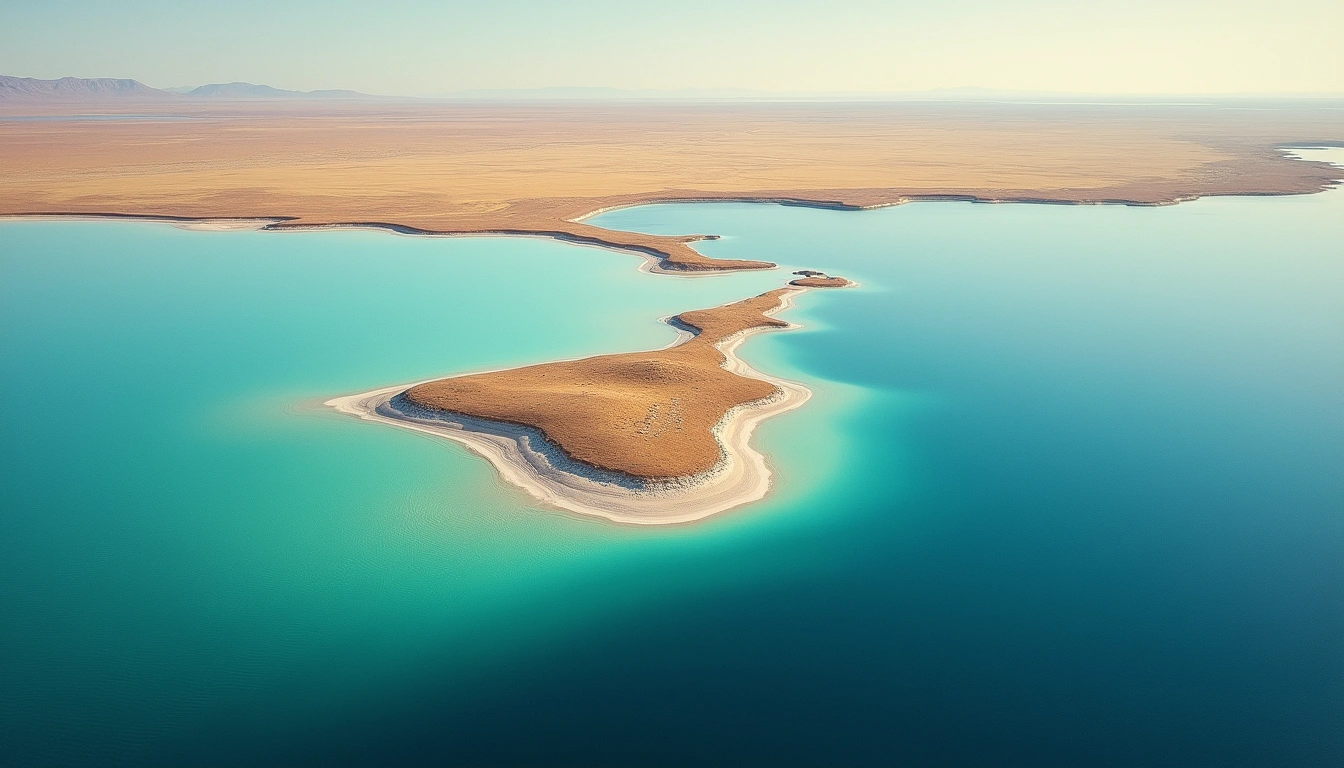
Lake Balkhash is the largest lake entirely within Central Asia and the 12th largest continental lake in the world, stretching 605 km across southeastern Kazakhstan. According to UNESCO and the World Bank, it is one of only a handful of lakes on Earth that is simultaneously half freshwater and half saltwater, divided by the narrow Uzunaral Strait. The western half receives inflow from the Ili River and remains fresh, while the eastern half, with no major tributaries, is moderately saline. This geological phenomenon makes Lake Balkhash a globally unique ecosystem and one of Kazakhstan’s most remarkable natural features.
Most travelers to Kazakhstan head straight for the mountains around Almaty or the futuristic skyline of Astana. Lake Balkhash rarely appears on standard tourist itineraries, which is a shame, because it is one of the most extraordinary bodies of water on the planet. Imagine a lake so large it takes a full day to drive from one end to the other, where you can swim in fresh water on one shore and taste salt on the other, where pelicans nest in vast colonies and fishermen haul in catches that feed an entire region. This is Balkhash, a lake that has sustained human life on the steppe for thousands of years, and one that now faces serious environmental pressures from upstream water diversion and climate change.
Geography and Location
Lake Balkhash sits in the Balkhash-Alakol basin in southeastern Kazakhstan, roughly 600 km north of Almaty and 1,100 km south of Astana. The lake occupies parts of three regions: Almaty, Karaganda, and Zhambyl (Jambyl) oblasts. Its surface area fluctuates between 16,400 and 18,200 square kilometers depending on seasonal and annual water levels. For context, that makes it roughly the size of the state of Connecticut or about three times larger than the Great Salt Lake in Utah.
The lake is crescent-shaped and remarkably narrow relative to its length. At its widest point, it spans about 74 km, but the Uzunaral Strait in the center pinches it down to just 3.5 km. This narrow passage is the key to Balkhash’s famous dual nature. The strait acts as a natural barrier, preventing the fresh inflow from the Ili River in the west from mixing freely with the saltier eastern waters.
| Feature | Measurement |
|---|---|
| Total length | 605 km |
| Maximum width | 74 km |
| Surface area | 16,400-18,200 km² |
| Maximum depth | 26 m |
| Average depth | 5.8 m |
| Elevation | 340 m above sea level |
| Uzunaral Strait width | 3.5 km |
| Number of islands | 43 |
The surrounding landscape is classic Kazakh steppe, flat and semi-arid, with sparse vegetation transitioning to sandy desert (the Saryesik-Atyrau) to the south. The northern shore is more developed, with the city of Balkhash (population approximately 78,000) serving as the main urban center. If you are planning a broader trip, the lake pairs well with visits to Almaty to the south or Astana to the north, though both require significant travel time.
The Two-Toned Phenomenon
The defining characteristic of Lake Balkhash is its split personality. The western half is fresh, with salinity levels below 1 gram per liter, comparable to many rivers. The eastern half registers 3 to 6 grams per liter, making it moderately saline, somewhere between fresh water and ocean water (which averages about 35 grams per liter).
This happens because the western basin receives nearly all of the lake’s freshwater inflow. The Ili River, originating in the glaciers of the Tian Shan mountains in China, contributes roughly 73-80% of all water entering Balkhash. The river enters the lake through a wide delta on the western shore and keeps salinity low across the entire western basin.
The eastern half receives much less inflow. Several smaller rivers, including the Karatal, Aksu, and Lepsy, feed the eastern basin, but their combined volume is modest compared to the Ili. High evaporation rates in the continental climate, where summer temperatures regularly exceed 40 degrees Celsius, concentrate the salts in the eastern basin.
The Uzunaral Strait allows some mixing, but not enough to equalize the two halves. Research published by the Institute of Geography of Kazakhstan confirms that water exchange through the strait is slow and limited, maintaining the chemical distinction between basins. You can literally taste the difference by sampling water from each end of the lake, something local fishermen will happily demonstrate.
Only a few other lakes in the world display this dual-chemistry feature. Some researchers compare Balkhash to historical conditions in the Aral Sea (before it dried up), but Balkhash remains the clearest living example of a large lake sustaining two simultaneous chemical states.
Wildlife and Ecosystem
Lake Balkhash is one of the most important wetland ecosystems in Central Asia. The Ili River delta alone covers approximately 8,000 square kilometers and is recognized by the Ramsar Convention as a wetland of international significance. This delta, along with the lake itself, supports a rich web of life adapted to the semi-arid steppe environment.
Birds
According to BirdLife International, the Balkhash region hosts over 120 bird species, including several globally significant populations. The Dalmatian pelican (Pelecanus crispus), classified as Near Threatened by the IUCN, nests in colonies along the lake’s shores. The lake also supports white-headed duck, white-tailed eagle, pale harrier, and large numbers of migratory waterfowl including flamingos, cormorants, herons, and swans. During spring and autumn migrations, the lake serves as a critical stopover for birds traveling between Siberian breeding grounds and South Asian wintering areas.
Fish
The lake supports a commercial fishery that has been active for over a century. Native species include the Balkhash perch (Perca schrenkii) and the Balkhash marinka. However, introduced species now dominate the catch, particularly common carp, pike-perch (zander), bream, and catfish. According to Kazakhstan’s Fisheries Committee, annual catches from Balkhash have fluctuated between 8,000 and 20,000 tonnes over the past two decades. The introduction of non-native fish has altered the food web, and the Balkhash perch, once dominant, has declined significantly since the mid-20th century.
Mammals
The surrounding steppe and tugai forests (riparian woodlands) harbor goitered gazelle, foxes, wild boars, and the occasional wolf pack. The Ili River delta was historically home to the Caspian tiger (Panthera tigris virgata), which went extinct in the 1940s-1960s. There is now a reintroduction program underway: the Kazakh government, in partnership with the World Wildlife Fund (WWF), has designated areas near the Ili delta for reintroducing Amur tigers as a subspecies replacement, with the goal of establishing a viable population by the 2030s. This is one of the most ambitious rewilding projects in Central Asia.
Environmental Threats
Lake Balkhash faces two primary threats: upstream water diversion and climate change. Understanding these pressures is essential for anyone interested in Kazakhstan’s environmental landscape.
The Kapchagay Dam and Ili River Diversion
The Kapchagay Reservoir (now officially Konayev Reservoir), built on the Ili River in the 1970s, reduced freshwater inflow to Balkhash by an estimated 25-30%. The dam was constructed for hydroelectric power and irrigation, but it caused water levels in the lake to drop by over 2 meters in the 1970s-1980s. While levels partially recovered in the 1990s and 2000s due to wetter climate cycles, the dam remains a structural constraint on water supply.
Chinese Water Extraction
The Ili River originates in China’s Xinjiang province, and China has been steadily increasing water extraction for agriculture and urban development in the region. According to the World Bank’s Central Asia Water Resources report (2023), Chinese withdrawals from the Ili could reduce inflow to Balkhash by an additional 20-40% over the coming decades if current trends continue. Kazakhstan and China have no binding water-sharing treaty for the Ili, making this a significant geopolitical and environmental concern. Some researchers have drawn parallels to the Aral Sea disaster, which was triggered by Soviet-era river diversion for cotton farming.
Climate Change
Rising temperatures in Central Asia are increasing evaporation rates from the lake surface. According to the World Meteorological Organization, Central Asia has warmed at approximately twice the global average rate. Combined with glacial retreat in the Tian Shan (which feeds the Ili River), this means both increased water loss from the lake and potentially decreased inflow over multi-decadal timescales.
The combination of these factors has prompted the Kazakh government to include Balkhash protection in its national environmental strategy. However, progress on international agreements, particularly with China regarding the Ili River, has been slow.
The City of Balkhash
The city of Balkhash sits on the northern shore and is the main base for visiting the lake. Founded in 1937 as a copper-smelting center, the city of approximately 78,000 people remains economically dependent on the Balkhash Mining and Metallurgical Complex, one of the largest copper smelters in Central Asia. The industrial heritage is visible in the city’s Soviet-era apartment blocks and the massive smelter complex visible from nearly everywhere in town.
Despite its industrial character, the city offers a functional base for lake exploration. There is a local history museum with exhibits on the lake’s ecology and the region’s mining history. The lakefront promenade, while modest, provides good sunset views and access to local fishermen selling fresh catch.
| Service | Details |
|---|---|
| Hotels | 5-6 options, budget to mid-range ($20-60/night) |
| Restaurants | Kazakh and Russian cuisine, fresh fish |
| ATMs | Available, Kaspi and Halyk banks |
| Hospital | Regional hospital with basic services |
| Mobile coverage | Kcell and Beeline, 4G in city, spotty at lake |
| Fuel stations | KazMunayGas on main roads |
How to Get to Lake Balkhash
Lake Balkhash is remote by most standards, but reachable from both Almaty and Astana with some planning.
From Almaty
The drive from Almaty to Balkhash city covers approximately 600 km via the M36 highway and takes 7-9 hours. The road passes through Konayev (formerly Kapchagay) and the Ili River valley. Road quality is generally acceptable, though some stretches are single-lane and overtaking can be hazardous. A stopover at the Konayev Reservoir is possible. You can also check flights to Kazakhstan for domestic connections, though direct flights to Balkhash are very limited.
From Astana
Astana to Balkhash city is approximately 650 km south via the M36. The drive takes 7-8 hours through flat steppe terrain. The road is mostly good quality. There are domestic flights from Astana to Balkhash on a limited seasonal schedule via SCAT Airlines.
By Train
Kazakhstan Temir Zholy (KTZ) operates trains from Almaty and Astana to Balkhash station. The journey from Almaty takes approximately 10-12 hours; from Astana, roughly 9-11 hours. Trains are affordable (Platzkart class $10-15, Kupe class $20-35) but slow. Book through the KTZ website or 12go.asia. For broader travel planning, see our Kazakhstan travel tips.
Getting Around the Lake
Once at Balkhash city, you will need your own vehicle (rental or private) to explore the lake’s shores and the Ili River delta. There is no public transport along the shoreline. 4WD is recommended for accessing remote beaches and fishing spots, especially on the southern shore. Local boatmen can be hired in Balkhash city and at fishing camps to take you onto the lake.
Best Time to Visit
Lake Balkhash has a harsh continental climate with extreme seasonal variation. Timing your visit is important.
Summer (June to August): The prime visiting season. Air temperatures reach 30-40 degrees Celsius, and the lake water warms to 22-28 degrees Celsius, perfect for swimming. Daylight lasts until 9 PM. The western (fresh) basin is the most popular for beach activities. Drawbacks include intense sun (bring serious sun protection), mosquitoes near the delta, and occasional dust storms.
Spring (April to May): Pleasant temperatures (15-25 degrees Celsius), wildflowers across the steppe, and excellent birdwatching. Water is too cold for swimming. This is the best season for seeing migratory bird colonies in the Ili delta.
Autumn (September to October): Comfortable temperatures, fewer mosquitoes, and beautiful golden light over the steppe. Water is still swimmable in early September. Fishing is excellent. The tourist season winds down and facilities may close.
Winter (November to March): The lake freezes partially or fully, with ice thickness reaching 50-70 cm in cold years. Air temperatures drop to minus 15-30 degrees Celsius. Ice fishing is popular among locals, but the region is not set up for winter tourism. Roads can be treacherous. For understanding Kazakhstan’s climate patterns, see our weather guide.
Fishing on Lake Balkhash
Fishing is the primary recreational activity on Balkhash and has been for centuries. The lake’s dual chemistry creates varied habitats, and the fishery is robust enough to support both commercial operations and sport fishing.
Target species: Common carp (up to 15 kg), pike-perch/zander (up to 8 kg), catfish (up to 30 kg), bream, and the increasingly rare Balkhash perch. The eastern basin generally produces better catches for pike-perch, while the western basin is stronger for carp and catfish.
Fishing camps: Several fishing camps and bases operate along the northern shore during summer. Facilities range from basic yurt camps to modest lodges with electricity and meals. Most can be booked through local operators, though expect limited English. Prices run $30-80/person per day including boat access and meals. The traditional Kazakh experience of camping along the lake with fresh-caught fish cooked over a fire is one of the most authentic activities you can have in Kazakhstan.
Regulations: A fishing permit is technically required and can be obtained in Balkhash city. Enforcement varies, but responsible visitors should obtain one. Certain spawning areas are restricted during spring months (April-May).
Cultural Significance
Lake Balkhash has been central to human life on the southeastern steppe for millennia. Archaeological sites around the lake date back to the Bronze Age, and the Ili River valley served as a corridor for Silk Road traders moving between China and the West. For more on Kazakhstan’s Silk Road heritage, see our Silk Road guide.
The lake’s name likely derives from the Kazakh word “balqash” meaning “wetland” or “swampy place,” referring to the marshy Ili delta. Other theories trace it to the Tatar word “balqash” meaning “melted” or “soft,” possibly describing the muddy shoreline.
For the Kazakh people, Balkhash represents abundance. The phrase “Balkhash balyk” (Balkhash fish) is used colloquially to mean something generous or plentiful. Fishermen from the lake have supplied dried and smoked fish to markets across Central Asia for centuries, long before industrial fishing began. This tradition of preserving fish connects to broader Kazakh food culture, where dried and fermented foods sustained nomadic life across the steppe.
The Soviet period transformed the lake region industrially. The copper smelter brought workers from across the USSR, and the city of Balkhash became one of Kazakhstan’s most ethnically diverse settlements. The industrial legacy is complicated: the smelter provided jobs and infrastructure but also introduced heavy metal pollution into the lake’s northeastern section, a contamination issue that persists today.
Comparison With Other Kazakhstan Lakes
Kazakhstan has several remarkable lakes, each with its own character. Here is how Balkhash compares.
| Feature | Lake Balkhash | Kolsai Lakes | Big Almaty Lake | Caspian Sea (KZ coast) |
|---|---|---|---|---|
| Size | 16,400+ km² | 1-2 km² each | 1.6 km² | 371,000 km² total |
| Altitude | 340 m | 1,800-2,850 m | 2,511 m | -28 m (below sea level) |
| Water type | Fresh + saline | Fresh | Fresh | Saline |
| Swimming | Yes (summer) | Limited (cold) | No (restricted) | Yes (summer) |
| Fishing | Excellent | Limited | No | Commercial |
| Access difficulty | Moderate (long drive) | Moderate (mountain road) | Easy (near Almaty) | Varies |
| Best for | Fishing, birding, solitude | Hiking, photography | Day trip, scenery | Beach resorts, oil industry |
For accessible mountain lakes near Almaty, see our Big Almaty Lake guide. For multi-day trekking and alpine scenery, the Kolsai Lakes in Kazakhstan’s national parks are a better fit.
Practical Tips for Visitors
-
Bring everything. Shops in Balkhash city cover basics, but selection is limited. Bring sunscreen, insect repellent, first aid supplies, and any specialty food or equipment you need.
-
Water. Carry more drinking water than you think necessary. The steppe is dry, summer temperatures are extreme, and there are no shops outside the city.
-
Navigation. Download offline maps (2GIS, Maps.me, or Google Maps) before leaving Almaty or Astana. Mobile signal is unreliable outside Balkhash city.
-
Language. English is almost nonexistent in the Balkhash region. Learn basic Kazakh or Russian phrases before arrival. Yandex Translate works offline if you download the Russian language pack.
-
Fuel. Fill your tank in Balkhash city. There are very few fuel stations along the lakeshore.
-
Respect the environment. Carry out all trash. The lake faces enough environmental pressure without visitor litter. Stay on established tracks to avoid damaging fragile steppe vegetation.
-
Currency. Bring cash in Kazakhstani tenge. Card payments are rare outside Balkhash city. ATMs are available in the city but may have withdrawal limits. See our Kazakhstan money guide for more details.
Frequently Asked Questions
- Why is Lake Balkhash half fresh and half salt water?
- The western half receives massive freshwater inflow from the Ili River, keeping salinity below 1 gram per liter. The eastern half has much less river input and high evaporation rates, concentrating salts to 3-6 grams per liter. The narrow Uzunaral Strait (3.5 km wide) in the center prevents full mixing between the two halves.
- Can you swim in Lake Balkhash?
- Yes, Lake Balkhash is excellent for swimming in summer (June to August) when water temperatures reach 22-28 degrees Celsius. The western freshwater basin is most popular for swimming. The northern shore near Balkhash city has accessible beaches. The water is shallow near the shore, making it suitable for families.
- How do you get to Lake Balkhash from Almaty?
- The most common route is driving 600 km north via the M36 highway, which takes 7-9 hours. You can also take a train from Almaty (10-12 hours) or limited domestic flights. There is no direct bus service. Renting a car or hiring a driver in Almaty is the most flexible option for exploring the lakeshore.
- Is Lake Balkhash in danger of drying up like the Aral Sea?
- Lake Balkhash faces serious risks from upstream water diversion, particularly Chinese extraction from the Ili River, and climate-driven evaporation increases. However, unlike the Aral Sea, Balkhash still receives substantial river inflow and water levels have been relatively stable in recent decades. The situation requires careful management and international cooperation to prevent an Aral Sea-like decline.
- What fish can you catch in Lake Balkhash?
- The main sport and commercial species are common carp (up to 15 kg), pike-perch/zander (up to 8 kg), catfish (up to 30 kg), and bream. The native Balkhash perch is increasingly rare. Fishing is best from May to October, and a permit is required. Several fishing camps on the northern shore offer boat access, equipment, and accommodation.
- What is the best time to visit Lake Balkhash?
- Summer (June to August) is best for swimming, fishing, and general recreation. Spring (April to May) is ideal for birdwatching and wildflowers. September offers warm water, fewer bugs, and golden steppe light. Winter brings ice fishing but extreme cold (minus 15 to minus 30 degrees Celsius) and limited facilities.
More Stories
nature
Kazakhstan Hiking: 12 Best Trails With Difficulty and Costs
Best hiking trails in Kazakhstan from easy day walks to multi-day treks. Trail details, difficulty ratings, costs, gear lists, and when to go for each region.
nature
Kazakhstan Nature: 12 Stunning Landscapes You Must See
Explore Kazakhstan's nature from the Altai Mountains to the Caspian shore. National parks, lakes, canyons, steppes, and the best times to visit each region.
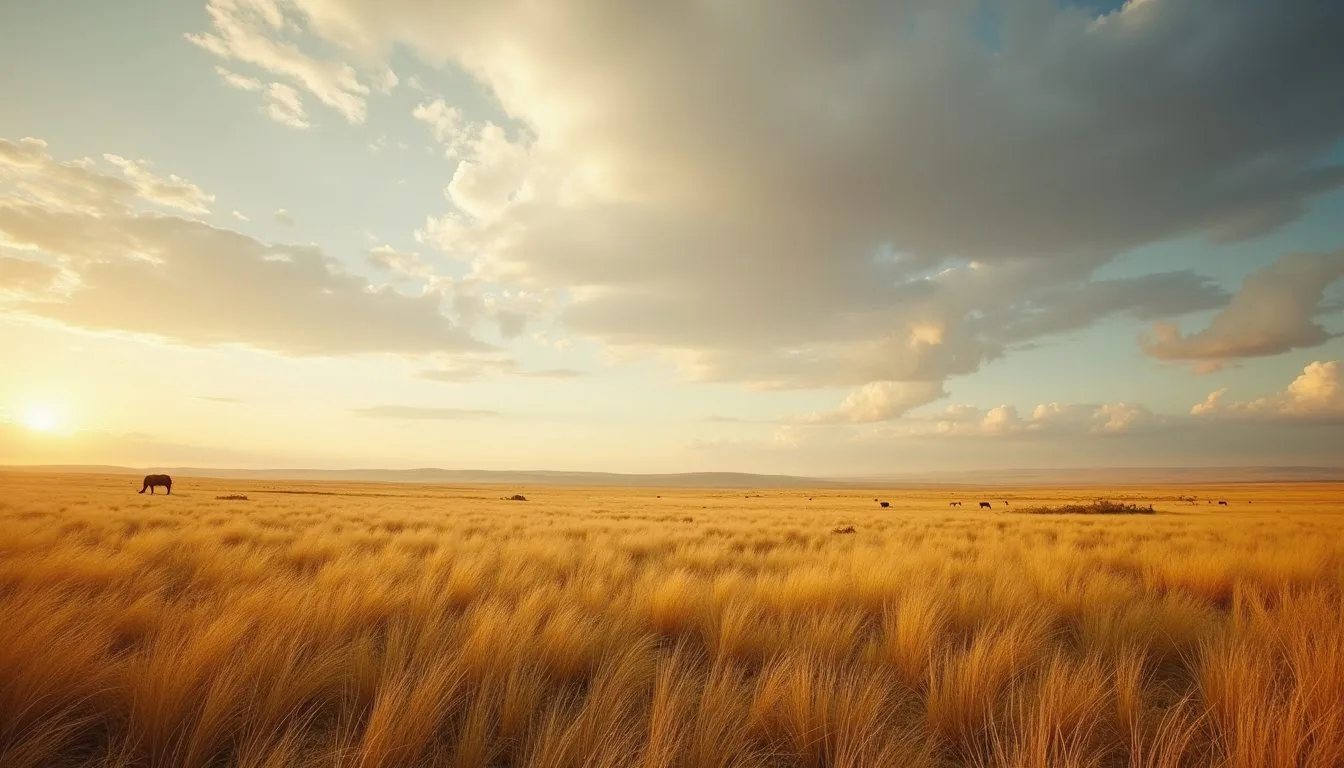
nature
Kazakh Steppe: World's Largest Grassland — Complete Guide
The Kazakh steppe covers 800,000+ km² — larger than France and Germany combined. History, wildlife, nomadic culture, and how to experience it today.