Solo Female Travel in Kazakhstan: A Practical Safety Plan
Reported from the ground: Tugelbay Konabayev is a Kazakh native (born in Aktobe) who has lived 7 years in Almaty and 4 in Astana. About the author.
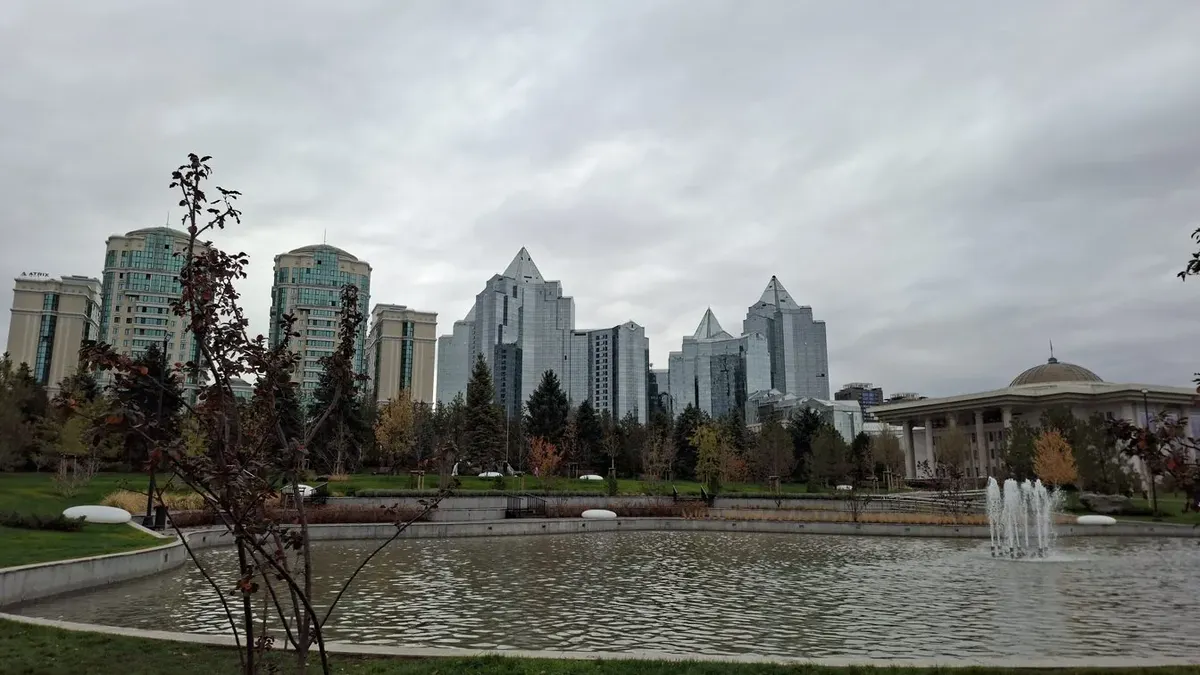
In this article12 sections
Kazakhstan can be a workable destination for a woman travelling alone, but no responsible guide can certify that the whole country is “safe.” The useful answer is situational: daytime city sightseeing is relatively simple to organise, while late-night nightlife, unofficial taxis, overnight trains, mountain routes, and remote road trips need stronger controls. Plan the risky transitions before departure instead of relying on reassuring anecdotes.
The current UK government safety advice for Kazakhstan warns about robbery around bars and clubs, drink spiking and sexual assault, pickpocketing, and the hazards of remote trekking. Kazakhstan’s official eGov portal lists 102 for police and 112 for the unified emergency dispatch service. Save both numbers before the trip.
| Situation | Main exposure | Control to arrange before you go | Exit plan |
|---|---|---|---|
| Daytime city visit | Pickpocketing in crowds and public transport | Closed bag, separate bank card, saved hotel address | Enter a staffed shop, hotel, or cafe |
| Late arrival | Unofficial driver, wrong pickup, weak phone connection | Pre-booked licensed ride or self-ordered app ride | Return to the terminal or staffed reception |
| Bar or club | Drink spiking, assault, robbery after closing | Keep control of your drink and book the ride home early | Leave with your own transport plan, not a new acquaintance |
| Overnight train | Theft while sleeping, unwanted access to a compartment | Keep valuables secured and lock the compartment where possible | Contact train staff and move to a staffed carriage area |
| Mountain or remote route | Weather, terrain, weak mobile coverage, delayed rescue | Reputable operator, return time, route share, suitable insurance | Turn around early and follow the operator’s emergency plan |
This is a risk-planning guide, not a guarantee about every neighbourhood, person, or journey.
Is Kazakhstan Safe for Solo Female Travellers?
There is no honest single safety verdict for the whole country. Almaty and Astana have the services needed to build a controlled city itinerary: staffed accommodation, scheduled transport, public venues, and routes that can be checked before departure. That does not remove the risks that apply in other major cities, especially after dark or around nightlife.
The strongest current official advisory used for this review does not say that women should avoid Kazakhstan. It does say that robberies can happen around bars and clubs, that travellers should avoid walking alone at night, and that they should pre-arrange transport rather than use unofficial taxis. It also describes drink spiking and sexual assault as risks in bars and nightclubs. Those warnings matter more than anonymous claims that a visitor “felt safe.”
Remote travel is a different category. A desert transfer, an unmarked canyon route, or a high mountain walk can become serious because of distance, weather, terrain, and limited communications. These are not exclusively female risks, but being alone reduces the margin for error.
Use this practical test for each day:
- Can you identify the route, operator, pickup point, and finish time?
- Does somebody else have the plan and know when to expect an update?
- Can you leave without depending on a stranger you have just met?
- Will your phone, payment method, and identification still work if one item fails?
- Is there a staffed place or emergency contact available at the destination?
If several answers are no, change the plan before leaving.
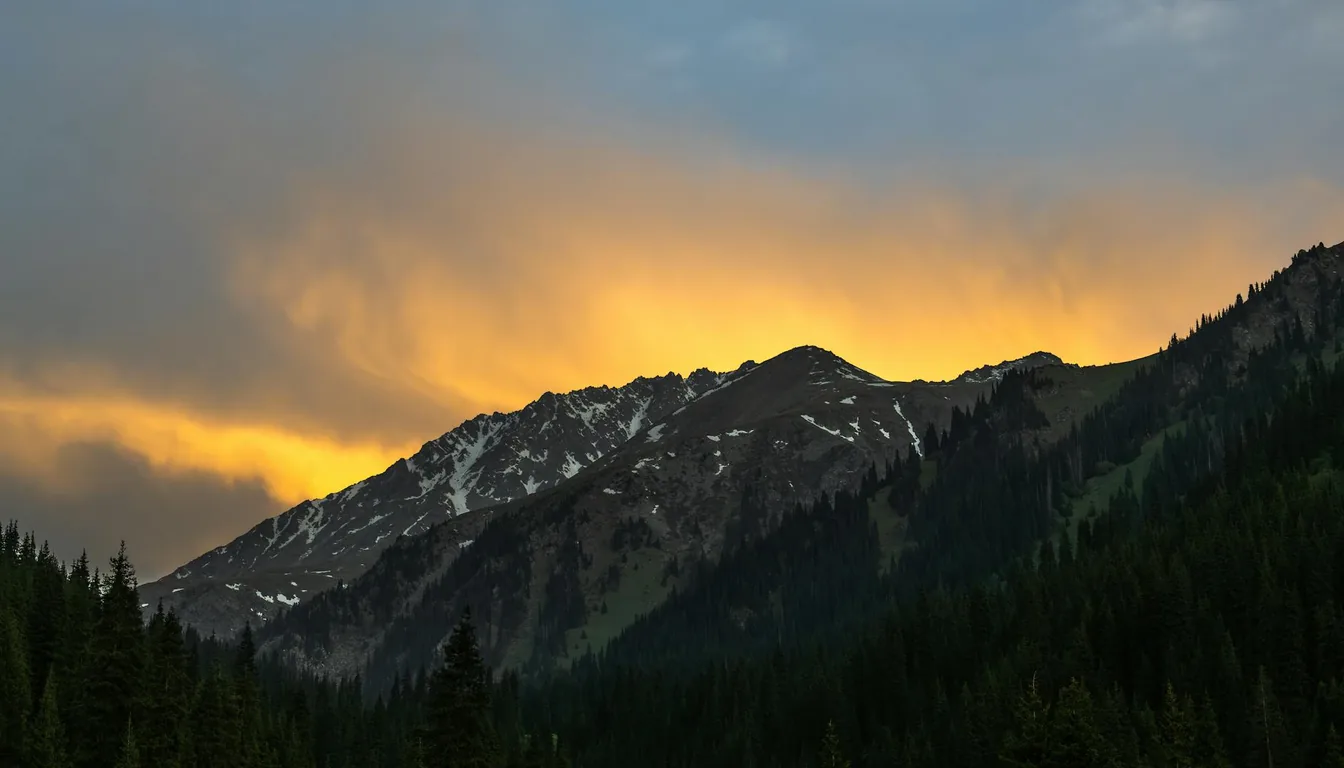
Almaty is a practical first base, but mountain plans require a separate risk check from city sightseeing.
Build a Safer Arrival
Arrange the first transfer and check-in before the flight. The arrival is where fatigue, luggage, poor connectivity, and an unfamiliar pickup system overlap. Do not make the transport decision while standing outside the terminal.
Before the flight, save the accommodation’s full address in the local script and in a form a driver can read. Take a screenshot of the booking, identify the staffed reception hours, and ask the property which licensed transfer it recognises. If using a ride app, place the order yourself and match the plate, vehicle, driver, and destination shown in the booking before entering.
Do not accept an unsolicited off-app ride or share a taxi already carrying another passenger. The FCDO transport guidance specifically advises using licensed, pre-arranged taxis and avoiding unofficial or occupied taxis. If the pickup feels wrong, return to the terminal rather than negotiating beside the car.
For a late arrival, choose accommodation with a 24-hour desk, recent reviews that discuss the immediate area, a clearly published address, and a documented check-in process. A famous brand name is less useful than a reception that answers the phone when the flight is delayed.
Keep the first night simple. Check in, verify the room lock and emergency exit, charge the phone, and delay optional sightseeing until daylight. The Almaty taxi scam warnings guide explains the local pickup choices and the evidence to preserve if a ride goes wrong.
City Transport and Walking
Use recorded transport and avoid solo night walks. A booked ride is not automatically a safe ride. Keep the booking in the app, confirm the destination before departure, and do not agree to replace the recorded trip with a private cash arrangement. Share the trip details with a trusted contact when the feature is available. If the route changes unexpectedly, ask about it early and end the ride at a staffed public place if you feel threatened.
For walking, separate “busy and familiar” from “technically central.” A short route can change after shops close, public transport stops, or weather reduces foot traffic. The official advice is to avoid walking alone at night. That is a clearer rule than trying to classify every Almaty or Astana district as safe or unsafe.
On buses, at markets, and in other crowded areas, keep the phone and wallet in a closed compartment. The FCDO identifies pickpocketing as common in crowded places, on public transport, and in markets. Carry only the payment cards needed that day, and keep a backup separately.
Kazakhstan’s current travel advice also says foreign visitors should carry their original identification. Store a secure digital copy separately so that document details remain available if the original is lost, but do not assume a phone image replaces the original when an authority requests it.
Nightlife: Control the Return Journey
Keep control of both your drink and your ride home. Do not use “the city feels safe” as the nightlife plan. Before entering a bar or club, decide how you will return, save the accommodation location, and check that the phone has enough charge for the ride.
Keep your drink in sight and do not accept an open drink that you did not watch being prepared. If it tastes wrong or you become unexpectedly disoriented, tell staff or a trusted companion immediately, move to a staffed public area, and seek medical or police help. The FCDO warning covers both drink spiking and sexual assault in bars and nightclubs.
Leave when your judgement says to leave. You do not owe politeness to someone who ignores a boundary. If a person follows you, blocks your exit, touches you without consent, or pressures you into a different destination, move toward staff or security and call 102 or 112 when there is an immediate threat. Record names, times, vehicle plates, messages, or payment details only when doing so does not increase the danger.
Avoid walking home alone after closing time. Pre-order a licensed ride and wait inside until the vehicle is confirmed. Do not let a new acquaintance become the only person who knows where you are going.
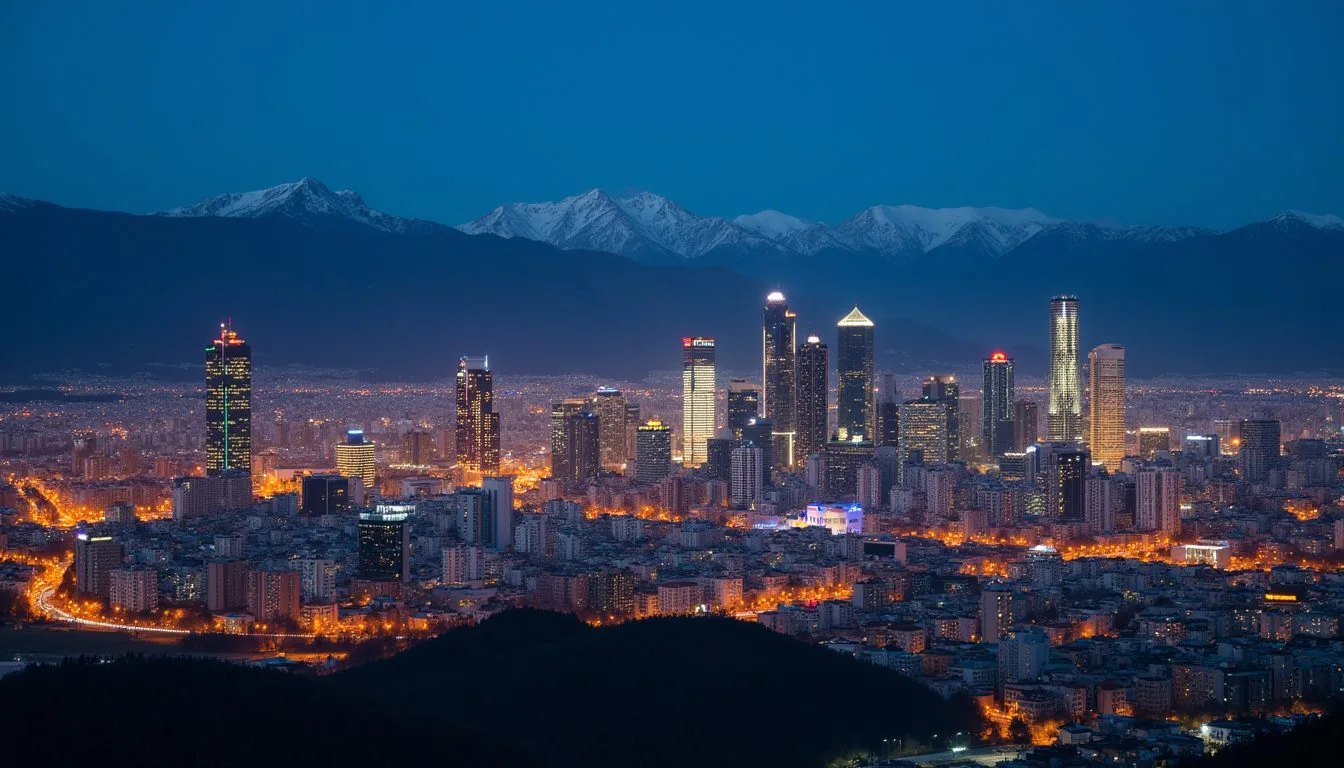
For an evening out, arrange the ride back before the venue closes and wait for it indoors.
Overnight Trains
Secure the compartment, valuables, and arrival plan. An overnight train can be useful, but privacy and theft controls matter more than romantic descriptions of the journey. Book through an official or clearly identified sales channel, verify the train number and departure station, and arrive with time to find the carriage without accepting unsolicited help with luggage.
Keep identification, phone, and payment methods on your body or in a secured bag while sleeping. The FCDO advises locking the compartment door on overnight trains. If your compartment cannot be secured, or another passenger’s behaviour concerns you, speak to the carriage attendant early. Do not wait for a situation to become confrontational.
Share the train number, carriage, departure time, and expected arrival with a trusted contact. Set a check-in time after arrival. Food, water, medication, and a charged power bank belong in the hand luggage you can reach without leaving valuables unattended.
For the Almaty to Astana route, compare the current train and flight schedules rather than assuming the train is always the cheaper or easier option. The Almaty to Astana guide helps frame that choice, but live departure details should be verified when booking.
Mountains, Canyons, and Remote Roads
Do not trek alone, and do not treat a remote drive like a city transfer. The official advisory warns that weather can change quickly and lists avalanches, landslides, falling rocks, altitude, and difficult rescue access among the hazards. It advises using a reputable agency, telling someone when you expect to return, carrying suitable equipment, and not trekking alone.
For any mountain or remote excursion, ask the operator these questions in writing:
- What exact route and turnaround time are planned?
- Who is the named guide, and how can the company be contacted?
- What weather or road condition cancels the trip?
- What vehicle, safety equipment, and communication backup are carried?
- What happens if the group is delayed or a traveller needs evacuation?
Check that travel insurance covers the activity, altitude, region, and emergency assistance you actually plan to use. Standard city-trip coverage may not include trekking or remote evacuation. Download the route and essential contacts, but remember that offline maps do not create mobile coverage.
Do not hike alone above the city simply because the trail starts near public transport. Use a maintained route within your experience, turn around before conditions deteriorate, and keep enough daylight for the return. For a first visit, a properly vetted group trip is easier to control than a private ride arranged informally after arrival.
The Almaty day trips guide separates easy city-linked outings from routes that need more logistics. Recheck weather, access rules, and operator terms on the day.
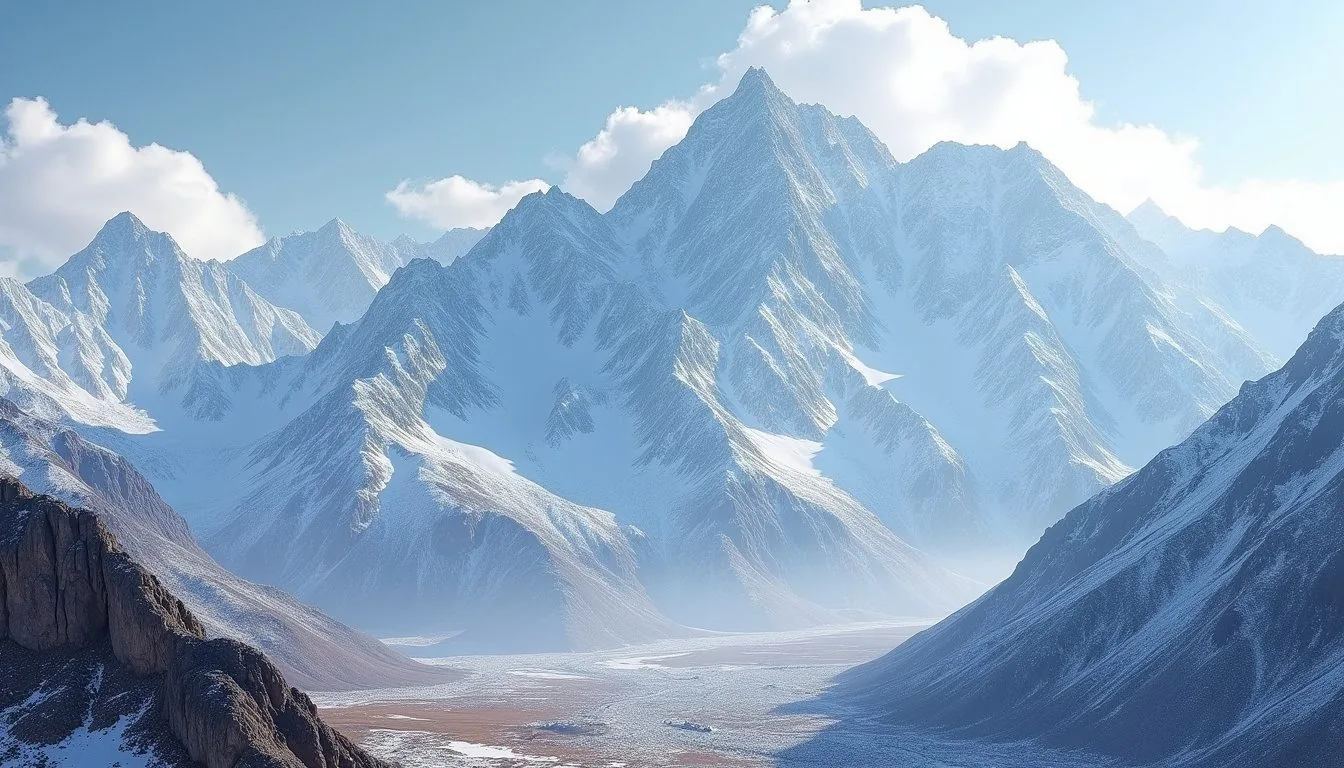
Remote terrain adds weather, communication, and rescue constraints that do not exist on a city walk.
What to Wear
Choose clothing for weather and the venue, not as a promise of safety. Harassment is never caused by what a traveller wears. In ordinary city settings, choose clothing for comfort and the activities planned. Kazakhstan has hot summers, severe winter conditions in some regions, and rapidly changing mountain weather, so the practical layer matters more than a universal dress rule.
Religious and memorial sites may have their own entry expectations. Check the venue’s official guidance before visiting. Carrying a light scarf or cover layer can be convenient, but this is a preparation choice, not a claim that women must dress one way across Kazakhstan.
Avoid advice that assigns one dress code to Almaty, Astana, Shymkent, Turkestan, villages, beaches, and mountain routes. The setting and venue are more useful than a stereotype about an entire region.
A 7-Day Low-Friction First Trip
Keep the first itinerary simple and limit complicated transitions. This sample is not a promise that each day will be risk-free.
Day 1: Arrive during staffed check-in hours if possible. Use the pre-arranged transfer, confirm the room, and keep the evening local.
Day 2: Explore central Almaty in daylight. Test the phone connection, payment method, and transport app before an evening booking depends on them.
Day 3: Choose a city museum, park, or market route with a defined return. Keep valuables secured in crowds.
Day 4: Join a vetted mountain or canyon trip only if the operator, route, weather rule, communications, and return time are clear.
Day 5: Use a daytime flight or a deliberately selected train to Astana. Share the booking and arrival plan with a trusted contact.
Day 6: Visit Astana sights on a route that accounts for distance and weather. Book the evening ride before leaving the final venue.
Day 7: Leave enough time for the airport transfer. Avoid adding an unverified private excursion on the final morning.
If the trip includes Mangystau, a long desert drive, or multi-day trekking, treat it as a separate planning module. Verify the operator and rescue plan rather than attaching it casually to a city itinerary.
Accommodation Checklist
Prioritise controlled access, reliable reception, and a clear arrival procedure. Use recent evidence about operations, not a generic list of hotel names. Before paying, check:
- the exact address and distance from the places you plan to visit;
- a 24-hour contact method or clearly compatible reception hours;
- recent guest comments about entry, locks, noise, and the surrounding street;
- cancellation terms and the total price shown at checkout;
- the airport or station transfer procedure;
- whether the room and building entrances lock properly;
- an alternative nearby staffed place if check-in fails.
On arrival, do not announce the room number where strangers can hear it. Meet a new contact in a public area rather than bringing them directly to the room. If a lock, window, or access procedure feels insecure, ask for another room or leave while reception and transport are available.
Emergency Plan
Save 102 for police and 112 for unified emergency dispatch. Keep the numbers in the phone and on paper:
- 102: police;
- 112: unified emergency dispatch service.
The eGov Kazakhstan emergency-number page is the official source used for both. In an emergency, give the location first, then describe what happened and what help is needed. Ask a hotel desk, venue employee, guide, or transport worker to help with language if that can be done safely.
Before departure, also record your insurer’s assistance number, accommodation contact, trusted person, and any medication details. Keep one bank card and a small amount of money separate from the main wallet. A backup should be accessible to you, not packed in luggage that can be separated from you.
The Bottom Line
Plan the risky situations instead of trusting a national safety label. The core controls are straightforward: licensed pre-arranged transport, no solo night walks, direct control of drinks, secured valuables on trains and in crowds, no solo trekking, a shared return plan, and the official 102 and 112 emergency numbers.
That approach cannot eliminate crime, harassment, weather, or transport failure. It does make the trip less dependent on luck and on strangers’ anecdotes.
Use the broader Kazakhstan safety guide to check current national advice alongside this situation-specific plan.
Frequently Asked Questions
Is Kazakhstan safe for a solo female traveller?
It can be a workable destination with situation-specific planning, but no guide can certify the whole country as safe. Daytime city tourism is easier to control than nightlife, unofficial taxis, overnight trains, mountain routes, and remote road trips.
Is it safe to walk alone at night in Almaty or Astana?
Current UK government advice says to avoid walking alone at night in Kazakhstan. Arrange licensed transport in advance, wait inside a staffed venue, and match the arriving vehicle to your booking.
What taxi should a woman travelling alone use?
Use a licensed pre-arranged taxi or a ride you order yourself through an established app. Confirm the plate, vehicle, driver, destination, and recorded fare method. Avoid unofficial taxis and taxis already carrying another passenger.
Are overnight trains suitable for solo female travellers?
They can be used with precautions. Secure valuables while sleeping, lock the compartment where possible, share the train and carriage details, and contact the carriage attendant early if another passenger's behaviour concerns you.
Can I hike alone near Almaty?
Official advice says not to trek alone. Mountain weather, rockfall, landslides, avalanches, altitude, limited communications, and difficult rescue access require a route plan, suitable equipment, a reputable operator or companion, insurance, and a firm turnaround time.
What are Kazakhstan's emergency numbers?
Call 102 for police or 112 for the unified emergency dispatch service. Save both before the trip, along with your insurer, accommodation, and trusted contact details.
Sources and Update Notes
- UK Foreign, Commonwealth & Development Office: Kazakhstan safety and security, checked August 21, 2026
- eGov Kazakhstan: official emergency numbers, page updated July 12, 2026 and checked August 21, 2026
This article was fully rebuilt on August 21, 2026. The previous Reddit quotations, “30+ threads” methodology claim, seven-year personal-observation claim, city and regional stereotypes, named bars and tour operators, fixed prices, categorical dress rules, and promises that women can walk safely at night or travel safely everywhere were removed. The article now distinguishes city, nightlife, train, and remote-terrain risks and does not present anecdotal experience as proof of safety.
Last reviewed: August 2026.
Google Preferred Sources
See more Kazakhstan stories in Google
Add About Kazakhstan as a preferred source to find more of our fresh, relevant stories in Google Search.
More Stories
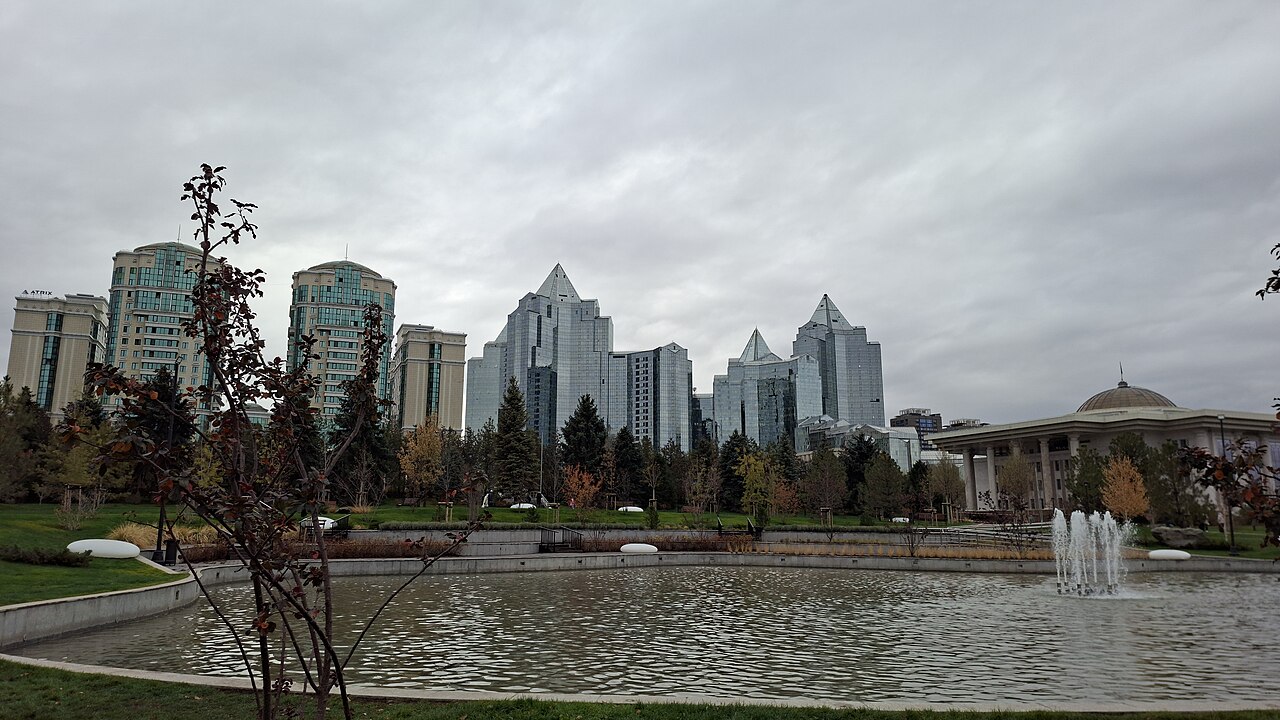
travel
Is Kazakhstan Safe for Solo Female Travellers? Honest Guide
Solo female travel in Kazakhstan: situation-based safety planning, verified emergency numbers, transport checks, nightlife precautions, and official resources.
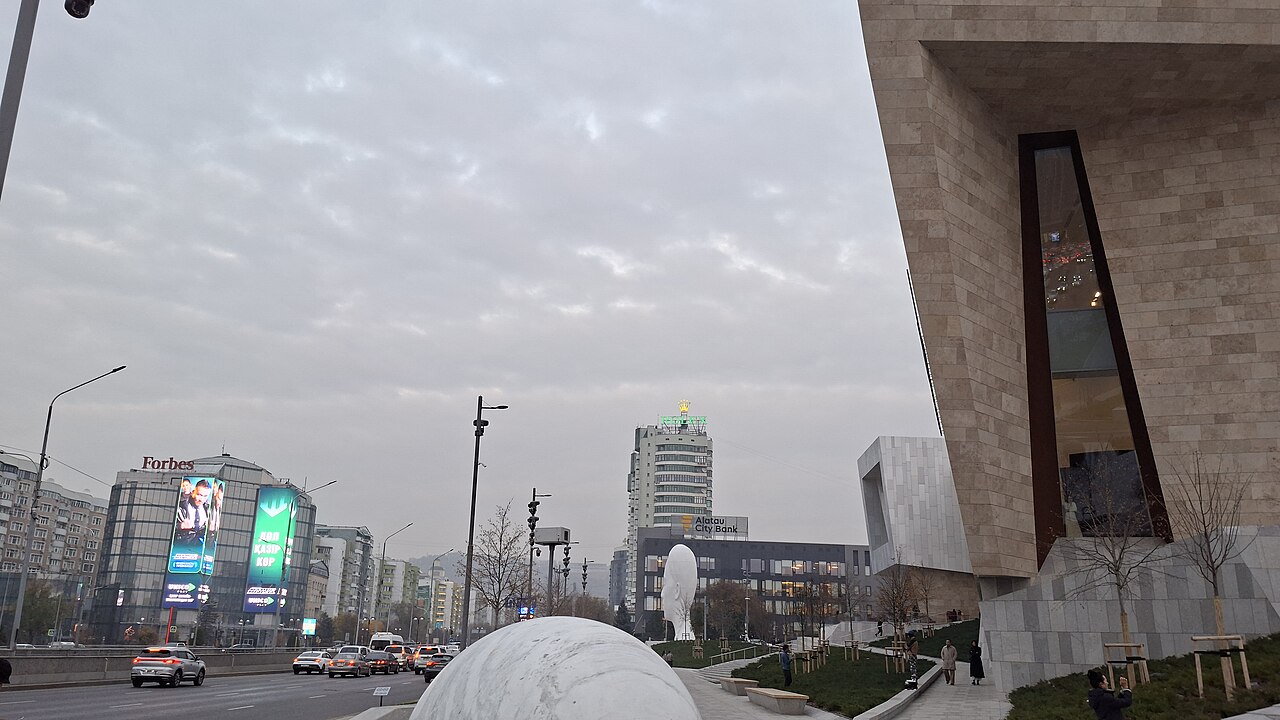
travel
Is Kazakhstan Safe to Travel in 2026? Practical Risk Guide
Is Kazakhstan safe to visit in 2026? Current official advice, emergency numbers, road and taxi risks, documents, health, and a practical checklist.
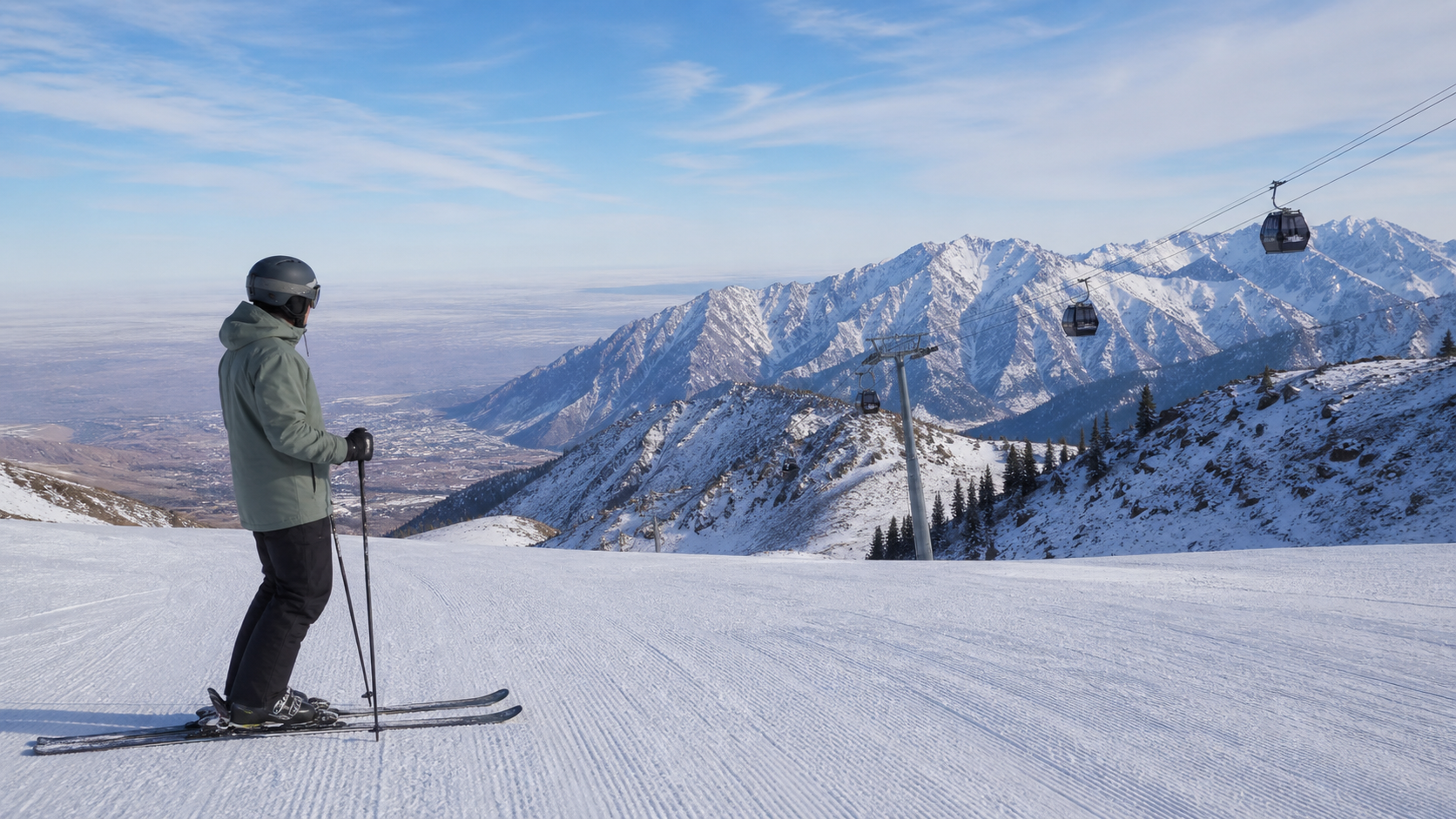
travel
Kazakhstan Skiing: Shymbulak, Resorts & Safety
Plan a Kazakhstan ski trip from Almaty: compare Shymbulak and Ak-Bulak, check live lift conditions and costs, and separate pistes from avalanche terrain.
travel
Kazakhstan Travel Tips: 25 Things to Know
Essential Kazakhstan travel tips for 2026 — visa, money, transport, SIM cards, culture, safety, food, and packing advice for first-time visitors.
Plan the Next Step
travel
Kazakhstan Tourist Attractions: Choose the Right First-Trip Route
Compare Kazakhstan tourist attractions by base and logistics: Almaty nature, Turkestan heritage, Mangystau, Astana, Baikonur, and more.
food
Beshbarmak Recipe: How Kazakh Et Is Served
A source-checked guide to Kazakh et, widely called beshbarmak: what is on the platter, a practical home recipe, regional differences, and guest etiquette.
culture
Women in Kazakhstan: Rights, Work and Daily Life in 2026
Source-checked guide to women in Kazakhstan: current legal rights, dated work and wage data, marriage statistics, safety, and respectful language.
travel
Things to Do in Kazakhstan: 13 Places Worth Your Time
Choose the best things to do in Kazakhstan by trip length: Almaty, Charyn, Kolsai, Astana, Turkestan, Tamgaly, Altyn-Emel, food, and Nauryz.
travel
12 Best Day Trips from Almaty: Complete Guide 2026
Best Almaty day trips — Charyn Canyon, Big Almaty Lake, Kolsai Lakes, Tamgaly petroglyphs, Altyn-Emel. Distances, costs, and how to get there.
travel
Shymkent Travel Guide: City Sights, Food & Day Trips
Plan a Shymkent visit with reliable city clusters, food choices, Turkestan and Sayram options, live transport checks, and heat-aware itineraries.

Travel Writer & Local Expert · Almaty, Kazakhstan
Tugelbay Konabayev is a Kazakhstan-based travel writer who has lived in Almaty for 7+ years and Astana for 4+ years. He grew up in Aktobe, Kazakhstan and has covered Kazakh travel, food, culture, and visa policy with first-hand reporting since 2023.