Kazakhstan Nature: 12 Stunning Landscapes You Must See
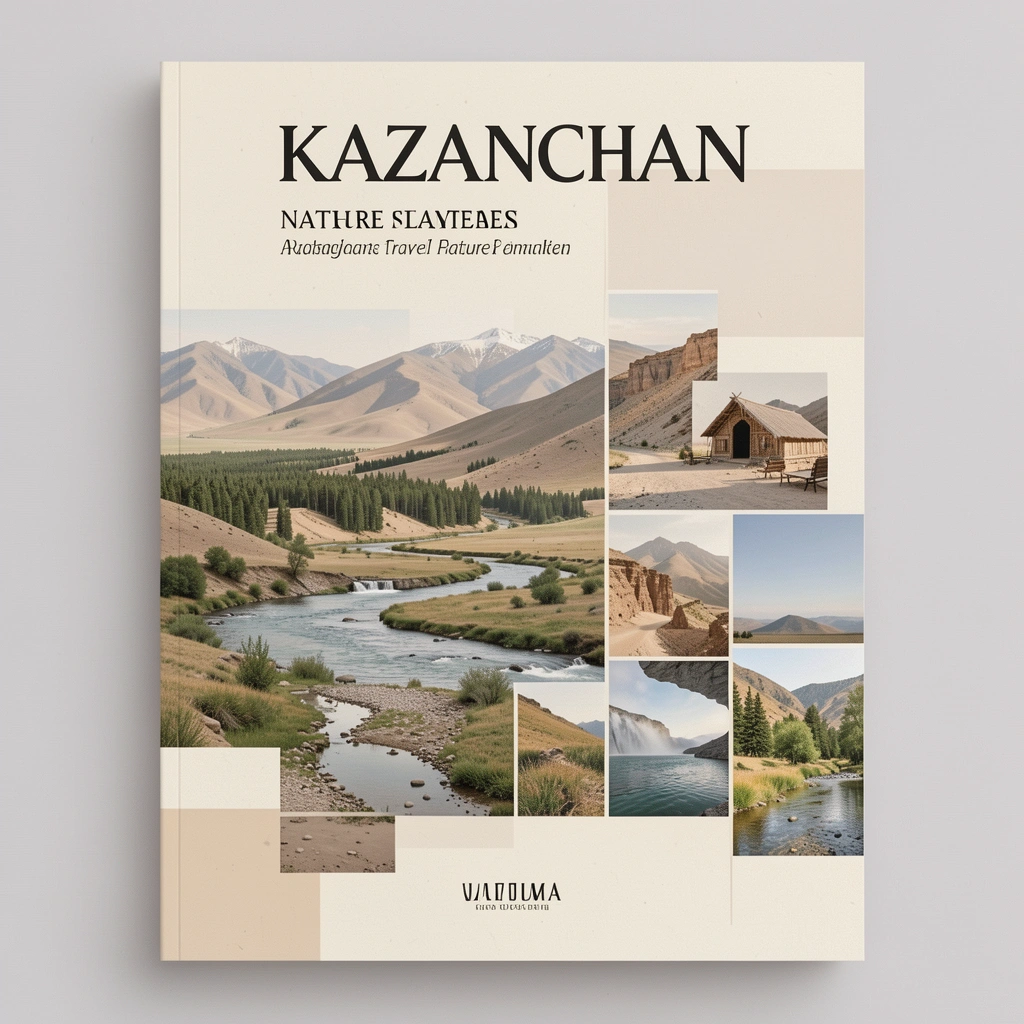
Kazakhstan is the ninth largest country on Earth, spanning 2.7 million square kilometers from the Caspian Sea to the Altai Mountains, and its landscapes include alpine glaciers, singing sand dunes, turquoise crater lakes, and the world’s largest dry steppe. The country has 14 national parks, 10 nature reserves, and more than 8,000 plant species (World Bank, 2024). From the Charyn Canyon often compared to the Grand Canyon to the flamingo-filled shores of Lake Balkhash, Kazakhstan’s nature rivals anything in Patagonia or New Zealand but receives a fraction of the visitors.
Geography and Climate Zones
Kazakhstan stretches across five distinct climate zones, creating an extraordinary range of ecosystems within a single country.
| Zone | Region | Landscape | Best Season |
|---|---|---|---|
| Alpine | Southeast (Tian Shan, Altai) | Glaciers, peaks above 4,000 m, alpine meadows | June-September |
| Semi-arid steppe | Central Kazakhstan | Endless grasslands, the Kazakh Steppe | May-June, September |
| Desert | South-central (Kyzylkum, Betpak-Dala) | Sand dunes, saxaul forests, canyons | March-May, October |
| Caspian lowland | West | Coastal wetlands, below sea level | April-May |
| Forest-steppe | North | Birch forests, rolling hills, lakes | June-August |
This diversity means you can stand on a glacier at 4,000 meters in the morning and drive through desert dunes by evening, all within the same country.
Top Natural Landmarks
Charyn Canyon
Often called Central Asia’s Grand Canyon, Charyn Canyon stretches 154 km along the Charyn River, 200 km east of Almaty. The Valley of Castles section features red sandstone formations carved over 12 million years. Entry costs about $2. Allow a full day trip from Almaty.
Big Almaty Lake
A glacial lake at 2,511 meters in the Zailiysky Alatau range, Big Almaty Lake changes color through the seasons, from deep turquoise in summer to frozen white in winter. The lake sits just 28 km from Almaty center but requires a 4WD vehicle or a 3-hour hike on the final stretch.
Kolsai Lakes
Three alpine lakes stacked at elevations of 1,818, 2,252, and 2,700 meters in the Kungey Alatau range. The first lake is a 1-hour hike from the parking area, the second requires 5-6 hours round trip, and the third demands a full overnight trek. UNESCO added the Kolsai Lakes to its World Heritage Tentative List in 2022.
Altyn-Emel National Park
Home to the Singing Dune, a 150-meter-high sand formation that produces a low humming sound when wind moves across its surface. The park also shelters wild Przewalski’s horses and the Aktau Mountains, chalky white formations that look like a lunar landscape. Located 250 km northeast of Almaty.
Lake Balkhash
The world’s 15th largest lake and one of only a few that is half freshwater, half saltwater, split by a narrow strait. The western half feeds Kazakhstan’s fishing industry, while the eastern half supports unique saline ecosystems. At 605 km long, it is visible from space.
Kazakh Steppe
The Kazakh Steppe is the largest dry steppe region on the planet, covering over 800,000 square kilometers. In spring (May-June), the steppe erupts in wildflowers, and the Saiga antelope, once critically endangered, now numbers over 1.3 million following conservation efforts (IUCN, 2024).
National Parks Worth Visiting
Kazakhstan’s 14 national parks protect the country’s most important ecosystems. The top five for visitors:
| Park | Region | Highlight | Access From |
|---|---|---|---|
| Ile-Alatau | Almaty suburbs | Big Almaty Lake, hiking trails | Almaty (20 min) |
| Charyn | Southeast | Valley of Castles, river rafting | Almaty (3.5 hr) |
| Altyn-Emel | Southeast | Singing Dune, wild horses | Almaty (4 hr) |
| Kolsai Lakes | Southeast | Three alpine lakes, camping | Almaty (5 hr) |
| Burabay (Borovoe) | North | ”Kazakhstan’s Switzerland,” pine forests, lakes | Astana (3 hr) |
Park entry fees are minimal, ranging from 500 to 1,500 tenge ($1-3). Camping is permitted in designated areas within most parks.
Kazakhstan’s Mountains
The country’s southeastern border holds the northern Tian Shan range, with peaks exceeding 7,000 meters. Khan Tengri (6,995 m) on the Kazakhstan-Kyrgyzstan border is one of Central Asia’s most sought-after mountaineering objectives.
For trekkers, the Zailiysky Alatau range behind Almaty offers dozens of day and multi-day hikes ranging from easy valley walks to technical alpine routes. Popular routes include:
- Kok-Zhailau meadow: 3-4 hour round trip, easy, spectacular views of Almaty
- Furmanov Peak: 6-7 hours, moderate, 3,050 m summit
- Big Almaty Peak: Full day, challenging, 3,681 m
- Ozerniy trek: 2-3 days, moderate, crosses between Almaty valleys
Wildlife
Kazakhstan hosts an impressive range of wildlife adapted to its extreme environments:
- Snow leopard: Estimated 100-120 individuals in the Tian Shan (WWF, 2024), one of the last viable populations
- Saiga antelope: 1.3 million on the steppe, recovered from 50,000 in 2015 (IUCN, 2024)
- Golden eagle: Used in traditional eagle hunting, with an estimated 2,000 trained birds
- Flamingos: Colonies of up to 30,000 breed at Tengiz-Korgalzhyn lakes, a UNESCO World Heritage site
- Caspian seal: Endangered, found along Kazakhstan’s Caspian coast
Best Time to Visit for Nature
| Goal | Best Months | Why |
|---|---|---|
| Wildflower steppe | May-June | Steppe blooms, mild temperatures |
| Alpine hiking | July-August | Snow melts above 3,000 m, trails clear |
| Autumn colors | September-October | Golden larches in Tian Shan, warm days |
| Skiing | January-February | Peak snow, all resorts open |
| Bird watching | April-May | Migration through wetlands |
| Photography | May, September | Best light, moderate weather |
For the widest range of accessible landscapes, visit between late May and early October.
Practical Tips for Nature Travel
Transport: Most natural landmarks require a car. Renting a 4WD in Almaty costs $60-100/day. Organized tours from Almaty to Charyn Canyon or Kolsai Lakes run $40-80/person including transport and guide.
Accommodation: Outside of Almaty and Astana, options are limited. Guesthouses near Kolsai Lakes and Charyn Canyon charge $15-30/night. Camping is free in most areas but bring all supplies.
Connectivity: Cell coverage exists along major roads but drops to zero in canyons, mountains, and remote steppe areas. Download offline maps (Maps.me or Google Maps offline) before heading out.
Permits: Most national parks require an entry permit, available at park gates for 500-1,500 tenge. Border zone permits are needed for areas within 25 km of the Chinese or Kyrgyz border (free, apply 10 days in advance at migration police).
Frequently Asked Questions
Start Planning
The most practical approach is to base yourself in Almaty and explore outward. The city sits at the foot of the Tian Shan, putting Big Almaty Lake, Shymbulak mountain area, and Charyn Canyon all within a few hours. A 7-10 day itinerary lets you cover the southeastern highlights comfortably.
Kazakhstan’s nature is its strongest tourism asset. The country contains landscapes that exist nowhere else, virtually empty of tourists, accessible at a fraction of what similar destinations charge. The infrastructure is catching up, new trails are being marked every year, and the window before mass tourism arrives is still wide open.
More Stories
nature
Kazakhstan Hiking: 12 Best Trails With Difficulty and Costs
Best hiking trails in Kazakhstan from easy day walks to multi-day treks. Trail details, difficulty ratings, costs, gear lists, and when to go for each region.
nature
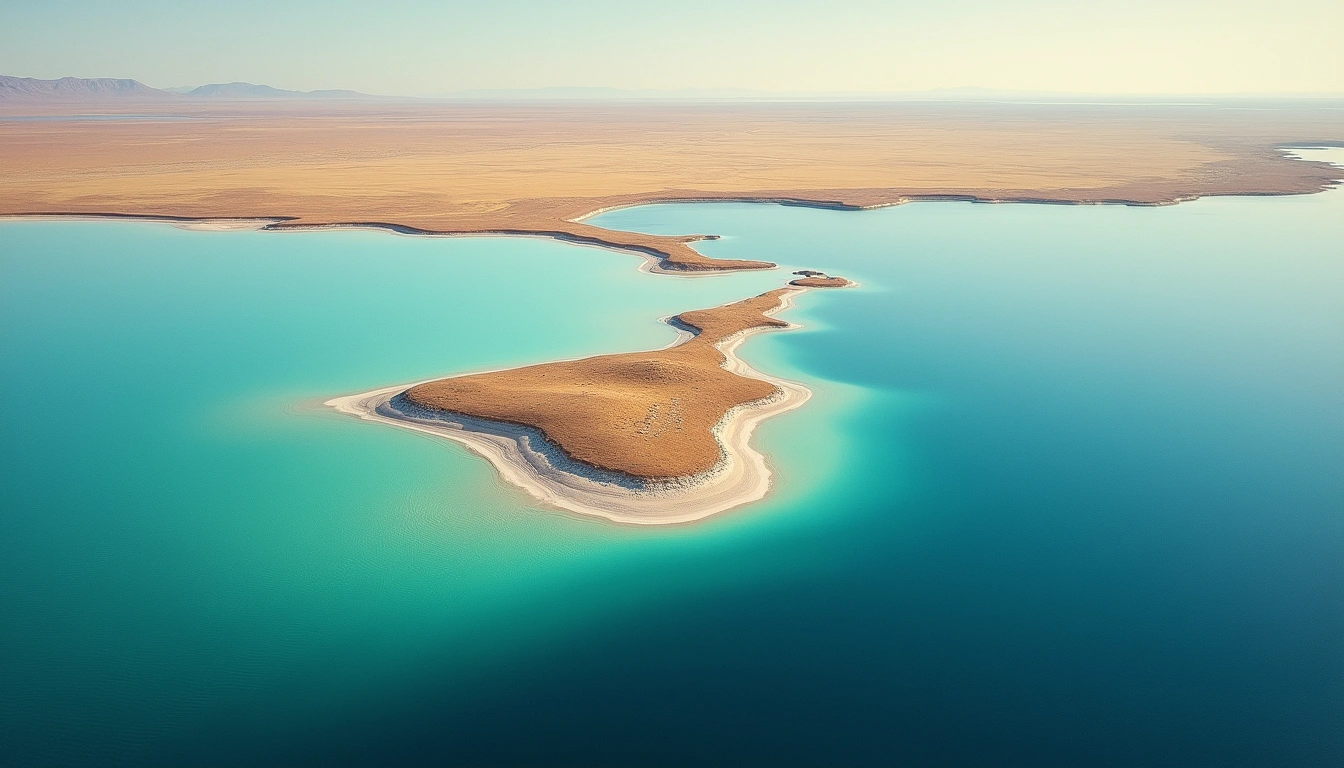
Lake Balkhash: Kazakhstan's Two-Toned Natural Wonder
Lake Balkhash is Central Asia's largest lake after the Aral Sea, famous for its half-fresh, half-salt water. Discover wildlife, travel tips, and ecology.
nature
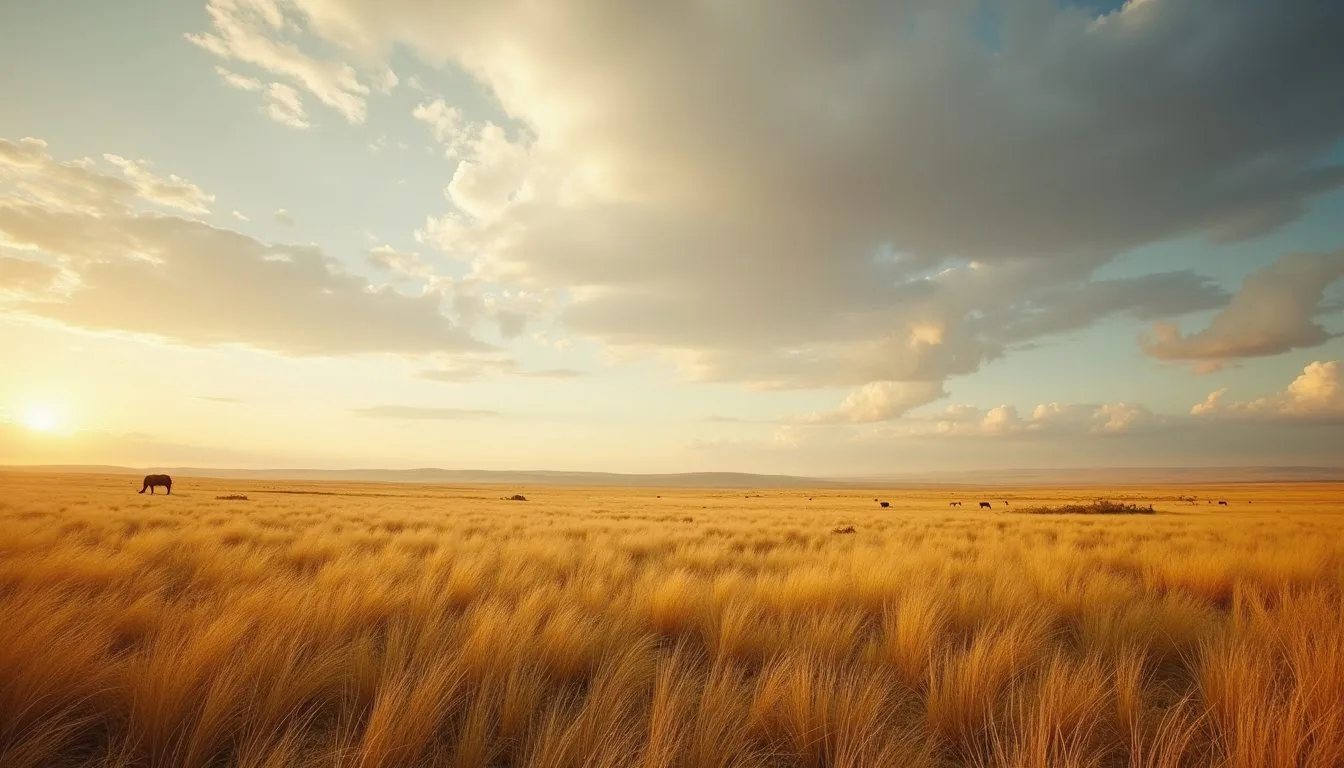
Kazakh Steppe: World's Largest Grassland — Complete Guide
The Kazakh steppe covers 800,000+ km² — larger than France and Germany combined. History, wildlife, nomadic culture, and how to experience it today.