Cities in Kazakhstan: 90 Cities and Major City Guide
Reported from the ground: Tugelbay Konabayev is a Kazakh native (born in Aktobe) who has lived 7 years in Almaty and 4 in Astana. About the author.
In this article8 sections
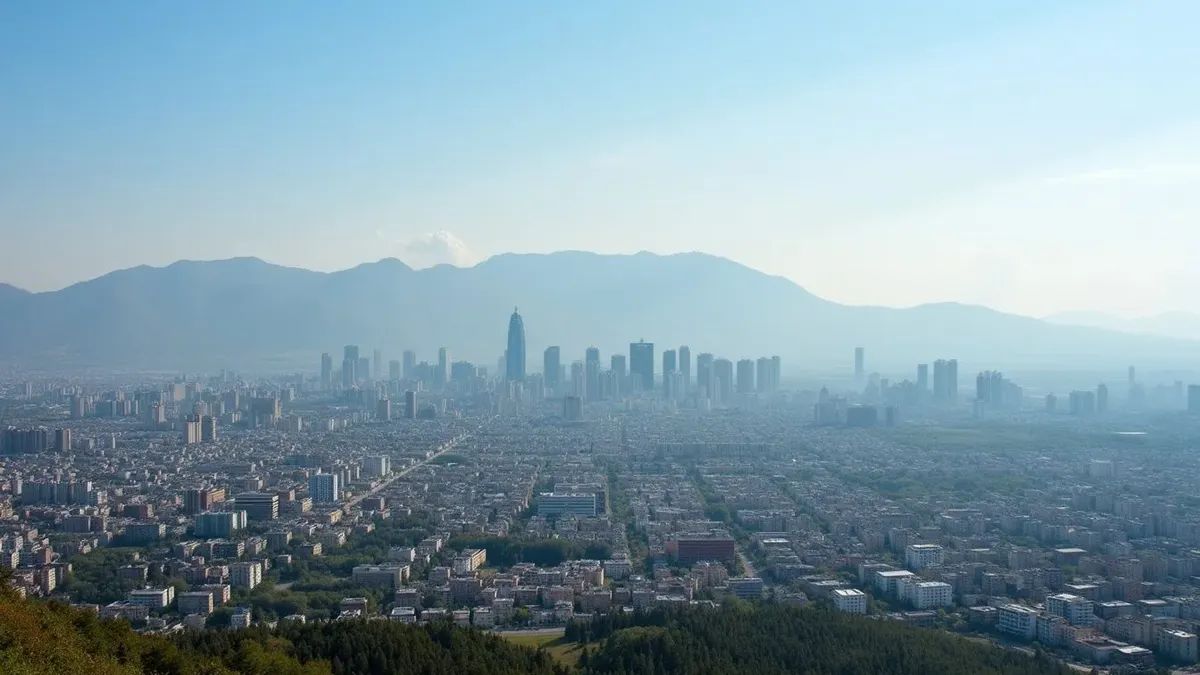
Kazakhstan has 90 officially designated cities. Only three - Almaty, Astana, and Shymkent - exceed one million people. The jump from 1.3 million (Shymkent) to 560,000 (Aktobe) is enormous. Per Bureau of National Statistics, May 1, 2026: Almaty 2.36M, Astana 1.67M, Shymkent 1.31M; total population 20.56M. World Bank data tracks rapid urbanization since independence. For visitors, this means something simple: seven cities matter for travel. The rest are industrial/transit hubs. This guide covers which cities are worth your time, what each offers, and why they differ.
The Three Cities Most Visitors Actually See
If you visit Kazakhstan, you will likely spend time in Almaty (cosmopolitan, mountains), Astana (futuristic, state-built architecture), or Shymkent (warm, Silk Road gateway). They are radically different from each other and from every other city in Central Asia.
1. Almaty (2.36 Million) - Where Most Visitors Start
The cultural and commercial heart of Kazakhstan. If you visit once, come here. Almaty (Kazakh: алматы, “city of apple trees”) is the main international gateway and despite losing capital status to Astana in 1997, generates ~20% of Kazakhstan’s GDP from ~10% of the population. For first-time visitors, no other Kazakhstan city offers the same density of activities, food quality, nature access, and urban sophistication in one place.
Why Almaty matters:
- Mountain access in 30 minutes. Tian Shan peaks rise dramatically behind the city. Medeu high-altitude skating rink (1,691m), Shymbulak ski resort (2,500m), Big Almaty Lake (2,510m) - all accessible as half-day excursions from the city center. Day trips to Charyn Canyon and Kolsai Lakes are standard.
- Best food scene in Central Asia. Russian, Korean, Uighur, Uzbek, European, Japanese, and contemporary Kazakh cuisines coexist without pretense. Zelyony (Green) Bazaar is the sensory and cultural core: dried fruits, spices, kurt (dried cheese), horse meat, tea vendors, and street food from across Central Asia.
- Arts, nightlife, independent theater, live music. Almaty has galleries, museums, independent theater productions, and a genuine live music scene. Nightlife runs late and stays safe by Central Asian standards.
- Architecture blend: Neoclassical Soviet buildings, turn-of-century Russian facades, and modern glass towers coexist. Tree-lined streets and parks give Almaty a leafy, relatively green feel rare in Central Asia’s drier regions.
Top neighborhoods: Medeu (upscale residential, closest mountain access), Bostandyk (dining and café hub), Almaly (old city core, Arbat pedestrian street, bazaars).
Trip length: 3–4 days for first-time visitors. A week if combining city time, mountain day trips, and a Charyn Canyon or Kolsai Lakes excursion.
See: Almaty city guide, airport guide.
2. Astana (1.67 Million) - State Architecture on the Steppe
One of the world’s most extraordinary planned cities, built from nothing since 1997. Astana grew from a provincial Soviet city of 270,000 to a modern metropolitan showcase under renowned international architects: Norman Foster, Kisho Kurokawa, Manfredi Nicoletti, and others. The city is a deliberate, state-funded showcase of 21st-century national ambition built on an empty windswept plain - a unique combination of scale, investment, and architectural ambition without organic history.
Why Astana interests visitors:
- The Left Bank skyline. Wide geometric boulevards, colossal buildings in bold forms, and an iconic silhouette that has become Kazakhstan’s international image. Deliberately monumental, sometimes stark, always ambitious.
- Bayterek Tower: 97m observation tower shaped as a stylized tree holding a golden egg (reference to a Kazakh creation myth). Visitors press their hands into President Nazarbayev’s golden handprint embedded in the deck for luck. The panoramic view of the Left Bank skyline is worth the ticket.
- Khan Shatyr: Norman Foster’s transparent tent structure - the world’s largest tent-like building. Contains an indoor beach resort with artificial sand, wave pools, swimming facilities, a roller coaster, and countless restaurants. Functions year-round as a refuge from Astana’s extreme winters (−35°C) and gives the city surreal nightlife and entertainment.
- Hazrat Sultan Mosque: Central Asia’s largest mosque by capacity (10,000 worshippers), completed 1999, with soaring interior space and intricate tilework.
- National Museum of Kazakhstan: 74,000m² comprehensive collection including extraordinary Saka gold artifacts, Silk Road textiles, and chronological national history exhibits.
Climate reality: Winters regularly −35 to −40°C with ferocious steppe wind; summers 35–40°C with intense sun. June–August is the only comfortable window for outdoor sightseeing. Winter visits require serious cold-weather gear and a plan to spend substantial time indoors. Most winter travelers focus on Khan Shatyr, museums, and evening activities.
Trip length: 1–2 days for casual visitors (see the main sights, experience the contrast with Almaty). 3 days if interested in museums and architectural detail.
See: Astana city guide, airport guide.
3. Shymkent (1.31 Million) - Silk Road Hub, Warmer Character
The southern gateway. Distinct from Almaty and Astana: predominantly Kazakh-speaking, warmer in both climate and social atmosphere, with a strong Central Asian (rather than Soviet-cosmopolitan) character. Proximity to Uzbekistan and the ancient Silk Road trade corridors define the experience. Shymkent is the jumping-off point for Turkestan’s UNESCO heritage and the route into the Uzbek interior.
Why Shymkent matters:
- Old Bazaar (Saraybazar). One of Kazakhstan’s most authentic and unsanitized traditional markets. Produce vendors, spice merchants, textile dealers, butchers, and street food stalls serve the region’s daily needs. The atmosphere is bustling, chaotic, authentic - not curated for tourism.
- Gateway to Turkestan. The UNESCO-listed Mausoleum of Khoja Ahmed Yasawi sits 3 hours north (or a 1-hour flight). Shymkent is the standard base for visiting this masterpiece of Timurid architecture and the surrounding Aziret Sultan archaeological complex.
- Uzbekistan access and Central Asian transport hub. Tashkent is 130km away (2 hours by road). Samarkand, Bukhara, and other Silk Road cities are reachable as part of a combined Kazakhstan–Uzbekistan itinerary. Shymkent is where Central Asian visa logistics, shared taxis, and regional transport intersect.
- Warmest major city (weather and culture). Shymkent’s winters are mild (−2°C in January vs. −15°C in Astana), summers hot (32°C in July). The population is predominantly ethnic Kazakh, and Kazakh is the dominant language, creating a warmer and more traditionally Central Asian social atmosphere than the Russian-influenced north.
Best for: Silk Road and Uzbekistan combined itineraries, authentic bazaar and regional food experiences, travelers building a southern Kazakhstan route (Shymkent → Turkestan → Aktau).
Four Cities Worth Knowing Beyond the Big Three
For specialized trips, four more cities matter: Turkestan (UNESCO Silk Road heritage), Karaganda (Soviet/Gulag history), Semey (Abai heritage and nuclear testing), Oskemen (Altai gateway). The rest are industrial/transit hubs with limited visitor appeal.
Turkestan (~200K) - UNESCO Silk Road, Must-See for History
Shortest visit: a half-day from Shymkent (3 hours north). Turkestan is Kazakhstan’s most historically significant city. Per UNESCO World Heritage listing, the Mausoleum of Khoja Ahmed Yasawi (1390s, Timurid masterpiece commissioned by Tamerlane) is on par with Samarkand’s Shah-i-Zinda. The turquoise dome, 40m high, is Central Asia’s finest surviving Timurid architecture - a site of major Islamic pilgrimage attracting hundreds of thousands annually. State investment since 2018 has created the Aziret Sultan complex surrounding the mausoleum with museums, reconstructed ancient Silk Road caravanserais, bathhouses, and visitor facilities spanning 60 hectares.
Sightseeing plan: 1–2 days covers the mausoleum, archaeological complex, and two ruined medieval cities. Sauran (12th–17th century earthen city walls, 20km south) shows how defensible trade-route settlements were built. Otrar (40km east), where Genghis Khan besieged the city 1218–1219, launching the Mongol invasion of Central Asia - archaeologically important and atmospherically powerful for anyone interested in how the steppes shaped world history.
Karaganda: Industrial History and Political-Repression Memory
Karaganda is a specialist stop rather than an automatic first-trip city. Give the contemporary regional centre its own orientation, then plan the Museum of Memory of Victims of Political Repressions in Dolinka as a separate memorial visit with confirmed opening, transport and return. The dedicated Karaganda travel guide keeps current city life and Karlag history distinct, removes unsourced camp-scale claims and avoids presenting repression as dark-tourism spectacle.
Semey: Abai, the Irtysh and Nuclear Memory
Semey rewards a specific cultural interest rather than a rushed city tally. The official Abai museum-reserve, the regional museum and the Irtysh riverfront give the city a literary and local-history route. Its nuclear legacy should be approached through victims, scientific study and the anti-nuclear movement, not as abandoned-site adventure tourism. The dedicated Semey travel guide builds a first day around one museum anchor, a compact city cluster and a respectful memorial boundary.
Oskemen (~330K) - Altai Gateway, Best for Nature
Oskemen is an East Kazakhstan city stop and a staging base, not the Altai itself. The dedicated Oskemen guide builds one usable day around the Irtysh, Ulba and a confirmed museum. Katon-Karagai, Markakol and other remote eastern destinations require their own operator, road, access, weather, communication and return checks; do not reduce them to assumed city day trips.
Kostanay - Tobol City and Naurzum Planning
Kostanay is a quiet northern regional stop rather than an automatic first-trip base. The dedicated Kostanay guide builds a usable city day around the Tobol riverfront and one confirmed museum, then keeps Naurzum Nature Reserve as a separately arranged protected-area journey. Add it when that specific city-and-steppe context fits the route, not to pad a national checklist.
Aktau (~200K) - Mangystau Desert and Caspian Ferry Port
For desert explorers, Caspian seafarers, and overland adventurers. Kazakhstan’s main Caspian Sea port and the base for exploring Mangystau, the most geologically dramatic and least-touristed region in Kazakhstan. The city itself was built as a Soviet planned settlement in the 1960s with a distinctive urban-planning quirk: buildings were numbered rather than given street names (a deliberate Soviet experiment). Aktau sits on a bare limestone plateau 40m above the Caspian. Architecturally unremarkable, but geographically strategic. Gateway to extraordinary desert and geological sites: Beket-Ata, an underground mosque carved into limestone cliffs; Torysh Valley of Balls, a plateau strewn with naturally formed spherical concretions up to 4m in diameter (geological rarity); Sherkala (the Lion’s Head), a distinctive rock formation; and the Ustyurt Plateau, a vast windswept escarpment spanning the Kazakhstan–Uzbekistan–Turkmenistan border. The Caspian beachfront is unexpectedly pleasant for swimming (summer). Crucially: Aktau is the departure point for direct ferries to Baku, Azerbaijan and Turkmenbashi, Turkmenistan - essential links on the Trans-Caspian International Transport Route for overland travelers combining Central Asia, the Caucasus, and the Caspian region.
The Rest (Aktobe, Pavlodar, Atyrau, Taraz)
Industrial and regional hubs that need a specific reason to visit. Aktobe, Pavlodar and Taraz serve distinct regional routes rather than one generic sightseeing circuit. Atyrau is the strongest specialist exception: the dedicated Atyrau guide combines a compact Zhayyk riverfront day with a separately planned visit to medieval Saraishyq. These cities are not automatic first-trip stops, but “no visitor appeal” is too broad.
The Classic Kazakhstan Route (What Most Visitors Do)
| Leg | City | Stay | Focus | Onward |
|---|---|---|---|---|
| 1 | Almaty | 3–4 days | Mountains, food, café culture, bazaar | Domestic flight or train |
| 2 | Astana | 1–2 days | Futuristic architecture, Khan Shatyr | Domestic flight |
| 3 | South OR East | Variable | Shymkent + Turkestan (Silk Road) OR Oskemen (Altai wilderness) | Back to Almaty or continue |
One-trip strategy: Almaty → Astana → (Shymkent + Turkestan OR Oskemen). Karaganda and Semey require specific interests (Soviet history, Abai heritage). Aktau works for desert/Caspian specialists.
Population Snapshot (May 2026)
The “big three” hold 4.8M of 20.6M total (44% of urban population). The drop from Shymkent (1.3M) to Aktobe (560K) is massive. Per stat.gov.kz official data.
| Rank | City | Population | Status |
|---|---|---|---|
| 1 | Almaty | 2,362,463 | Main visitor hub |
| 2 | Astana | 1,668,750 | Capital, architecture |
| 3 | Shymkent | 1,305,620 | Southern gateway |
| 4 | Aktobe | ~560,000 | Petroleum hub |
| 5 | Karaganda | ~510,000 | Soviet/industrial |
| 6 | Taraz | ~420,000 | Silk Road history |
| 7–8 | Pavlodar / Semey | ~340,000 each | Industrial / nuclear |
| 9 | Oskemen | ~330,000 | Altai gateway |
| 10 | Atyrau | ~280,000 | Oil capital |
| 11–12 | Aktau / Turkestan | ~200,000 each | Caspian / UNESCO |
City-Visit Logic for First-Timers
Always start Almaty. Most international flight connections, widest hotel range, best food, mountains 30 minutes away. Almaty shows you Kazakhstan’s range before you head north or south.
Then Astana (second stop). Fly 2h to Astana. The architecture is extraordinary but feels sterile without Almaty context. Seeing the contrast - old Central Asia then 21st-century state showcase - is the point.
Optional third leg: 1-hour flight or 10-hour train south to Shymkent, then 3 hours to Turkestan’s UNESCO mausoleum. This triangle (Almaty–Astana–Shymkent–Turkestan) shows three completely different worlds in one trip.
Skip on first visit: Karaganda, Semey, Aktau unless you have specific interests (Soviet history, Gulag memorials, nuclear legacy, Mangystau desert). These are specialist destinations, not general tourism.
Getting Between Cities
Domestic flights (Air Astana, SCAT, FlyArystan), overnight trains (KTZ), or buses. Over 600km, flying is faster and comparable to train sleeper berths.
| Route | Flight | Train | Notes |
|---|---|---|---|
| Almaty–Astana | 2h, $40+ | 12–13h overnight | Train: book platz (4-berth) if comfortable sleeping |
| Almaty–Shymkent | 1h, $30+ | 10h | Flight: viable day trip |
| Almaty–Aktau | 2.5h, $60+ | 3 days | Fly only |
| Almaty–Oskemen | 2h, $50+ | 16h | Either works |
| Astana–Karaganda | N/A | 3h express | Train only; 180km apart |
| Astana–Shymkent | 2h, $40+ | 15h | Fly for comfort |
Transport operators: Air Astana (main, reliable, extensive network); FlyArystan (low-cost, cheapest Almaty–Astana–Shymkent, book 3–6 weeks ahead); KTZ trains (reliable, comfortable, good steppe scenery). Buses are slower/less comfortable. Car rental practical for Mangystau (base Aktau) and East Kazakhstan; main highways in good condition.
Climate and Scale: Why Kazakhstan Feels So Big
Kazakhstan spans 2.7M km² (world’s 9th largest country), 90 cities, three with over 1M people. Climate varies radically by location.
| City | Jan avg | Jul avg | Rain/year | Comparable city |
|---|---|---|---|---|
| Almaty | −6°C | +25°C | 600mm | Houston, Texas |
| Astana | −15°C | +23°C | 310mm | Barcelona, Spain |
| Shymkent | −2°C | +32°C | 380mm | Prague, Czech Rep. |
| Karaganda | −14°C | +21°C | 280mm | Lyon, France |
| Aktau | −2°C | +30°C | 130mm | Reykjavik, Iceland |
| Oskemen | −17°C | +22°C | 430mm | (coldest major city) |
Best windows: Almaty May–June, Sep–Oct | Astana June–Aug | Shymkent/Turkestan Apr–May, Sep–Oct | Aktau/Mangystau Apr–May, Sep–Oct.
Distance reality: Almaty–Astana 1,300km (London–Prague). Almaty–Aktau 2,700km. Only 90 cities across a continent-sized expanse explains why domestic flights are standard; trains are scenic but slow. See Almaty, Astana, Shymkent guides for details.
Frequently Asked Questions
What is the largest city in Kazakhstan?
Almaty is Kazakhstan's largest city. The Bureau of National Statistics regional dashboard listed Almaty at 2,362,463 people on May 1, 2026. Located in the far southeast at the foot of the Tian Shan mountains, Almaty is Kazakhstan's commercial, cultural, and international hub.
What is the capital city of Kazakhstan?
Astana is the capital of Kazakhstan. The capital was moved from Almaty to Astana (then called Akmola) in 1997. The city was renamed Nur-Sultan in 2019 after President Nazarbayev, then renamed back to Astana in 2022. The Bureau of National Statistics listed Astana at 1,668,750 people on May 1, 2026.
How many cities are in Kazakhstan?
Kazakhstan had 90 officially designated cities as of January 1, 2026, according to the Bureau of National Statistics publication on administrative-territorial units. The three largest are Almaty, Astana, and Shymkent. Other significant cities include Karaganda, Aktobe, Taraz, Pavlodar, Semey, Oskemen, Atyrau, Aktau, and Turkestan.
Is Almaty worth visiting?
Yes, Almaty is one of the best cities in Central Asia for visitors. It offers excellent food and café culture, mountains within 30 minutes (Medeu, Shymbulak ski resort, Big Almaty Lake), the extraordinary Zelyony Bazaar, good international hotel options, and access to Charyn Canyon and Kolsai Lakes for day trips. Three to four days is ideal; most visitors find Almaty significantly more rewarding for general travel than Astana.
What is Shymkent known for?
Shymkent is Kazakhstan's third-largest city and the southern gateway to the Silk Road. It is the usual base for visiting Turkestan (home to the UNESCO-listed Yasawi Mausoleum, 3 hours north), has one of Kazakhstan's most authentic traditional bazaars, and is close to the Uzbek border (Tashkent is 130km away). It has a warmer, more distinctly Central Asian character than northern Kazakhstan cities.
Which Kazakhstan city is best for first-time visitors?
Almaty is the best starting point for most first-time visitors. It has the best food scene, the most accessible mountain landscapes (Medeu, Shymbulak, Big Almaty Lake within 30 minutes), the widest range of accommodation, and the most international connections. A typical first trip includes 3–4 days in Almaty, a day trip to Charyn Canyon, and a flight to Astana for 1–2 days of futuristic architecture.
Sources
- Bureau of National Statistics regional dashboard for May 1, 2026 population figures by region and major city.
- Bureau of National Statistics administrative-territorial publication for the January 1, 2026 count of cities and administrative units.
- World Bank urban population data for Kazakhstan for long-term urbanization context.
- UNESCO Yasawi Mausoleum listing for Turkestan’s historic significance.
Last verified: June 10, 2026
Google Preferred Sources
See more Kazakhstan stories in Google
Add About Kazakhstan as a preferred source to find more of our fresh, relevant stories in Google Search.
More Stories
travel
Karaganda, Kazakhstan: City Guide & Dolinka Planning
Plan a thoughtful Karaganda visit around the modern city, industrial history, live logistics and a separate respectful trip to the Karlag museum.
travel
Kostanay, Kazakhstan: City Guide & Naurzum Planning
Plan Kostanay around the Tobol, active local museums and live logistics, while treating Naurzum Nature Reserve as a separate confirmed journey.
travel
Kazakhstan Weather by Month: Cities, Regions & Packing
Month-by-month Kazakhstan weather for Almaty, Astana, the south, west, and mountains, with climate context, hazards, and a practical packing matrix.
travel
Oskemen, Kazakhstan: City Guide & East Altai Planning
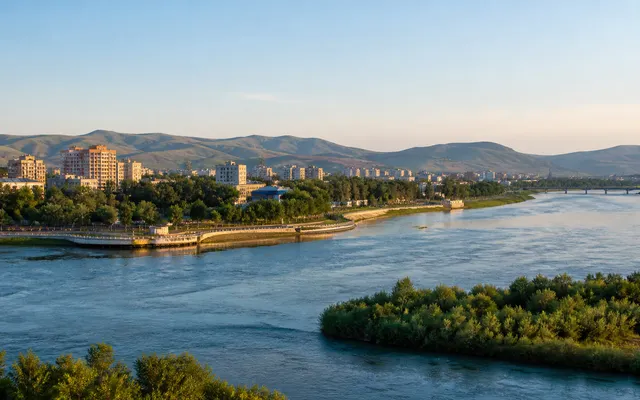
Plan Oskemen around the Irtysh, Ulba and active museums, while treating Katon-Karagai and the East Altai as a separate confirmed journey.
Plan the Next Step
travel
Kazakhstan Tourist Attractions: Choose the Right First-Trip Route
Compare Kazakhstan tourist attractions by base and logistics: Almaty nature, Turkestan heritage, Mangystau, Astana, Baikonur, and more.
food
Beshbarmak Recipe: How Kazakh Et Is Served
A source-checked guide to Kazakh et, widely called beshbarmak: what is on the platter, a practical home recipe, regional differences, and guest etiquette.
culture
Women in Kazakhstan: Rights, Work and Daily Life in 2026
Source-checked guide to women in Kazakhstan: current legal rights, dated work and wage data, marriage statistics, safety, and respectful language.
travel
Things to Do in Kazakhstan: 13 Places Worth Your Time
Choose the best things to do in Kazakhstan by trip length: Almaty, Charyn, Kolsai, Astana, Turkestan, Tamgaly, Altyn-Emel, food, and Nauryz.
travel
12 Best Day Trips from Almaty: Complete Guide 2026
Best Almaty day trips — Charyn Canyon, Big Almaty Lake, Kolsai Lakes, Tamgaly petroglyphs, Altyn-Emel. Distances, costs, and how to get there.
travel
Shymkent Travel Guide: City Sights, Food & Day Trips
Plan a Shymkent visit with reliable city clusters, food choices, Turkestan and Sayram options, live transport checks, and heat-aware itineraries.

Travel Writer & Local Expert · Almaty, Kazakhstan
Tugelbay Konabayev is a Kazakhstan-based travel writer who has lived in Almaty for 7+ years and Astana for 4+ years. He grew up in Aktobe, Kazakhstan and has covered Kazakh travel, food, culture, and visa policy with first-hand reporting since 2023.