Kazakhstan People: Who Lives Here and What They're Like
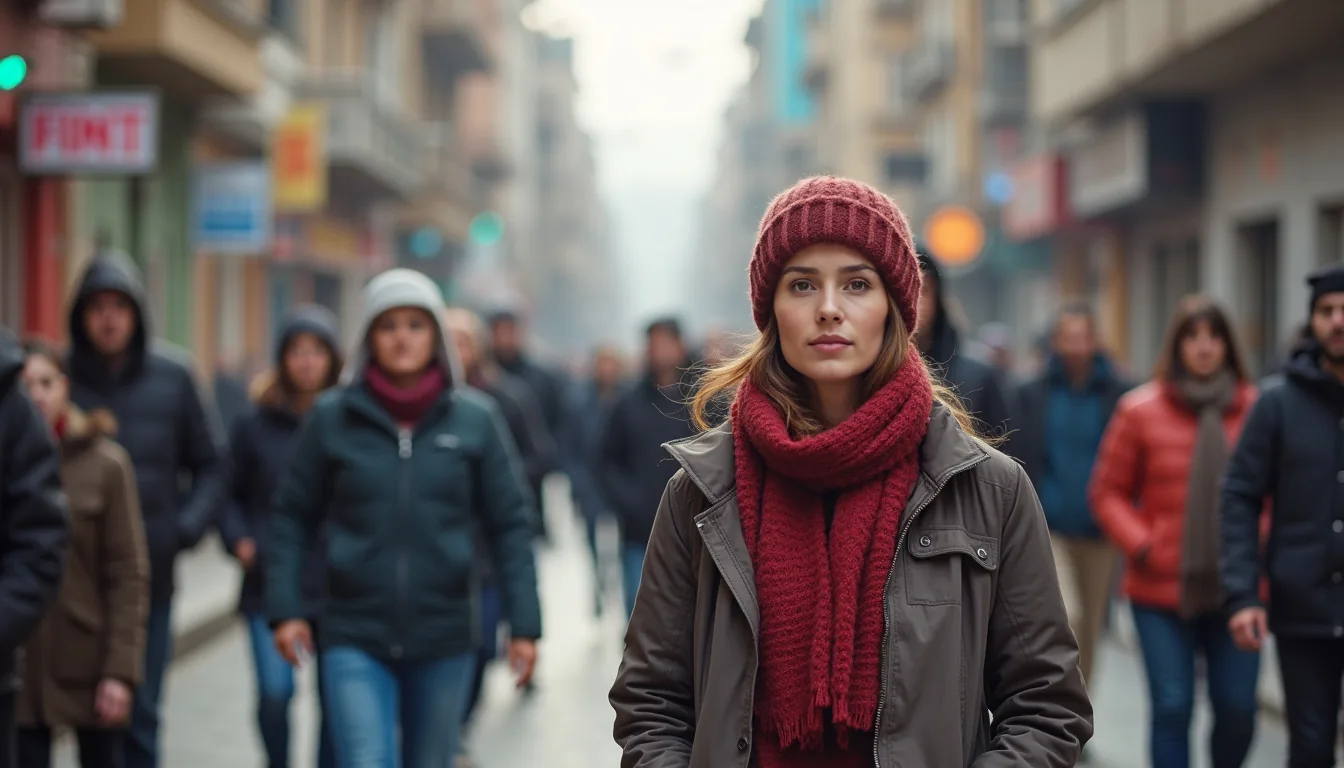
I grew up in Aktobe, western Kazakhstan. My neighbors were Kazakh, Russian, Korean, Tatar, and German - all born in the same city, all speaking the same mix of Kazakh and Russian at the bazaar. That mix is not unusual here. According to the Bureau of National Statistics of Kazakhstan, the country is home to over 20 million people from more than 130 ethnic groups. If you visit, the diversity of faces on any Almaty street will surprise you.
Let me explain who the people of Kazakhstan actually are - not the Wikipedia version, but what you would notice if you stepped off a plane in Almaty tomorrow.
Ethnic Kazakhs: The Majority
About 70% of Kazakhstan’s population are ethnic Kazakhs - a Turkic people whose ancestors roamed the Central Asian steppe on horseback for centuries. According to the 2024 National Census, that is roughly 14.2 million people.
Here is what makes Kazakhs distinct:
The juz system. Every Kazakh belongs to one of three juz (hordes), and within that, a specific ru (clan). When two Kazakhs meet for the first time, someone will eventually ask “Senin ruyng qanday?” - “What is your clan?” This is not small talk. It places you in a web of kinship that stretches back centuries.
| Juz | Region | Historical role | Modern presence |
|---|---|---|---|
| Uly Juz (Great) | South, Almaty region | Senior lineage, aristocracy | Political and business elite |
| Orta Juz (Middle) | Central and east | Scholars, administrators, judges | Intellectual and academic circles |
| Kishi Juz (Small) | West (Aktobe, Atyrau, Mangystau) | Military leadership, warriors | Oil industry, strong regional identity |
I am from the Kishi Juz. My grandfather could trace our lineage back seven generations without pausing - that is the standard expectation. According to Kazakh tradition, every person should know their ancestry at least seven generations deep (zheti ata).
Nomadic DNA. Until Stalin’s forced collectivization in the 1930s, most Kazakhs were pastoral nomads. According to research published by the Cambridge University Press, the collectivization campaign killed an estimated 1.5 million Kazakhs through famine - roughly 40% of the ethnic Kazakh population at the time. This trauma reshaped the entire nation’s demographics and is still discussed in families today.
The nomadic past left deep marks on modern Kazakh culture: the importance of hospitality, reverence for horses, the centrality of meat in the diet, and the yurt as a national symbol that appears on our flag.
The 130+ Other Ethnic Groups
Walk through any city in Kazakhstan and you will see faces that could be from Seoul, Moscow, Frankfurt, or Istanbul. That is because of one of the largest forced population transfers in modern history.
How Kazakhstan became a multi-ethnic country:
According to the Memorial Human Rights Center archives, Stalin deported entire ethnic groups to the Kazakh steppe between 1936 and 1949:
- Koreans (Koryo-saram) from the Soviet Far East in 1937 - about 172,000 people
- Germans (Russlanddeutsche) from the Volga region in 1941 - over 400,000
- Chechens and Ingush from the Caucasus in 1944 - about 500,000
- Crimean Tatars, Meskhetian Turks, Greeks, Poles - tens of thousands each
Then in the 1950s-60s, Khrushchev’s Virgin Lands Campaign brought hundreds of thousands of Russian and Ukrainian settlers to northern Kazakhstan to farm the steppe.
According to the 2024 census, the current breakdown:
| Ethnicity | % | Approximate number |
|---|---|---|
| Kazakh | 70.4% | 14.2 million |
| Russian | 15.2% | 3.1 million |
| Uzbek | 3.3% | 670,000 |
| Ukrainian | 1.5% | 300,000 |
| Uyghur | 1.5% | 290,000 |
| Tatar | 1.1% | 220,000 |
| German | 0.9% | 180,000 |
| Korean | 0.6% | 110,000 |
| Others (100+ groups) | 5.5% | 1.1 million |
What this looks like in practice: In my school class of 30 kids in Aktobe, we had Kazakhs, Russians, Tatars, a Korean family, and two kids whose grandparents were deported Germans. Nobody thought this was unusual. It was just Kazakhstan.
What Do Kazakhstan People Look Like?
This question gets 260 monthly searches on Google, so let me answer it directly.
There is no single “look.” The range is enormous:
- Ethnic Kazakhs have Central Asian Turkic features. Most have dark hair and brown eyes. Some look distinctly East Asian (similar to Mongolians or Koreans), others could pass for Turkish or Iranian. My own family ranges from “people assume I’m Korean” to “people assume I’m Uzbek.” According to genetic studies published in the journal Human Genetics, Kazakhs carry a mix of East Eurasian and West Eurasian ancestry, with the proportions varying by region and juz.
- Ethnic Russians look like Russians anywhere - European features, lighter coloring.
- Koryo-saram (ethnic Koreans) look Korean. After 90 years in Kazakhstan, the community maintains its appearance while the language has shifted to Russian and Kazakh.
- Dungan people are ethnically Chinese Muslims who have lived here since the 19th century.
If you walk down Almaty’s Abai Avenue on a Saturday afternoon, you will see all of these faces mixed together, speaking Russian to each other, dressed in the same global fashion brands you would find in any European city.
Language: The Bilingual Reality
Kazakhstan has two official languages, and the situation on the ground is more complicated than any textbook will tell you.
Kazakh (Qazaq tili) is the state language - a Turkic language related to Kyrgyz and Uzbek. According to the 2024 census, about 80% of the population can speak it.
Russian is the “language of interethnic communication” - essentially the working language of business, media, and urban life. According to the same census, about 94% of the population speaks Russian.
What this means practically:
- In Almaty and Astana, most daily conversation happens in Russian
- In southern Kazakhstan (Shymkent and surrounding areas), Kazakh dominates
- In western Kazakhstan (Aktobe, Atyrau), it is mixed but leaning Kazakh
- Young educated Kazakhs increasingly speak three languages: Kazakh, Russian, and English
- The government is pushing Kazakh language adoption and transitioning the Kazakh alphabet from Cyrillic to Latin script
If you visit as a tourist, Russian will get you further in cities. In rural areas, basic Kazakh phrases earn enormous goodwill.
Kazakh Hospitality: Not Just a Cliche
Every article about Kazakhstan mentions hospitality. I will tell you why it deserves the emphasis.
The concept is called qonaqasy - literally “guest’s share.” According to Kazakh tradition, refusing to feed a guest is considered a curse on your household. This comes from nomadic survival: on the open steppe, a traveler who was turned away could die.
What this looks like today:
- If you are invited to a Kazakh home, you will be fed until you physically cannot eat more. The dastarkhan (feast table) will be loaded before you sit down.
- In formal settings, the most honored guest receives the bas (sheep’s head) - it is an honor, not a test.
- Even uninvited visitors receive tea and bread at minimum. I have seen my grandmother prepare a full meal for someone who stopped by to ask for directions.
- In rural areas, this hospitality extends to complete strangers. Travelers in the steppe are still taken in and fed without question.
According to a 2023 survey by the Kazakh Tourism Board, hospitality was rated the #1 positive experience by foreign visitors to Kazakhstan, ahead of nature and food.
Religion: Muslim, But Not What You Might Expect
According to the Pew Research Center, approximately 70% of Kazakhstan’s population identifies as Muslim, predominantly Sunni of the Hanafi school. About 20% are Russian Orthodox Christian.
But if you are imagining conservative Islamic society, reset that expectation:
- Alcohol: Widely consumed. Beer is the most popular drink. Vodka at celebrations. Kazakhstan has its own wine industry.
- Hijab: The vast majority of Kazakh women do not wear head coverings. You will see more hijab in Istanbul than in Almaty.
- Prayer: Mosque attendance is lower than in neighboring Uzbekistan. Friday prayers are observed by some, but daily prayer is not the norm.
- Pre-Islamic traditions: Nauryz (spring equinox) is the biggest holiday. Visiting sacred sites (aulie) and tying ribbons to trees are common practices with shamanistic roots.
- Pork: Ethnic Kazakhs generally avoid pork. Ethnic Russians eat it freely. Both are available in supermarkets and restaurants.
The best way to describe it: Kazakh Islam is cultural identity first, religious practice second. According to a 2022 Gallup survey, Kazakhstan ranks among the least religious Muslim-majority countries in the world.
Food: What Kazakhstan People Actually Eat
The national dish is beshbarmak - boiled meat over flat noodles, eaten with your hands from a communal plate. But daily eating is more varied:
Everyday meals:
- Breakfast: tea with bread, cheese, butter, maybe kasha (porridge) or eggs
- Lunch: soup (shorpa, lagman), plov (rice pilaf), or samsa (meat pastry)
- Dinner: meat-heavy. Beef, lamb, horse meat. Always with bread.
- Snacks: baursak (fried dough), kurt (dried yogurt balls), fruit
Special occasions:
- Beshbarmak for honoring guests
- Kumis (fermented mare’s milk) in summer
- Kazy (horse meat sausage) for celebrations
- Manty (steamed dumplings) for family gatherings
According to the FAO, Kazakhstan has one of the highest per-capita meat consumption rates in Central Asia. If you are vegetarian, you can survive in cities (especially Almaty), but in rural areas, expect concerned looks when you decline the lamb.
Modern Life: What Wikipedia Doesn’t Tell You
Urban Kazakhs in 2026 are plugged in. According to the World Bank, Kazakhstan has 85% internet penetration. Young people in Almaty and Astana are on Instagram, TikTok, Telegram, and increasingly on Western platforms.
Dating and relationships: Young Kazakhs use dating apps. Interethnic couples are common in cities. Traditional expectations still exist - especially pressure on women to marry by their mid-20s in conservative families - but urban culture is shifting fast.
Music and entertainment: Dimash Kudaibergen is the most famous Kazakh globally, but locally the music scene includes Kazakh rap (Scriptonite from Almaty is huge), pop, and a growing electronic music scene. Almaty nightlife rivals any European mid-size city.
Education: According to UNESCO, Kazakhstan has a 99.8% literacy rate. University enrollment is high, and the Bolashak scholarship program has sent over 13,000 Kazakhstanis to study at top universities worldwide (Harvard, MIT, Oxford, Cambridge).
Cars and driving: Almaty traffic is notoriously bad. Toyota is king - the Camry and Land Cruiser dominate the roads. According to the Committee on Statistics, there are over 4 million registered vehicles in Kazakhstan.
What Are People From Kazakhstan Called?
This confusion comes up constantly:
- Kazakhstani = any citizen of Kazakhstan, regardless of ethnicity
- Kazakh = ethnic Kazakh specifically
All ethnic Kazakhs are Kazakhstani, but not all Kazakhstanis are ethnic Kazakh. An ethnic Russian born in Astana is Kazakhstani but not Kazakh. The distinction matters locally and people appreciate when foreigners use it correctly.
Are Kazakhstan People Friendly to Tourists?
Short answer: yes, genuinely.
According to the 2024 Global Peace Index, Kazakhstan ranks 70th globally - safer than France, the UK, and the United States. Violent crime against tourists is extremely rare.
Beyond safety, the cultural instinct toward hospitality means:
- People will go out of their way to help you with directions
- Taxi drivers may refuse to charge you if you are clearly a confused foreigner
- Invitations to meals from strangers are real and sincere
- Staring may happen in rural areas (curiosity, not hostility)
The biggest risk for visitors is not danger but over-hospitality: you may gain 5 kg in a two-week trip from all the food people insist on feeding you.
Practical Tips for Meeting Kazakh People
- Learn “Salam” and “Rakhmet” - hello and thank you in Kazakh. People light up when foreigners try.
- Accept tea. Always. Refusing tea is like refusing a handshake in the West.
- Remove shoes when entering a home. Always.
- Older people first. Age is deeply respected. Greet elders first, give them the best seat, pour their tea first.
- Gift-giving. If invited to a home, bring sweets or chocolate. Never show up empty-handed.
- Photos. Ask before photographing people. Most will happily agree and possibly invite you for tea afterward.
Frequently Asked Questions
- What ethnicity are people from Kazakhstan?
- According to the 2024 census, about 70% are ethnic Kazakhs (a Turkic people), 15% ethnic Russians, and the remaining 15% includes Uzbeks, Ukrainians, Uyghurs, Tatars, Germans, Koreans, and 100+ other groups. This diversity results from Soviet-era deportations and settlement campaigns.
- Are Kazakhstan people Asian or European?
- Ethnic Kazakhs are a Central Asian Turkic people with both East Asian and West Eurasian genetic ancestry, according to studies in the journal Human Genetics. Kazakhstan itself spans both continents. The culture blends nomadic Central Asian, Russian, and Islamic influences.
- What language do people in Kazakhstan speak?
- According to the 2024 census, 80% speak Kazakh and 94% speak Russian. Cities like Almaty and Astana are primarily Russian-speaking in daily life. Southern and western regions lean more Kazakh. Young urban Kazakhs increasingly speak English as a third language.
- What are people from Kazakhstan called?
- All citizens are Kazakhstani regardless of ethnicity. Ethnic Kazakhs specifically are called Kazakh. The distinction matters locally. An ethnic Russian citizen of Kazakhstan is Kazakhstani but not Kazakh.
- Are Kazakhstan people friendly?
- According to the Kazakh Tourism Board's 2023 survey, hospitality was rated the number one positive experience by foreign visitors. The nomadic tradition of qonaqasy (guest hospitality) remains strong. Visitors are commonly invited to meals and helped with directions by strangers.
- What religion are Kazakhstan people?
- According to Pew Research Center data, about 70% identify as Muslim (Sunni Hanafi) and 20% as Russian Orthodox Christian. Kazakh Islam is notably moderate. Most women do not wear hijab, alcohol is widely consumed, and pre-Islamic traditions like Nauryz coexist with Islamic practice.
More Stories
facts
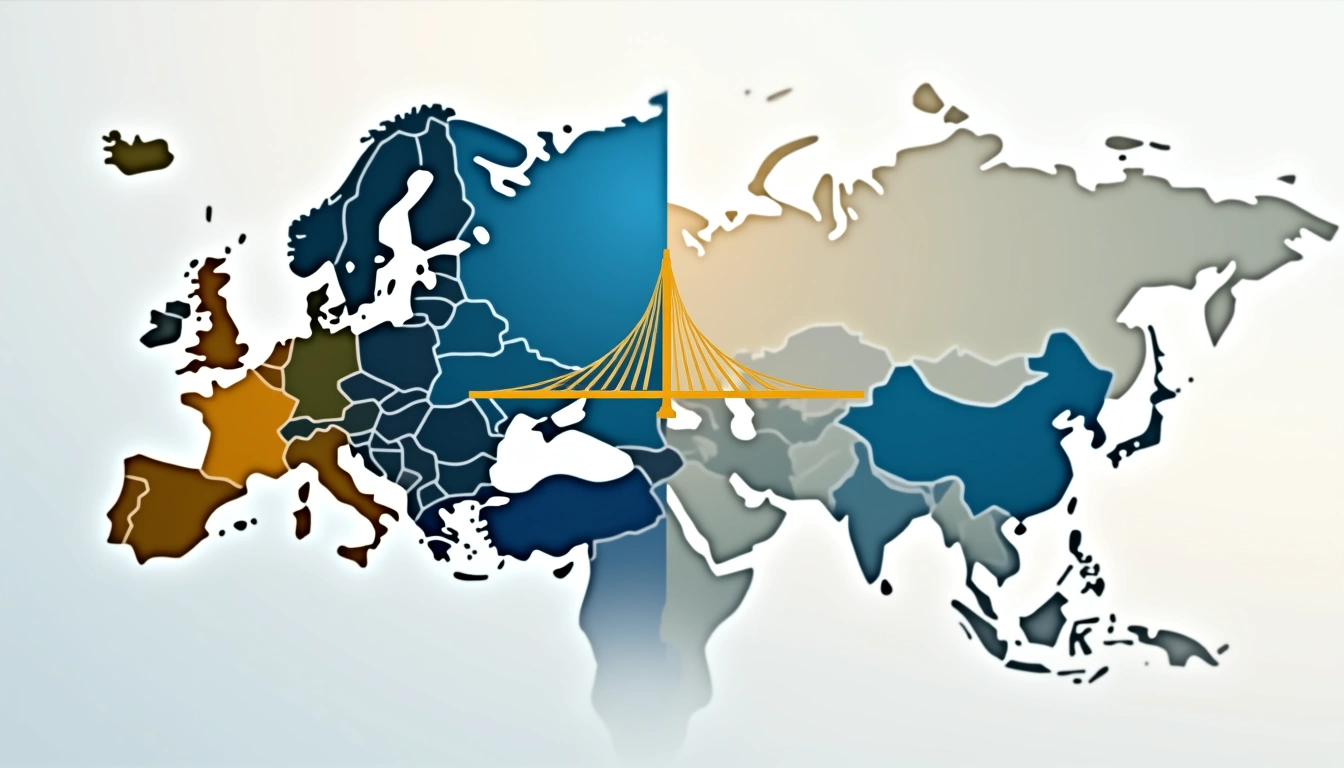
Is Kazakhstan in Europe or Asia? The Definitive Answer
Is Kazakhstan in Europe? No — it's in Central Asia. A tiny western sliver crosses into Europe geographically, but 95%+ of the country is in Asia.
facts
Interesting Facts About Kazakhstan: 25+ Surprising Truths
Interesting facts about Kazakhstan — the largest landlocked nation, Baikonur space launches, origin of the apple, and 25+ surprising truths.
facts
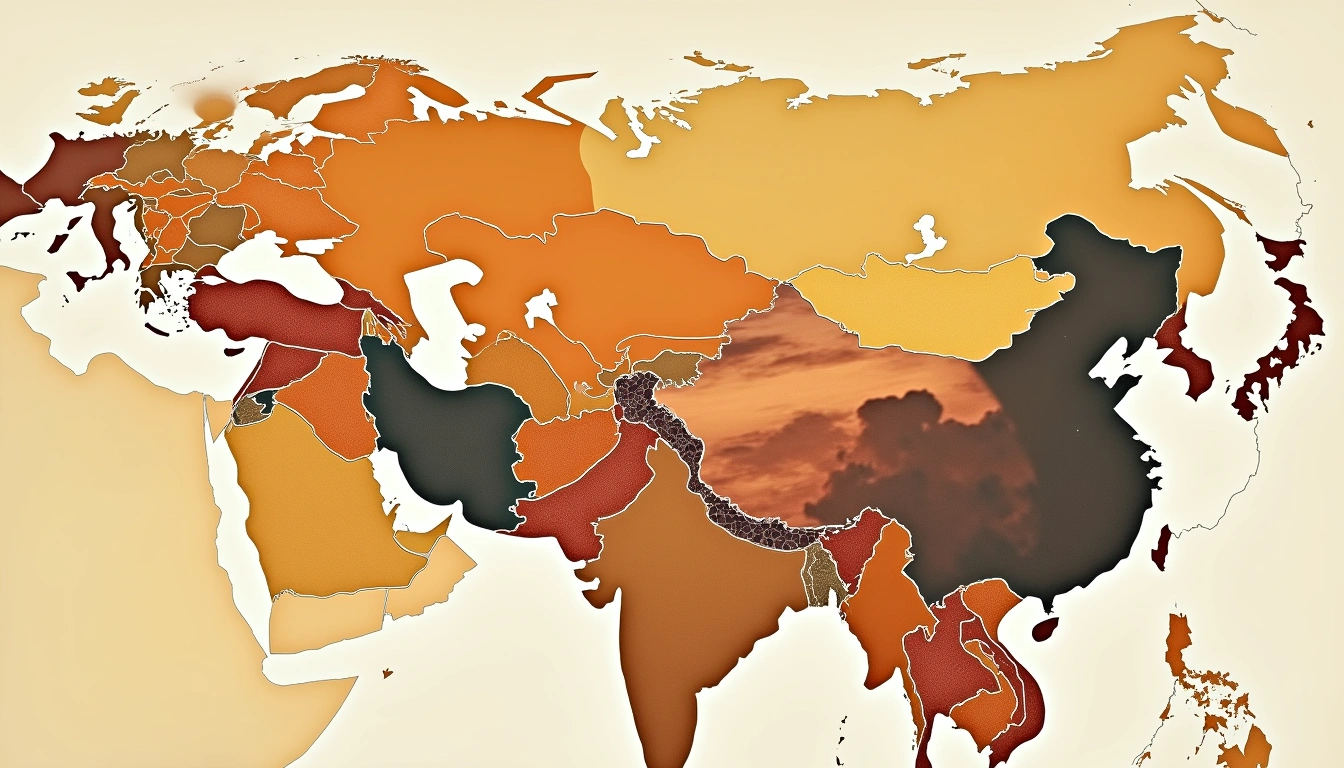
Countries Ending in Stan: All 7 Explained
Countries ending in stan: all 7 nations explained — Kazakhstan to Pakistan. Population, GDP, area, maps and a detailed side-by-side comparison table.