Zharkent, Kazakhstan: Mosque Museum and Visit Guide
Reported from the ground: Tugelbay Konabayev is a Kazakh native (born in Aktobe) who has lived 7 years in Almaty and 4 in Astana. About the author.
In this article4 sections
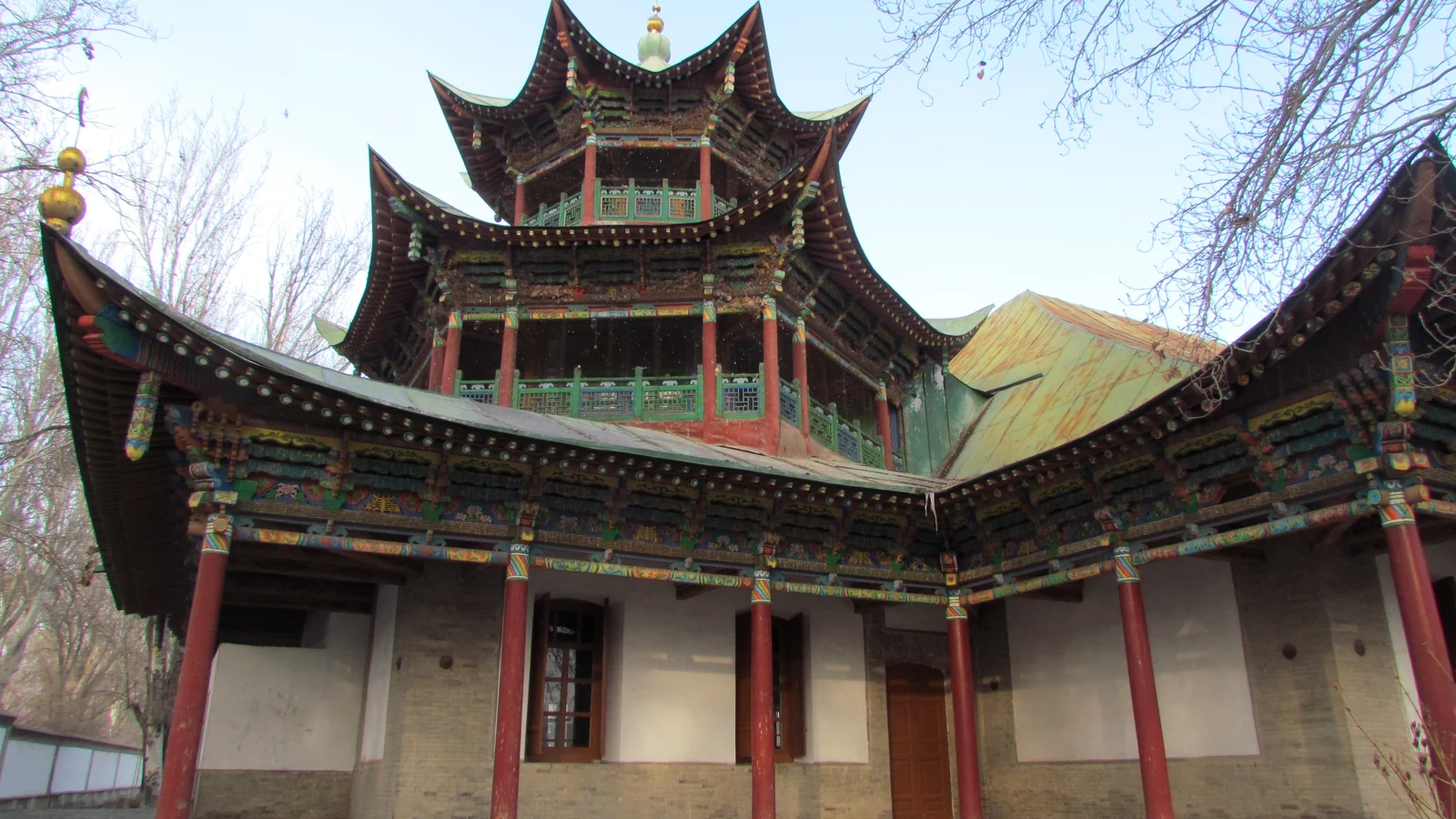
Zharkent’s strongest reason to stop is its historic mosque museum. It is a distinctive late nineteenth-century building with woodwork and painted detail, set in a living town in Zhetysu Region. Plan the visit around the museum’s actual opening time, then decide whether the road journey makes sense in your wider itinerary.
Cover: Zharkent Mosque, photographed by Yakov Fedorov, CC BY-SA 3.0. Cropped and contrast adjusted for this page; derivative shared under the same license.

| If you have… | Focus on | Avoid |
|---|---|---|
| A short stop | Mosque museum and a meal in town | Assuming an unverified attraction is within walking distance |
| Half a day | Museum interior, exterior detail and local context | Arriving after the museum closes |
| An overnight | A relaxed town stop before onward travel | Treating remote regional sights as town-centre stops |
Map names: Жаркент (Zharkent), «Жаркентская мечеть» / «Жаркент мешіті». Confirm that the result is the architecture and art museum, not an unrelated modern mosque.
Why the mosque museum matters
The historic mosque is a museum of architecture, art and local history. The visit is worthwhile for its timber construction and exhibits as well as its exterior.
Kazinform’s Kazakh-language museum history says merchant Valiakhun Yuldashev funded the complex and Chinese master Hon Pik led construction in 1887–1892. An official government monument page also describes Hon Pik and the architectural blend, but gives different construction-stage dates. We therefore describe the whole project as late nineteenth century rather than declaring one uncontested completion year.
Kazinform describes interlocking wooden joints assembled without nails, painted ornament, a large prayer hall and a portal with exhibition rooms. It says the building served other uses in the Soviet period before opening as an architecture and art museum in 1978. The story is visible in the building itself; it is more than an exterior photo stop.
The same local history describes a complex rather than a single hall: a main gate, a smaller mosque for daily prayer, madrasa rooms, the large Friday hall and an enclosure with smaller gates. It reports 122 wooden columns in the main hall and says its original doors, windows and minbar surrounds survived. Treat those as the source’s historical architectural details; a current guided visit may cover fewer rooms. The combination of religious use, teaching spaces and decorative work explains why the site deserves more time than a photograph from the street.
What the museum contains
Kazinform describes four exhibition sections. Its architecture section covers the building model, history and restoration; the prayer hall displays decorative woodwork, inscriptions and a minbar. The portal section includes architectural models and jewellery, while a crafts section presents objects associated with Kazakh and Dungan daily life. This is a source-described collection, not a guarantee that every room or object will be accessible on your date. Ask museum staff about current exhibitions and photography rules.
Look for the distinction between the building and the objects displayed inside it. The carved timber joints and painted motifs are part of the historic fabric. Models and restoration panels explain how the complex was built and preserved. The crafts collection adds context about communities in the region, including household objects and clothing described by Kazinform. If time is limited, ask staff to point out the main prayer hall and one explanatory exhibition instead of rushing every display. This makes the short stop useful even for a visitor who cannot read every label.
Plan the stop
Plan around a confirmed museum session and your next overnight base. Search Жаркент мешіті or Жаркентская мечеть, then check that the map result is the historic museum.
Check the museum’s latest hours and whether the interior is open before committing to a detour. Leave time to look closely at the portal, roofline, timber joints and exhibitions. Add a meal and supplies in town before onward travel.
Zharkent works best when you are already travelling through Zhetysu Region. Compare the actual road journey from your previous and next overnight base; no current transport schedule was established for this article. Our cities in Kazakhstan guide helps decide whether this smaller-city stop fits your route. For a wider cultural comparison, see Kazakhstan culture.
If you also plan Altyn-Emel National Park, arrange its entry and road separately from the museum visit.
Sources checked
- Kazinform: Zharkent Mosque Museum history in Kazakh
- Kazakhstan government monument page: Zharkent Mosque
- Kazhydromet: current forecast
Frequently Asked Questions
What is Zharkent known for?
Its best documented visitor landmark is the historic Zharkent Mosque, now an architecture and art museum.
Is Zharkent Mosque still a museum?
The local sources checked describe it as a museum. Confirm current hours, exhibits and access with the operator before travelling.
How long should I spend in Zharkent?
Allow at least a relaxed museum visit and a meal. The longer decision is whether the road journey fits your route through Zhetysu Region.
Last reviewed: September 2026. Museum access and transport schedules can change.
Google Preferred Sources
See more Kazakhstan stories in Google
Add About Kazakhstan as a preferred source to find more of our fresh, relevant stories in Google Search.
More Stories
travel
Aral Sea, Kazakhstan: North Aral and Aralsk Travel Guide
Understand the North Aral recovery, what you can see from Aralsk, and how to plan a trip without confusing the former shore with today's sea.
travel
Kyzylorda, Kazakhstan: City Stop and Regional Trip Base
Plan a stop in Kyzylorda on the Syr Darya, then decide which regional sights merit a separate trip. Baikonur access and museum checks explained.
travel
Taraz, Kazakhstan: A Practical Silk Road City Guide
Plan Taraz around the Ancient Taraz site, Karahan Mausoleum, Aisha Bibi and Akyrtas. A realistic one- or two-day route with transport checks and local sources.
travel
Karaganda, Kazakhstan: City Guide & Dolinka Planning
Plan a thoughtful Karaganda visit around the modern city, industrial history, live logistics and a separate respectful trip to the Karlag museum.
Plan the Next Step
travel
Kazakhstan Tourist Attractions: Choose the Right First-Trip Route
Compare Kazakhstan tourist attractions by base and logistics: Almaty nature, Turkestan heritage, Mangystau, Astana, Baikonur, and more.
food
Beshbarmak Recipe: How Kazakh Et Is Served
A source-checked guide to Kazakh et, widely called beshbarmak: what is on the platter, a practical home recipe, regional differences, and guest etiquette.
food
Popular Food in Kazakhstan: 15 Foods and Drinks to Try
Popular food in Kazakhstan explained: 15 Kazakh dishes and drinks, what each contains, how meals are served, and what to ask before ordering.
travel
Things to Do in Kazakhstan: 13 Places Worth Your Time
Choose the best things to do in Kazakhstan by trip length: Almaty, Charyn, Kolsai, Astana, Turkestan, Tamgaly, Altyn-Emel, food, and Nauryz.
travel
12 Best Day Trips from Almaty: Complete Guide 2026
Best Almaty day trips — Charyn Canyon, Big Almaty Lake, Kolsai Lakes, Tamgaly petroglyphs, Altyn-Emel. Distances, costs, and how to get there.
travel
Kazakhstan Travel Cost Index 2026: Prices in 20 Cities
Compare official 2026 hotel, bus, cinema, fuel and grocery prices across 20 Kazakhstan cities. Use the city comparison tool and download the CSV/JSON dataset.

Travel Writer & Local Expert · Almaty, Kazakhstan
Tugelbay Konabayev is a Kazakhstan-based travel writer who has lived in Almaty for 7+ years and Astana for 4+ years. He grew up in Aktobe, Kazakhstan and has covered Kazakh travel, food, culture, and visa policy with first-hand reporting since 2023.